Bathroom upgrades often begin with a visible choice, like a matte-black faucet or a wider showerhead. Yet the products behind the wall can matter just as much. This guide explores bathroom plumbing options worth comparing in 2026, from thermostatic shower valves and efficient toilets to leak sensors, shutoff devices, and dependable faucets. The best fit depends on water pressure, existing pipe connections, household routines, and the space available for installation.
A useful comparison looks beyond sleek finishes and app controls. Check flow rates, replacement-part availability, warranty terms, and compatibility with your current system. A compact leak sensor beneath a vanity may offer practical protection, while a smart valve can be unnecessary in a simple setup. Small details matter. Product specifications can also be confusing, and a model that looks ideal online may not suit a cramped cabinet or older plumbing. That is worth admitting before recommending anything as “top.” For complex replacements, confirm requirements with a qualified plumbing professional and follow the product maker’s installation guidance. The sections ahead will weigh performance, maintenance, water use, and everyday convenience, helping readers narrow their choices without treating one feature as a universal solution.
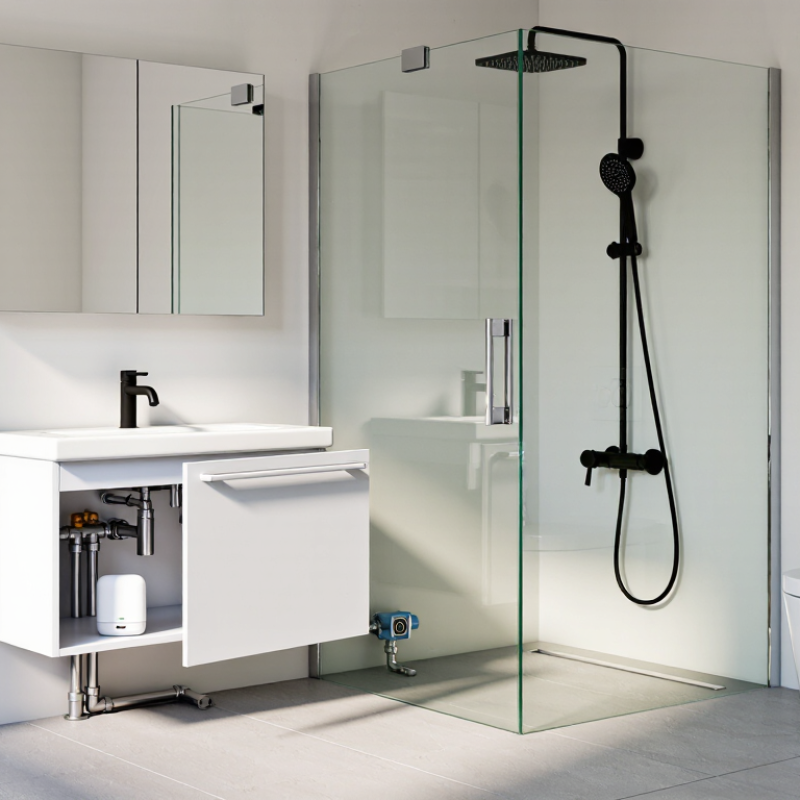
In 2026, a reliable bathroom starts with products that control water safely and predictably. A dual-flush or WaterSense-labeled toilet can reduce waste without changing daily routines. The U.S. EPA reports that toilets account for nearly 30% of typical indoor household water use. Its WaterSense criteria require labeled toilets to use 1.28 gallons per flush or less, at least 20% less than the federal 1.6-gallon standard. Check drain compatibility before replacing an older unit; a high-efficiency model still needs proper installation.
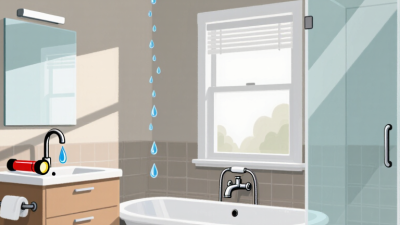
For showers, a WaterSense-labeled head uses no more than 2.0 gallons per minute while meeting performance requirements. The EPA says this is at least 20% less water than the federal 2.5-gallon-per-minute limit. Pair it with a pressure-balancing or thermostatic mixing valve, which helps reduce sudden temperature swings when another fixture runs. Small parts matter. A leak-detection sensor near the toilet or vanity can flag water on the floor early. The EPA estimates household leaks waste nearly 10,000 gallons annually on average, though actual losses vary. Sensors are not a substitute for inspecting shutoff valves, seals, and supply hoses. A quick check can be easy to postpone.
Smart toilets and bidet seats add washing, drying, and comfort features to everyday bathroom routines. Common options include adjustable water temperature, spray pressure, and nozzle position. Heated seats and night lights can make early mornings and late visits more comfortable. Some units also offer automatic flushing or self-cleaning functions, though performance varies by model.
A bidet can rinse with water after toilet use, reducing reliance on toilet paper for some people. The spray should feel gentle, not forceful; users should follow the product instructions and stop if irritation occurs. Warm water matters. So does control. Simple buttons and clear settings are often easier to use than a crowded touchscreen, especially for guests or older household members.
Before buying, measure the toilet area and check the existing water connection, outlet location, and available clearance. A smart seat may need a nearby grounded electrical outlet, while a full smart toilet can require more involved installation. Ask a qualified plumber if the connections are uncertain. One small annoyance: settings may reset after a power outage, and drying can take longer than expected. More features do not always make a better fit. Compare cleaning access, accessible controls, and replacement-part availability for your household’s needs.
In 2026, useful bathroom upgrades are less about extra features and more about controlling water comfortably. A well-designed faucet pairs a clear temperature handle with an aerator that keeps the stream steady and reduces splashing. That small detail can also limit unnecessary flow during handwashing. Touch-free operation is convenient, but accessible manual controls matter if the sensor or power source fails. Simple matters.
Shower systems benefit from pressure-balancing or thermostatic valves, which help limit sudden temperature swings when another fixture runs. Separate temperature and flow controls make adjustments more predictable, especially with wet hands. Low-flow showerheads can reduce water use, though comfort depends on household pressure, pipe condition, and spray design. Check the rated flow and ask a qualified plumber to confirm compatibility before buying. Numbers alone do not describe the feel. An integrated diverter can reduce clutter, but repairs may be harder if the valve sits behind tile. That trade-off deserves thought: efficiency matters, but an uncomfortable shower may encourage longer use.
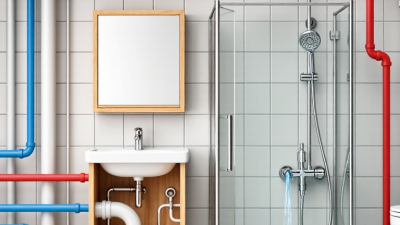
For 2026, durable bathroom plumbing starts behind the tile. Pipes should match local water conditions, pressure, and installation requirements; a premium material cannot compensate for poor joints. In older homes, check for corrosion, staining, and damp cabinet floors before choosing replacements. Small clues matter. The Water Research Foundation’s Residential End Uses of Water, Version 2 reports that toilets account for about 24% of indoor household water use, while showers account for about 20%. Reliable valves and well-fitted drain connections can help prevent waste and reduce the risk of hidden leaks. The U.S. Environmental Protection Agency estimates household leaks waste nearly 10,000 gallons of water annually on average. Still, a leak figure does not reveal where the problem is; inspection does.
Water heaters deserve equal attention. The U.S. Department of Energy estimates that water heating makes up about 18% of a home’s energy use, so recovery speed and insulation affect everyday costs. ENERGY STAR says certified heat pump water heaters can use up to 70% less energy than standard electric resistance models. Performance depends on sizing, room temperature, and household demand. Not every efficient unit fits every bathroom or utility space. Check access for maintenance, drain routing, and temperature stability before installation. A quiet drain today is reassuring, but it is not proof of a sound system. Regular checks still matter.
Choosing top bathroom plumbing products in 2026 depends more on fit than novelty. Compare faucets by water flow, handle comfort, and how easily you can clean around the base. For showers, check valve compatibility and whether the controls allow steady temperature adjustment. Toilets deserve a close look at flush performance, bowl shape, and replacement-part availability. Small details matter. Measure existing connections and clearances before ordering; a sleek fixture may not suit an older layout.
Tips: Take photos under the sink and behind the toilet. Note pipe sizes, mounting holes, and available space. Confirm product specifications with a qualified installer when compatibility is unclear.
Look for clear maintenance instructions, accessible service parts, and warranty terms that explain what is covered. Finishes can look impressive in a showroom, but water spots and cleaning habits matter at home. It is easy to overvalue appearance and overlook repair access; that is a bias worth catching. Compare total installation costs, not just the shelf price, since adapting plumbing can add time and expense. A product with fewer features may be the better choice if it is comfortable, reliable, and straightforward to maintain. Don’t assume the newest option is automatically the most practical.
Compare these commonly used bathroom plumbing products by function, typical specifications, installation needs, and maintenance considerations. Select products that fit your existing connections and comply with local plumbing requirements.
| Product | Common Options | Useful Comparison Points | Advantages | Check Before Buying | Suitable For |
|---|---|---|---|---|---|
| Bathroom Faucet | Single-hole, centerset, widespread, and wall-mounted styles | Spout reach and height; mounting-hole layout; handle type; flow rate. WaterSense-labeled bathroom sink faucets are certified to use no more than 1.5 gallons per minute at 60 psi. | Water-efficient models can reduce faucet water use while meeting performance criteria. Single-handle models offer convenient temperature adjustment. | Measure the sink or countertop holes, faucet reach, and clearance. Confirm whether the drain assembly and supply lines are included. | New vanities, faucet replacements, and water-saving upgrades |
| Showerhead | Fixed, handheld, rain-style, and combination units | Flow rate, spray settings, hose length for handheld models, and connection type. WaterSense-labeled showerheads are certified to use no more than 2.0 gallons per minute at 80 psi. | Multiple spray patterns can suit different users; handheld designs can make rinsing and cleaning easier. | Check the shower arm connection, available water pressure, head clearance, and whether a handheld hose or mounting bracket is included. | Shower upgrades, accessibility needs, and water-efficiency improvements |
| Shower Valve and Trim | Pressure-balancing, thermostatic, and transfer or diverter configurations | Valve type; number of outlets controlled; cartridge availability; compatibility between the rough-in valve and trim. | Pressure-balancing valves help limit sudden temperature changes caused by pressure fluctuations. Thermostatic valves control temperature separately from flow. | Identify the existing valve before choosing trim. Valve bodies and trim are not universally interchangeable; verify approved installation and anti-scald requirements. | Shower renovations, multi-outlet showers, and replacement of worn controls |
| Toilet | Two-piece, one-piece, wall-hung, and elongated or round-bowl models | Flush volume, rough-in distance, bowl shape, overall dimensions, trapway design, and seat height. WaterSense-labeled tank-type toilets use 1.28 gallons per flush or less and meet performance criteria. | Efficient models use less water per flush than many older toilets. Two-piece units are often easier to handle during installation; one-piece designs have fewer exterior joints. | Measure from the finished wall to the floor drain center; check doorway and side clearance, water-supply location, and whether the seat is included. | Bathroom replacements, remodels, and water-use reductions |
| Bathroom Sink and Drain Assembly | Drop-in, undermount, vessel, and integrated sinks; pop-up or grid drains | Basin dimensions and depth; faucet-hole arrangement; drain opening size; overflow compatibility; material and cleaning requirements. | Many styles can be matched to different vanity layouts. A compatible drain helps provide a reliable connection and, where designed, overflow protection. | Confirm countertop cutout, drain location, faucet configuration, and whether the sink has an overflow before selecting the drain assembly. | Vanity installations and sink replacements |
| P-Trap and Sink Drain Piping | PVC, ABS, or metal assemblies, depending on local practice and installation | Pipe diameter, outlet direction, material compatibility, available adjustment, and access for cleaning. | The water seal in a correctly installed trap helps block sewer gases from entering the room. Removable connections can simplify maintenance. | Match the trap to the sink tailpiece and wall connection. Follow local code for trap configuration, venting, and permitted materials. | Sink installation, drain repairs, and replacement of corroded or leaking fittings |
| Toilet Fill Valve and Flush Parts | Adjustable fill valves, flappers, canister seals, and flush valves | Compatibility with the toilet model; refill adjustment; seal material; replacement-part availability; ease of access. | Replacing worn internal parts can address running, slow-filling, or leaking tank symptoms without replacing the entire toilet. | Check the tank model or existing part dimensions. Set the fill level according to the toilet maker’s instructions and keep the refill tube correctly positioned. | Toilet maintenance and repairs |
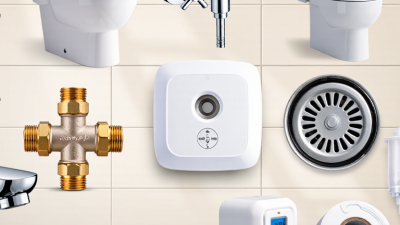
| Water Supply Connectors and Shutoff Valves | Braided flexible connectors and rigid tubing; quarter-turn or multi-turn shutoff valves | Connection sizes and thread types; connector length; valve access; material suitability; pressure and temperature ratings. | Accessible shutoff valves make fixture servicing easier. Correctly sized connectors help simplify faucet and toilet installation. | Confirm the fixture inlet and stop-valve outlet connections before purchase. Do not kink connectors, and replace damaged or leaking parts promptly. | Fixture installation, supply-line replacement, and routine repairs |
Selection note: Specifications shown are general comparison guidance, not a substitute for product instructions or local code. Actual dimensions, flow rates, connections, and installation requirements vary by model and jurisdiction. Check current certification listings where applicable.