Buying a home involves more than checking paint, flooring, and kitchen appliances. The bathroom can quietly reveal expensive problems behind finished walls. Weak water pressure, slow drains, loose toilets, and stained ceilings may signal deeper trouble. These details deserve careful attention before you make an offer.
Richard Trethewey, a longtime plumbing expert with This Old House, often emphasizes a practical rule: “Know where the water shutoff is before you need it.” That advice matters during a leaking supply line or overflowing toilet. Find the main shutoff, test each fixture, and listen for constant running water. A flashlight can expose damp cabinet corners, corroded valves, and swollen flooring. Your nose can help, too. Musty smells sometimes point toward hidden moisture.
This guide, “10 Bathroom Plumbing Tips Every Buyer Should Know,” focuses on observations that buyers can make during a viewing. It also explains when a licensed plumber should investigate further. Ask for repair records and recent inspection reports. Check whether upgrades appear professionally installed and permitted under local requirements. Do not assume fresh caulk means a healthy bathroom. It may only cover a problem temporarily.
No inspection catches everything. Even careful buyers miss small warning signs when a house feels exciting. I have learned that rushing makes ordinary defects easier to overlook. A dripping faucet may seem minor, but several small issues can reveal neglected maintenance. Use these tips as a practical starting point, not a guarantee. A qualified professional can provide the clearest answer before closing.
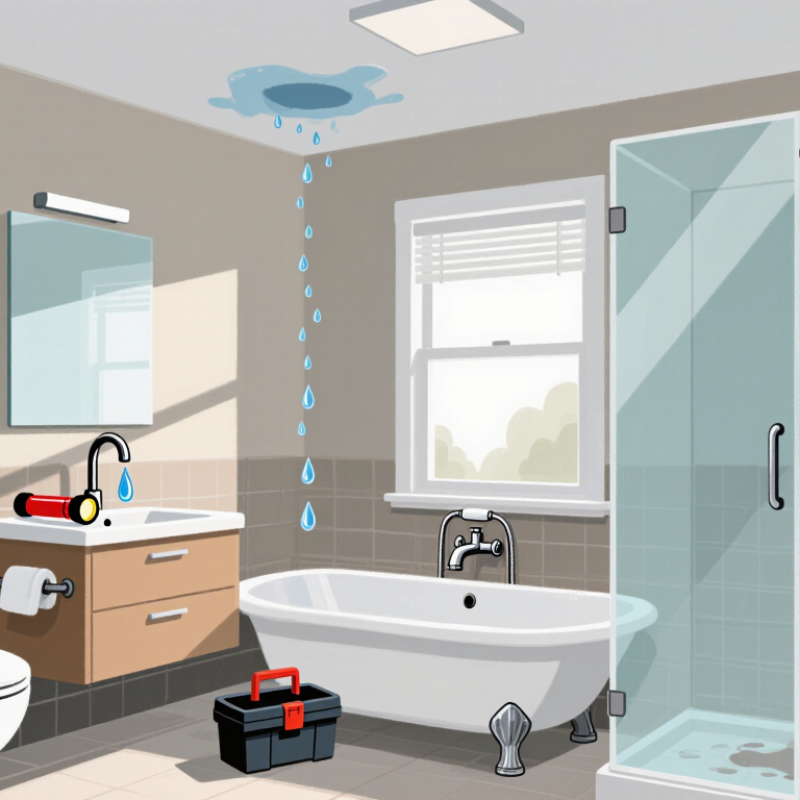
A bathroom can look spotless while hiding weak water flow or a failing drain. During a viewing, turn on the basin, shower, and tub together. Watch whether the flow drops sharply. Then flush the toilet and listen for pipe vibration. Listen carefully.
Check every visible shutoff valve for rust, staining, or fresh replacement marks. Feel beneath the basin trap for moisture, even if the cabinet looks dry. A musty smell near the vanity may indicate a slow leak inside the wall.
I once found a small ceiling stain below a bathroom that had been painted the day before. It looked harmless, but the drain connection was loose.
Drainage deserves equal attention. Fill the basin halfway, release it, and observe how quickly the water disappears. Slow drainage can suggest buildup, poor pipe sizing, or an incorrect slope. In the shower, water should move toward the drain without forming a shallow pool.
Ask where the main soil stack and cleanout are located. Their positions affect future repair access and renovation costs. Shared walls deserve extra care because hidden pipes may serve another bathroom.
A licensed plumbing inspection can confirm pipe materials, pressure, venting, and concealed moisture. Still, an inspection is not magic; limited access can leave uncertainty. Request repair records, compare them with visible conditions, and budget for defects that cannot be verified.
10 Bathroom Plumbing Tips Every Buyer Should Know
Inspect every visible pipe under the sink for moisture, corrosion, or greenish stains. Run both faucets and watch the joints while water flows. Check the shutoff valves for rust, stiffness, or missing handles. A valve that will not turn can become a serious repair problem. Look closely at the drain trap, especially its threaded connections. Drops often collect there first.
Flush the toilet and listen for continuous hissing afterward. Gurgling may suggest poor drainage or a hidden blockage. Press gently around the toilet base for movement, but do not force it. Any wobble deserves professional inspection. Examine the shower hose, tub overflow, and exposed supply lines for cracks. Open cabinets and smell for damp wood or mold-like odors. Odor matters.
If possible, inspect the ceiling below the bathroom for brown marks or soft plaster. Ask when the pipes and valves were last replaced, and request maintenance records. A fresh coat of paint can hide earlier damage, though it does not prove a problem. I once overlooked a slow trap leak because the cabinet floor looked dry. That mistake changed my inspection habits. Use a flashlight, take photographs, and test fixtures at different times. Low water pressure may be normal, but it can also point to buildup or restricted lines. When access is limited, arrange an inspection by a qualified plumbing professional before committing to the purchase.
| No. | Inspection Area | What to Check | Typical Condition to Expect | Warning Signs | Priority |
|---|---|---|---|---|---|
| 1 | Supply Pipes | Look under sinks, behind access panels, and around the toilet for corrosion, moisture, mineral deposits, and unsupported pipe sections. | Pipes should be dry, firmly supported, and free from active corrosion or visible damage. | Green or white deposits, rust, damp cabinets, staining, or bulging flexible connectors. | High |
| 2 | Shutoff Valves | Turn each accessible hot- and cold-water shutoff valve slowly, without forcing it, and check whether it stops the flow completely. | Valves should operate smoothly and remain dry when open or closed. | A seized handle, dripping stem, corrosion, or a valve that does not stop the water. | High |
| 3 | Drain Traps | Inspect the trap beneath each sink for leaks, cracks, loose slip nuts, improper alignment, and signs of repeated repairs. | The trap should be securely connected, properly aligned, and dry after the sink drains. | Standing water outside the trap, active drips, sewer odor, or makeshift joints. | High |
| 4 | Toilet Base and Supply | Flush the toilet, observe the base and supply connection, and check whether the bowl moves when gently tested. | The toilet should flush properly, remain stable, and leave the floor dry. | Rocking, water around the base, a persistent running sound, or a loose supply connection. | High |
| 5 | Faucets and Connections | Run hot and cold water, inspect the faucet base, supply lines, aerator, and connections below the fixture. | Water should flow steadily, temperature controls should respond, and connections should remain dry. | Drips, weak flow, discolored water, loose handles, or moisture around the faucet base. | Medium |
| 6 | Shower and Tub Drain | Run water for several minutes and observe the drainage speed, overflow area, exposed joints, and nearby wall or floor surfaces. | Water should drain without pooling, backing up, or leaking into adjacent areas. | Slow drainage, gurgling, sewage odor, soft flooring, or staining near the tub or shower. | High |
| 7 | Visible Wall and Floor Damage | Check drywall, trim, flooring, cabinets, and ceilings below bathrooms for discoloration, swelling, mold-like growth, or repaired surfaces. | Surfaces should be firm, dry, and free from unexplained water marks. | Fresh paint patches, warped materials, peeling finishes, musty odors, or recurring stains. | High |
| 8 | Water Pressure and Temperature | Test multiple fixtures at the same time and verify that hot water arrives consistently without sudden pressure changes. | Fixtures should provide usable, consistent flow under normal household demand. | Major pressure loss, unstable temperature, water hammer, or delayed hot water with unusual noises. | Medium |
| 9 | Pipe Materials and Modifications | Identify accessible pipe materials and look for incompatible fittings, excessive patching, unsupported runs, or nonstandard alterations. | Connections should be neat, supported, accessible, and appropriate for the plumbing system. | Improvised adapters, cracked plastic, severe corrosion, sagging pipes, or concealed access problems. | Medium |
| 10 | Inspection Records and Follow-Up | Ask about previous leaks, repairs, water damage, permits where applicable, and the age of major plumbing components. | The seller should be able to provide clear maintenance information and explain known issues. | Missing records, repeated repairs, unresolved leaks, or answers that conflict with visible conditions. | Medium |
Buyer note: A visual inspection can identify common warning signs but does not replace a licensed plumbing inspection, especially when leaks, concealed piping, drainage problems, or water damage are suspected.
A bathroom can look spotless and still hide costly plumbing faults. Test it like a working system, not a showroom. Open the shower, basin, and tub taps together. Watch whether the stream weakens sharply or becomes uneven. The U.S. Environmental Protection Agency’s WaterSense program identifies 40–60 psi as a common residential pressure range. Many codes limit supply pressure to 80 psi. Ask for a pressure-gauge test at an outdoor hose connection. Very low readings may suggest restrictions. Excessive pressure can strain valves and joints.
Run each basin for two minutes, then release the water. A healthy drain should form a steady vortex and clear without gurgling, bubbling, or rising water. Test the tub with its stopper installed. Drainage time has no universal pass-or-fail standard. Pipe size, trap design, and venting affect results. That limitation matters. Still, slow drainage deserves professional inspection, especially in older buildings. The 2016 Water Research Foundation report Residential End Uses of Water, Version 2, found toilets, showers, and faucets represented about 24%, 20%, and 19% of indoor water use.
Flush toilets several times while another tap runs. Check refill noise, bowl movement, base leaks, and moisture under the tank. One successful flush proves little. WaterSense specifications limit qualifying toilets to 1.28 gallons per flush and showerheads to 2.0 gallons per minute. Compare performance with those figures, but do not sacrifice clearing power. Place dry tissue beneath supply connections for ten minutes. Any damp mark matters. Buyers often miss this. Request repair records and a plumbing inspection before closing.
A bathroom can look spotless while hiding expensive plumbing problems. Before buying, run every tap and let the water flow for several minutes. Watch the joints beneath each sink. Drips often appear slowly, not dramatically. Flush the toilet and check the floor around its base. Soft flooring, dark grout, or a musty smell may signal moisture damage. I have found that fresh paint near a pipe deserves closer attention, because it can conceal an older repair.
Tip: Open the cabinet doors. Feel the wood, corners, and supply lines for dampness. Use a flashlight around the toilet, shower, and bathtub edges. Look for black, green, or orange marks. Mold suggests persistent moisture, while corrosion can weaken metal connections. Check whether bathroom fans work and whether they vent effectively. Steam collecting on mirrors and walls points to poor airflow. That problem is easy to overlook.
Do not rely only on a quick visual inspection. A moisture meter can detect damp areas behind walls or under flooring, although readings need professional interpretation. Ask when the pipes and fixtures were installed, and request records for previous repairs. A licensed plumber should inspect hidden lines before the purchase becomes final. I once underestimated a faint ceiling stain; it later revealed a slow leak from the bathroom above. That mistake was costly. A careful inspection is cheaper than replacing damaged flooring, framing, and contaminated materials.
Check for leaks, moisture damage, mold, corrosion, and hidden plumbing problems before buying a home.
The chart shows estimated annual water loss based on published U.S. Environmental Protection Agency WaterSense figures. A faucet leaking at 10 gallons per day equals approximately 3,650 gallons per year, while a leaking toilet can waste up to 200 gallons per day, or approximately 73,000 gallons per year.
Source: U.S. Environmental Protection Agency WaterSense guidance on household leaks.
A bright bathroom can still hide expensive plumbing faults. Check shutoff valves, flexible supply lines, trap joints, toilet stability, and visible corrosion. Flush every toilet and run each tap for two minutes. Watch the meter after all fixtures stop. Movement may indicate a hidden leak. Inspect caulking around the tub, drain speed, water pressure, and the water heater’s discharge pipe. A sewer camera inspection may also reveal root intrusion or damaged lines.
Cost estimates should separate emergency work from planned upgrades. The Insurance Information Institute reported that water damage and freezing represented about 24% of homeowners’ claims from 2017 to 2021. Its average claim exceeded $12,000. A slow leak deserves attention. EPA guidance also notes that household leaks can waste more than 9,000 gallons of water annually. Ask contractors for written estimates covering labor, access, materials, permits, and wall repairs. The cheapest quote may exclude the hardest part.
Request invoices, inspection records, and permits for remodeled bathrooms. Confirm that replacement work matches local plumbing, electrical, ventilation, and backflow requirements. Requirements vary by location, so do not trust casual assurances. Ask whether drain sizes, venting, shutoff access, and water heater installation were approved. An unpermitted shower may need costly correction after closing. No inspection is perfect. I would keep a repair reserve, even when the bathroom looks recently renovated. A small stain beneath the vanity can change the entire budget.