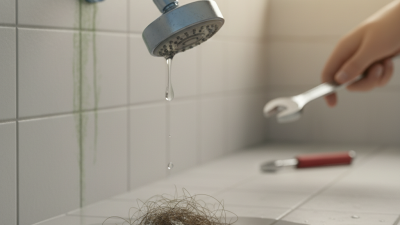
What Is Bathroom Plumbing and How Does It Work?

Bathroom plumbing is the hidden system that delivers clean water, removes wastewater, and protects indoor comfort. It includes supply pipes, drains, traps, vents, valves, faucets, toilets, showers, and water heaters. Each part has a specific role, yet they must work together. A slow drain may involve buildup, poor venting, or a deeper pipe problem.

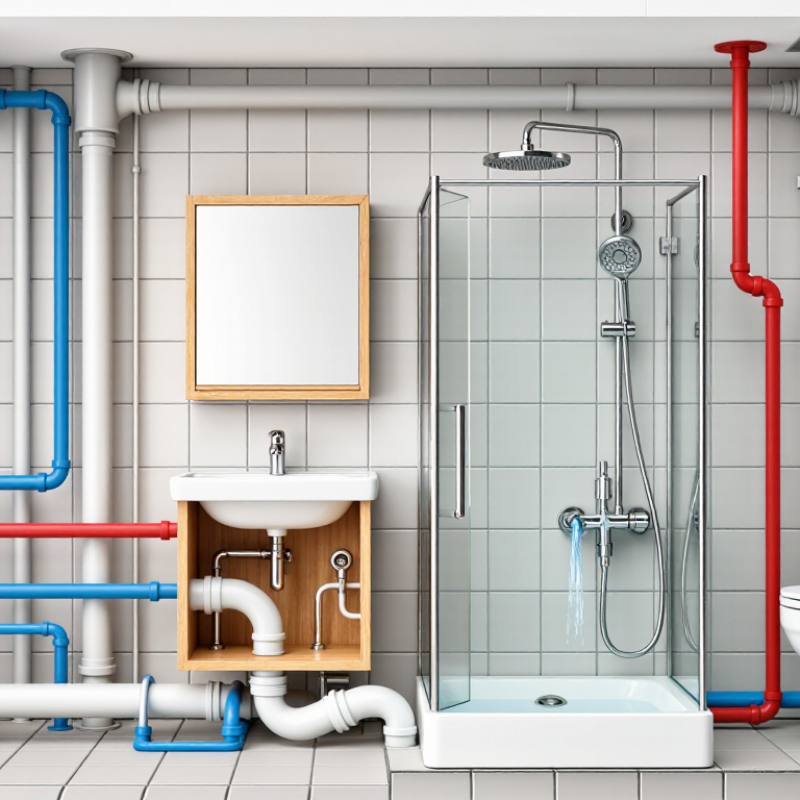
When you turn on a shower, pressurized water travels through supply lines and reaches the valve. The valve controls temperature and flow. Used water moves through the drain, passes through a trap, and continues toward the main drainage system. The trap holds a small amount of water. That water blocks unpleasant sewer gases from entering the room. Vent pipes help balance air pressure, allowing wastewater to flow more smoothly.

A practical understanding of bathroom plumbing helps homeowners notice trouble early. Look for damp cabinet floors, loose toilet movement, stained ceilings, or a quiet dripping sound at night. Small clues matter. Still, this system is not always easy to judge. A harmless-looking stain may hide a leaking connection, while a noisy pipe may need only better support. That explanation is incomplete.

Qualified plumbers use pressure tests, drain cameras, moisture meters, and local plumbing standards when diagnosing complex faults. Homeowners can safely inspect visible fittings, clean accessible strainers, and check shutoff valves. They should avoid forcing corroded parts or opening concealed pipework without guidance. Reliable maintenance is less about quick fixes and more about understanding how bathroom plumbing behaves over time.
What Is Bathroom Plumbing and How Does It Work?

What Bathroom Plumbing Includes and Why It Matters

What Is Bathroom Plumbing and How Does It Work?

Bathroom plumbing includes three connected systems: water supply, drainage, and venting. Supply pipes deliver hot and cold water to the basin, shower, toilet, and bidet. Drainage pipes carry wastewater away through traps and branch lines. Vent pipes balance air pressure, helping water flow without bubbling or sewer odors.

A practical inspection begins beneath the fixtures. Look for shutoff valves, flexible connectors, P-traps, cleanouts, and moisture around cabinet floors. The Water Research Foundation’s Residential End Uses of Water study found that toilets used about 24% of indoor household water. Showers accounted for roughly 20%, while faucets used about 19%. These figures show why fixture condition matters, not just appearance.

Leaks deserve attention.

The U.S. Environmental Protection Agency reports that household leaks can waste more than 10,000 gallons yearly. Nationwide, leaks may waste over one trillion gallons annually. A loose toilet seal can quietly stain flooring or damage a ceiling below. A slow drain may reflect hair, grease, poor slope, or a developing blockage. Yet not every wet mark proves a pipe has failed. Condensation can mislead an inexperienced inspection. That uncertainty matters, and it is where measured testing becomes more reliable than guessing. Proper bathroom plumbing protects water quality, structural materials, indoor comfort, and everyday hygiene.

What Is Bathroom Plumbing and How Does It Work?

Bathroom plumbing connects fixtures to hot and cold water supply lines and carries wastewater through a drain-and-vent system. The chart shows typical water use for common bathroom activities.

Estimates are based on common residential fixture flow rates: a 1.5 gallons-per-minute bathroom faucet, a 2.5 gallons-per-minute showerhead, an 8-minute shower, a 20-second handwashing cycle, and a 1.28-gallon high-efficiency toilet flush. Actual usage varies by fixture, water pressure, and user behavior.

How Water Enters and Moves Through a Bathroom

Bathroom plumbing is a connected system that brings clean water in and carries wastewater away. Water usually enters through a main supply pipe, then reaches smaller lines inside the walls. Shutoff valves control the flow near the toilet, sink, and other fixtures.

Hot and cold water travel separately to each faucet or shower valve. When you open a handle, pressure pushes water through the selected outlet. Used water falls into a drain, passes through a curved trap, and continues into the larger waste pipe. The trap holds a small amount of water. This barrier helps block sewer gases from entering the room. Vent pipes balance air pressure, so drains flow with less gurgling. A bathroom may look simple, but hidden pipe connections can be surprisingly complex.

Tips: Check for slow drainage, damp cabinet floors, or stains around the toilet base. These clues may appear before a visible leak. Do not overtighten plastic fittings; that can cause damage. Keep access to shutoff valves clear. If a drain smells bad after the trap dries, run water for a few seconds. A small mistake in a repair can worsen quietly inside a wall. For uncertain leaks, a licensed plumbing professional can test pressure, inspect connections, and identify the real source instead of guessing.

How Fixtures Control Water Flow and Drainage

What Is Bathroom Plumbing and How Does It Work?

Bathroom plumbing is a coordinated system of supply pipes, fixtures, traps, and drains. A fixture is the user’s control point. Supply pipes bring pressurized water to the sink, shower, and toilet. A shutoff valve under the sink can stop water during repairs. Turn it clockwise slowly. The faucet handle moves an internal cartridge or valve. This part blends hot and cold water, then controls the outlet flow.

A toilet uses a fill valve, flush valve, and tank float. Pressing the handle lifts the flush valve and releases water into the bowl. The bowl’s shape directs waste through the trapway. Afterward, the fill valve restores the tank level. A sink uses a drain stopper to hold or release water. Beneath it, the curved P-trap keeps a small amount of water inside. That water barrier helps block sewer gases from entering the room.

Drainage depends on gravity, pipe slope, and proper venting. Vent pipes balance air pressure when water moves through the drain. Without enough air, the sink may drain slowly or make a hollow gurgling sound. During a practical inspection, check joints under the basin for dampness, stains, or a musty smell. A small leak can remain hidden for weeks. It is easy to blame a clogged drain, yet that assumption can be wrong. A loose washer, blocked vent, or damaged trap may create similar symptoms. Fixture behavior often reveals the real problem before the pipe is opened.

How Traps, Vents, and Pipes Prevent Plumbing Problems

Bathroom plumbing works through a quiet balance of water, air, and gravity. The trap beneath a sink or shower holds a small water seal. That seal blocks sewer gases from entering the room. A vent then admits air behind flowing water, reducing pressure changes inside the drain. Without proper venting, a toilet may gurgle, a sink may drain slowly, or the trap may lose its seal. It is easy to blame a clog. That assumption is sometimes wrong.

Drain pipes need consistent slopes and secure joints. Too little slope leaves soap, hair, and sediment behind. Excessive slope can let water outrun solid waste. Cleanouts give plumbers access when blockages develop deep inside the system.

The Water Research Foundation’s Residential End Uses of Water, Version 2, reports that toilets use about 24% of indoor household water, while faucets use about 19%. These fixtures place repeated stress on traps, valves, and drain connections. The U.S. Environmental Protection Agency estimates household leaks can waste nearly 10,000 gallons annually. A dripping faucet is small, but the meter records every drop.

During an inspection, run the shower and flush the toilet together. Listen for bubbling. Check for sewer odors near floor drains. Look beneath cabinets for swollen wood or a faint water line. A trap can look clean and still be incorrectly installed. Plumbing codes provide minimum requirements, yet real homes often contain aging alterations. Professional testing, correct vent sizing, and careful joint inspection remain more reliable than guessing from slow drainage alone.

Common Bathroom Plumbing Issues and Basic Solutions

Bathroom plumbing is a small water network hidden behind walls and beneath the floor. Supply pipes deliver hot and cold water to the sink, shower, and toilet. Drainpipes carry used water through traps, while vents balance air pressure and reduce sewer odors. If one part fails, symptoms often appear elsewhere.

Leaks are the most common warning. The U.S. Environmental Protection Agency reports that household leaks can waste nearly 10,000 gallons of water annually. Check the toilet tank, shutoff valves, and flexible connectors with a dry tissue. A running toilet may need a new flapper or adjusted float. Do not overtighten fittings; damaged threads can create a worse leak. The 2016 Residential End Uses of Water Study found toilets use about 24% of indoor household water, while showers use about 20%.

Slow drains usually come from hair, soap, or sediment. Remove the stopper and clean the opening before using a plunger. Chemical drain cleaners may harm older pipes, so mechanical cleaning is often safer. Low water pressure can indicate a blocked aerator or partially closed valve. Persistent pressure loss needs professional testing. A wrench is not a diagnosis. Even careful repairs deserve a second inspection, because a dry cabinet today may hide moisture behind the wall tomorrow.

What Is Bathroom Plumbing and How Does It Work? — Common Bathroom Plumbing Issues and Basic Solutions
Plumbing Area or Issue What It Does or How It Works Common Signs Likely Causes Basic Solution Typical Urgency
Water Supply Pipes Carry pressurized hot and cold water from the main supply to faucets, showers, toilets, and other bathroom fixtures. Reduced flow, damp walls, water stains, or visible dripping around pipe joints. Corrosion, loose connections, damaged seals, freezing, or excessive water pressure. Turn off the local shutoff valve, dry the area, tighten accessible connections carefully, and replace worn washers or fittings when appropriate. Moderate
Drain-Waste-Vent System Moves used water into the drain system while vent pipes balance air pressure and help sewer gases leave safely through the roof. Slow drainage, gurgling sounds, recurring odors, or multiple fixtures draining slowly. Hair, soap residue, mineral buildup, blocked vents, or a larger drain obstruction. Clean the fixture strainer, use a plunger, and remove accessible debris. Repeated or widespread problems may require professional drain inspection. Moderate
Faucet Drip A faucet uses valves, cartridges, or compression parts to control the flow and temperature of water. Water continues dripping after the handle is closed or the handle feels loose. Worn cartridge, washer, O-ring, valve seat, or mineral deposits. Close the supply valves, remove the handle, clean deposits, and replace the matching cartridge, washer, or O-ring. Low
Low Water Pressure Water pressure determines how strongly water flows from showerheads and faucets. Weak flow from one fixture or throughout the bathroom. Clogged aerator or showerhead, partially closed valve, supply-line restriction, or a pressure problem affecting the building. Confirm that shutoff valves are fully open, clean the aerator or showerhead, and compare flow at other fixtures to help locate the problem. Low
Clogged Sink Drain The sink drain carries wastewater through the trap and into the branch drain pipe. Water drains slowly, stands in the basin, or produces an unpleasant odor. Hair, toothpaste, soap scum, shaving residue, or buildup inside the trap. Remove and clean the stopper, plunge the drain with a small amount of water in the basin, or clean the trap after placing a bucket underneath. Low
Clogged Shower or Tub Drain Collects and removes wastewater while a strainer helps keep large debris from entering the pipe. Standing water, slow drainage, or a musty smell near the drain. Hair and soap buildup are the most common causes. Remove the strainer and pull out visible hair with a drain tool. Use a plunger if needed, and avoid mixing chemical drain cleaners. Low
Running Toilet The tank refills after flushing, and a fill valve and flush valve regulate the water level and release water into the bowl. Water continuously flows into the bowl, the tank refills frequently, or a hissing sound is present. Flapper not sealing, incorrect float level, worn fill valve, or a mineral-damaged flush valve. Check the flapper for damage, adjust the float to the marked water line, and replace the flapper or fill valve if necessary. Low
Toilet Clog A toilet uses a trapway and gravity-assisted flushing to move waste into the drain system. Water rises in the bowl, the toilet flushes weakly, or wastewater drains slowly. Excess toilet paper, unsuitable items, or an obstruction in the trapway or branch drain. Stop the water supply if the bowl is rising, then use a toilet plunger with a flange. Do not keep flushing an overflowing toilet. Moderate
Leaking Toilet Base A watertight seal connects the toilet outlet to the drain flange at the floor. Water appears around the base after flushing, flooring becomes soft, or a sewer odor develops. Failed wax or rubber seal, loose mounting bolts, cracked toilet, or damaged flange. Stop using the toilet if leakage is significant. Dry the area and arrange for the seal and flange to be inspected and replaced as needed. High
Shower Valve or Diverter Mixes hot and cold water and directs flow between the showerhead and tub spout where applicable. Temperature changes unexpectedly, water leaks from the handle, or water flows from the wrong outlet. Worn cartridge, damaged seals, mineral deposits, or a faulty diverter. Clean removable parts and check the manufacturer-specified replacement component. Shut off the water before removing a valve assembly. Moderate
Water Heater Connection Supplies heated water to the bathroom through a hot-water line; temperature is controlled by the heater and fixture valves. No hot water, fluctuating temperature, dripping connections, or water near the heater. Closed supply valve, failed heating component, loose connection, or a leaking relief or drain fitting. Check whether the hot-water supply is open. For leaks, shut off the water and power or fuel source when safe, then seek qualified service. High
Pipe or Supply-Line Leak Flexible supply lines and fixed pipes deliver water to fixtures under pressure. Dripping under the sink, wet cabinetry, bubbling paint, mold growth, or a sudden increase in water use. Loose nut, failed gasket, corroded pipe, damaged hose, or accidental impact. Close the nearest shutoff valve or the main water valve, place a container under the leak, and replace the damaged part or call a plumber. High
Sewer Gas Odor Traps retain water to block sewer gases from entering the bathroom, while the vent system removes gases safely. Persistent rotten-egg odor, especially near an unused drain or toilet. Dry trap, failed toilet seal, blocked vent, or damaged drain connection. Run water into infrequently used fixtures. If the odor persists, ventilate the room and arrange for professional inspection. High
Preventive Maintenance Routine care helps keep supply, drainage, and fixture components working efficiently. Recurring minor clogs, slow flow, loose handles, or early signs of moisture. Hair and debris buildup, neglected seals, hard-water deposits, or excessive force on fixtures. Use drain strainers, clean aerators periodically, inspect exposed connections, avoid flushing unsuitable items, and address small leaks promptly. Low
Safety note: Before repairing a pressurized water line, locate the nearest shutoff valve. For major leaks, sewage backup, suspected hidden pipe damage, gas-related equipment concerns, or electrical hazards near water, stop using the fixture and contact a qualified professional.