The global bathroom renovation market is becoming more design-conscious, water-aware, and specification-driven. Buyers no longer choose a faucet bathroom product only by its finish or retail price. They compare cartridge durability, certification, flow performance, spare-part access, and factory consistency. Grand View Research’s market analysis identifies bathroom faucets as a growing product category, supported by residential construction, hospitality projects, and renovation demand. Its findings also suggest that premium finishes and water-efficient designs are gaining commercial attention.
Water performance is not a minor detail. The U.S. Environmental Protection Agency’s WaterSense specification limits bathroom sink faucets to 1.5 gallons per minute, compared with the older 2.2-gallon standard. That difference can reduce household water use without making the basin feel weak. The EPA also emphasizes third-party certification, an important safeguard for international buyers. Regional labels, including European water-efficiency schemes, may still apply. Check them carefully.
Quality is visible in small moments. A handle should turn smoothly after repeated use. The aerator should not spit unevenly. The mounting plate should sit firmly on a thin countertop. These details matter. They separate a dependable supplier from a polished catalog.
This Top 10 Bathroom Faucet Manufacturers for Global Buyers guide evaluates manufacturers through a practical purchasing lens. It considers production experience, material control, testing, design range, certifications, customization, export capability, and after-sales support. No ranking fits every market perfectly. A hotel developer may value bulk consistency, while a distributor may prioritize packaging and replacement cartridges. The shortlist is therefore a starting point, not a final verdict. Buyers should verify current certificates, factory capacity, warranty terms, and sample performance before placing a large order.
What defines a leading bathroom faucet manufacturer is not production volume alone. It is the ability to deliver consistent performance across different markets, water conditions, and installation habits. Fortune Business Insights valued the global faucets market at USD 20.39 billion in 2023 and projects continued growth through 2032. That expansion increases buyer expectations, not just factory output.
Engineering evidence matters. A dependable manufacturer should provide cartridge-cycle testing, pressure testing, coating checks, and traceable batch records. For the United States, EPA WaterSense criteria limit bathroom sink faucets to 1.5 gallons per minute, while maintaining practical flow performance. Materials also deserve close inspection. Lead-safe components, corrosion-resistant finishes, and clear compliance documents reduce risks during import, installation, and long-term use. Small details matter.
A strong supplier also understands local realities. Hard water can damage aerators. Poor water pressure can expose weak cartridge design. Replacement parts should be available, not merely promised. The best manufacturers communicate tolerances, warranty limits, and test methods openly. That reflects professional maturity.
No factory is flawless. Even respected production systems can produce occasional finish defects or delayed parts. The real measure is the response: fast investigation, honest records, and corrective action. Buyers should request independent test reports, factory audit evidence, and sample units before placing large orders. Sales claims are not enough. Reliable documentation is stronger.
Selecting the top ten requires more than comparing showroom designs. Our review examined factory experience, product testing, export capability, warranty terms, and documented quality systems. We checked technical sheets, installation instructions, and certification records where available. A polished website was never treated as proof.
Water efficiency carried significant weight. The U.S. Environmental Protection Agency’s WaterSense specification limits qualifying bathroom faucets to 1.5 gallons per minute, compared with the older 2.2-gallon standard. Its 2024 Annual Accomplishments Report also reported more than 1 trillion gallons of cumulative water savings from labeled products. For global buyers, we reviewed flow-rate options, aerator performance, replacement parts, and compliance with regional standards such as ASME A112.18.1/CSA B125.1. Small details matter. A loose cartridge can erase a good efficiency claim.
We also assessed production capacity, inspection procedures, material disclosure, and after-sales response. Manufacturers with traceable brass or stainless-steel specifications scored higher than those using vague “premium metal” language. Independent laboratory testing strengthened reliability, especially for leak cycles, salt spray, and coating durability. Some evidence remained incomplete. Public information is not always consistent across regions, and distributor feedback can be uneven. Therefore, the ranking reflects documented performance, not advertising reach or design popularity. That distinction matters when a faucet must serve a hotel bathroom, a residential project, or a replacement market thousands of miles away.
Top 10 Bathroom Faucet Manufacturers for Global Buyers
Profiles of the Top 10 Bathroom Faucet Manufacturers
Global buyers need more than attractive handles and polished finishes. Grand View Research estimated the global faucets market at about USD 19.7 billion in 2023. Its forecast also indicates continued growth through 2030. This trend increases supplier competition. It also makes quality checks more important. Our ten-profile review focuses on factory experience, certification, water efficiency, and export reliability. These factors often reveal more than marketing claims.
The first profile represents a precision-machining specialist with tight cartridge tolerances. The second focuses on ceramic valve durability. The third offers large-scale OEM production. Another profile serves hospitality projects with standardized components. One manufacturer specializes in low-lead brass bodies. A separate producer develops touchless controls and sensor systems. Another profile provides compact models for small bathrooms. One factory stands out for corrosion-resistant finishes. The ninth emphasizes recycled materials and documented testing. The tenth combines flexible customization with smaller minimum orders. These profiles are not equal in every market. A strong factory may still have weak after-sales support.
Tips: Ask for test reports, sample approval records, and warranty terms. EPA WaterSense standards limit bathroom sink faucets to 1.5 gallons per minute. Certified models can reduce water use by at least 30 percent. Check whether the quoted flow rate matches the installed aerator. Review spare-part availability, packaging strength, and inspection procedures. Factory visits help, but they cannot replace independent testing. One overlooked detail can become an expensive complaint.
Flow-rate compliance is a key comparison dimension for international bathroom faucet buyers. The chart presents published maximum-flow benchmarks and rating thresholds used in major markets. Values are shown in litres per minute and are intended for product specification and market-screening purposes rather than company ranking.
References: U.S. federal plumbing standards, WaterSense criteria, California faucet requirements, EU Ecolabel criteria, and Australian WELS rating thresholds.
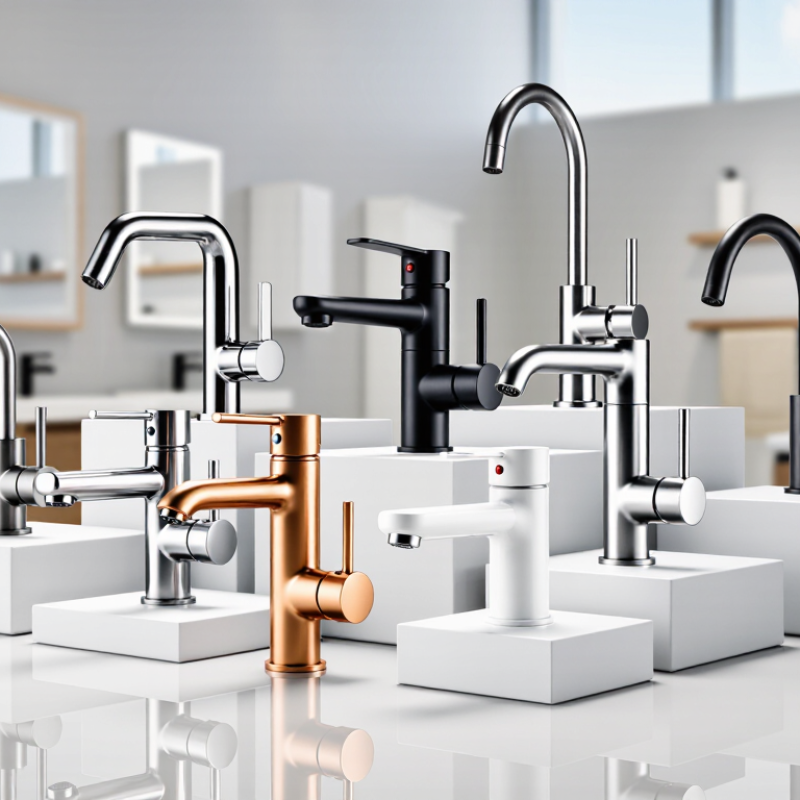
Global buyers should compare the top ten bathroom faucet manufacturers through product range, quality control, and market coverage. A strong supplier offers basin, kitchen, shower, bathtub, and commercial faucet collections. Different finishes matter too, including polished chrome, brushed nickel, matte black, and durable PVD coatings.
Check the details closely. Ceramic cartridges should operate smoothly after repeated use. Solid brass bodies usually provide better strength than lightweight alloys. Stainless steel options can suit humid bathrooms and high-use projects. Ask for flow-rate data, pressure testing, surface-finish tests, and replacement cartridge availability. These details often reveal more than attractive catalog images. Small parts matter.
Global reach requires more than export experience. Reliable manufacturers maintain regional warehouses, multilingual support, stable packaging, and clear warranty procedures. They should understand different water pressures, connection standards, and certification requirements. A supplier serving hotels may offer project pricing and custom finishes, while a household-focused producer may provide broader retail packaging. Both can be useful.
In supplier evaluations, I also inspect installation guides and spare-part response times. Delayed washers can stop an entire maintenance job. No ranking is perfect. A factory may offer excellent quality but limited customization, or wide distribution but inconsistent finish control. I would request samples from several production batches before approving a large order. Even minor color differences can become obvious across a bathroom installation.
A reliable faucet manufacturer must prove more than attractive finishes. Request factory audit records, material specifications, pressure-test results, and production photographs. These details reveal whether quality is controlled or simply advertised. The International Organization for Standardization reports that ISO 9001 focuses on consistent processes and continual improvement. Certification helps, but it is not a complete quality guarantee.
Water performance deserves equal attention. The U.S. Environmental Protection Agency’s WaterSense program limits bathroom faucet flow to 1.5 gallons per minute. Global buyers should compare this benchmark with local water-efficiency rules and testing methods. Ask for flow-rate data at different pressures. A faucet performing well in a showroom may weaken in a high-rise building. Small details matter.
Logistics can quietly damage a good purchase. The World Bank’s 2023 Logistics Performance Index measures customs, infrastructure, shipment quality, tracking, and delivery timeliness. Manufacturers should provide realistic lead times, packaging tests, spare-part plans, and clear warranty procedures. Check whether replacement cartridges can be supplied for several years. Low prices are tempting, but they may reflect thinner metal, weaker plating, or limited support. I would also inspect complaint records, not just certificates. My own checklist can miss human service quality. Speak with previous buyers when possible.