Choosing a bathroom faucet for an international project involves more than comparing prices and finishes. Global buyers must examine water pressure, connection sizes, cartridge quality, and installation conditions. A beautiful faucet can still fail when its inlet does not match local plumbing. Small details matter.
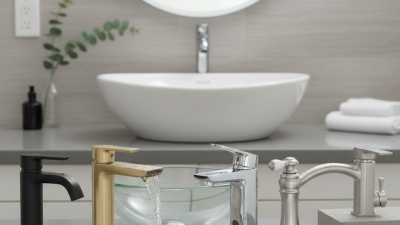
When buyers search for “faucet bathroom,” they often expect a simple product comparison. The real decision is more practical. Consider the sink design, countertop thickness, water-saving performance, and daily usage. A hotel bathroom may need a durable ceramic cartridge and easy-clean surface. A family home may prioritize smooth control and dependable temperature adjustment. Brushed nickel can hide fingerprints, while polished chrome creates a brighter appearance.
Ask for technical drawings, material details, test reports, and clear warranty terms. Confirm whether the product meets the destination market’s applicable plumbing and safety requirements. Experienced suppliers should explain pressure ranges, spare parts, packaging, and installation steps without vague promises. Photos help, but samples reveal more. Feel the handle. Check the threads. Inspect the aerator.
No checklist is perfect.
Buyer experience also matters. A low-cost faucet may become expensive after repeated replacements, shipping delays, or difficult claims. However, the most expensive model is not automatically the best choice. Reliable purchasing requires balanced judgment, documented communication, and realistic expectations. This guide presents ten practical buying tips for global buyers. It also recognizes an uncomfortable truth: product information can be incomplete, and assumptions can cause costly mistakes. Careful verification remains essential before placing a large order.
Choosing a bathroom faucet begins with the sink, not the finish. Check the basin’s number of mounting holes, spacing, and deck thickness. Measure twice.
A single-hole faucet suits many modern basins, while three-hole designs may require separate handles and a matching cover plate. Wall-mounted models need concealed plumbing, precise pipe positioning, and access for future repairs. Do not guess.
Compare the faucet’s connection size with your local water supply, because standards differ between countries and regions. Flexible hoses may simplify installation, but their length still matters beneath a crowded vanity.
Water pressure also affects performance. Low-pressure homes may need a faucet designed for restricted flow, while high-pressure systems require suitable internal components. Ask a qualified plumber to verify pressure before ordering.
Temperature control deserves attention too, especially in homes used by children or older adults. A thermostatic solution can improve safety, but it may need additional space and compatible plumbing.
Consider the daily task. A shallow basin and tall spout can create splashing, while a short spout may not reach the drain area. Check the spout height, reach, swivel range, and clearance beneath cabinets.
Think about cleaning access. Hard-water areas often expose small design flaws quickly. Removable aerators help maintenance, but they are not maintenance-free.
One overlooked detail is service access; a beautiful faucet becomes frustrating when tools cannot reach the fixing nut. Review the installation guide, local plumbing rules, and warranty conditions before purchase.
Choosing a bathroom faucet begins with the sink, not the showroom display. Single-hole faucets suit compact basins and create fewer cleaning gaps. Centerset models fit three-hole sinks with a standard four-inch spread. Widespread faucets need separate holes, wider counter space, and accurate drilling. For vessel sinks, select a taller spout, but check splash direction carefully. A beautiful faucet can still flood the countertop.
Measure the basin’s back edge, drain center, and wall clearance before ordering.
The spout should reach near the drain without striking the bowl. Check the handle path too. A wall-mounted faucet requires a confirmed rough-in depth and strong internal support. Tile thickness can change that calculation.
I once underestimated backsplash clearance; the handle opened only halfway. That small mistake was expensive to correct.
Water use deserves equal attention. The U.S. EPA WaterSense Specification for Faucets allows a maximum flow of 1.5 gallons per minute, compared with the federal standard of 2.2 gallons. That represents up to 32% lower flow, according to EPA guidance. For global projects, also verify connection sizes, pressure ranges, finish durability, and certification requirements in the destination market. The International Association of Plumbing and Mechanical Officials notes that compliant fittings must match tested performance conditions, not appearance alone. Local compatibility matters more than a perfect product photograph.
For global buyers, a bathroom faucet should be judged by its working parts, not its showroom shine. Experienced installers often inspect the valve body, cartridge, connections, and aerator before checking the design. Solid brass and quality stainless steel usually resist corrosion better than thin, plated alloys. Lift the faucet if possible. Excessive lightness can suggest weak construction, although weight alone proves little.
The finish must suit the room and the water conditions. Brushed surfaces can hide fingerprints, while polished finishes reveal every splash. In coastal areas, salt in the air may attack poor plating quickly. Ask how the finish was applied and whether the surface passed abrasion and salt-spray testing.
I once selected a beautiful faucet with a fragile coating; it looked tired within months. That mistake changed my inspection routine.
Water flow needs equal attention. A comfortable basin faucet should provide steady flow without harsh splashing. Check the rated flow and confirm that it matches local water-saving requirements. A removable aerator makes cleaning easier when mineral deposits build up. Test it. Feel for pulsing, noise, or delayed shutoff. For durability, choose a ceramic cartridge, reinforced hoses, and clear spare-part support. Local pressure can differ greatly from factory testing, so request performance data for real installation conditions. A detailed warranty helps, but accessible replacement parts matter more when a small seal eventually fails.
International faucet buying starts with compliance, not appearance. Check the standards required in the destination market. Common references include ASME A112.18.1/CSA B125.1, EN 817, and NSF/ANSI/CAN 61. These standards may cover construction, leakage, durability, and contact with drinking water. Requirements differ by country.
Ask suppliers for current certificates and complete test reports. A printed logo is not enough. Verify the issuing laboratory, product model, test date, and certification scope. Check lead content carefully, especially when the faucet supplies potable water. Some markets also regulate flow rates, water efficiency, or hygiene performance. Local approval may be mandatory.
Plumbing compatibility can quietly cause expensive failures. Confirm whether the inlet uses G1/2, NPT, or another thread. Measure the basin hole diameter and deck thickness. Check the hot and cold hose length, mounting method, and working pressure. A faucet may fit the photograph but not the pipework. That happens more often than buyers expect.
I have seen projects delayed because a metric connector was paired with an imperial supply line. Adapters solved the issue, but they added leak points and labor. Ask for installation drawings before ordering samples. Request spare seals and cartridge specifications too.
One detail I once overlooked was the basin’s limited clearance. The handle touched the wall. Small mistake. Expensive lesson. Supplier claims should be checked against local plumbing rules and an installer’s practical review.
Bathroom Faucet Buying Tips for Global Buyers
Price comparisons should begin with identical specifications, not catalog photos. Check material, cartridge type, surface finish, flow rate, and included accessories. A low quote can look clever. Sometimes it is simply incomplete. Request a detailed pro forma invoice covering packaging, testing, spare parts, and shipping terms. Currency changes, import duties, and port charges can quickly alter the final cost.
Supplier reliability needs evidence beyond a polished website. Ask for production photos, quality-control records, reference projects, and realistic lead times. Confirm whether the supplier can maintain the same finish across repeat orders. I have seen attractive samples hide inconsistent plating on later batches. A small trial order can reveal packing strength, labeling accuracy, and communication habits before a larger commitment.
Warranty language should state coverage periods, exclusions, replacement procedures, and response times. “Quality guaranteed” is too vague. Ask who pays for defective units, replacement cartridges, and international freight. After-sales support matters when a hotel has twenty leaking faucets during a busy week. Request installation drawings, troubleshooting guides, and a named service contact. Keep all agreements in writing, even when conversations feel friendly. One overlooked detail may become an expensive lesson.
| No. | Buying Dimension | What to Check | Typical Market Reference | Supplier Evaluation Standard | Risk Indicator | Recommended Action |
|---|---|---|---|---|---|---|
| 1 | Target Price | Compare the complete landed cost, including faucet price, packaging, tooling, freight, duties, and inspection. | Entry-level single-handle faucets commonly sell at approximately US$15–35 per unit at factory level; mid-range models are often US$35–80. | Request a written quotation with the same specifications, order quantity, Incoterm, payment terms, and packaging requirements. | A price that is materially below comparable offers may indicate thinner plating, lower-grade cartridges, or incomplete costing. | Compare at least three equivalent quotations rather than comparing different specifications. |
| 2 | Material and Construction | Verify the body material, wall thickness, internal waterways, connection size, and corrosion-resistant components. | Brass and 304 stainless steel are widely used for durable faucet bodies. Common connection sizes include G1/2 and 1/2-inch standards. | Ask for material declarations, dimensional drawings, weight data, and production samples before approval. | Unclear material descriptions such as “metal” or “premium alloy” make quality verification difficult. | Specify the body material and critical components in the purchase contract. |
| 3 | Ceramic Cartridge | Check cartridge size, operating cycles, temperature resistance, pressure range, and availability of replacement parts. | Many commercial ceramic cartridges are rated for approximately 300,000–500,000 operating cycles, depending on design and testing method. | Request a test report or written performance specification and confirm replacement cartridge compatibility. | No documented cartridge specification or no replacement-parts plan increases long-term maintenance risk. | Order spare cartridges with the initial shipment for service coverage. |
| 4 | Finish and Corrosion Resistance | Evaluate finish type, coating process, salt-spray performance, adhesion, color consistency, and cleaning requirements. | Standard polished chrome is generally more economical; brushed finishes and special colors usually increase cost and inspection requirements. | Ask for coating test results and approve a production sample before mass manufacturing. | Uneven color, visible pinholes, peeling, or poor adhesion are common signs of inadequate surface preparation. | Define acceptable cosmetic limits and inspection criteria in writing. |
| 5 | Water Efficiency | Confirm flow rate, aerator design, pressure performance, and the requirements of the destination market. | Bathroom faucets commonly use flow rates around 4–8 liters per minute, but local regulations and certification limits vary. | Require flow-rate test data at defined water pressures and confirm the correct aerator is installed. | A faucet that performs poorly at low pressure may create complaints even when its nominal flow rate is acceptable. | Test samples under both low- and standard-pressure conditions. |
| 6 | Certification and Compliance | Identify plumbing, drinking-water contact, labeling, packaging, and environmental requirements for the destination country. | Requirements differ by market; documentation may include material declarations, test reports, installation instructions, and conformity records. | Verify that certificates apply to the exact model, material, finish, and production site being purchased. | Expired, mismatched, or unverifiable certificates can cause customs delays and product returns. | Use an independent laboratory or qualified compliance specialist when market rules are unclear. |
| 7 | Supplier Reliability | Review manufacturing experience, production capacity, quality controls, export history, and communication performance. | A dependable supplier should provide stable lead times, traceable production records, clear specifications, and consistent sample quality. | Request a factory audit, quality manual, process flow, inspection records, and recent references where legally available. | Frequent specification changes, delayed replies, or refusal to provide basic documentation are warning signs. | Use a pre-shipment inspection and a written quality agreement for recurring orders. |
| 8 | Minimum Order Quantity and Lead Time | Compare minimum order quantity, sample time, production time, packaging lead time, and shipping schedule. | Standard production often takes approximately 30–60 days after approval, depending on customization, finish, and order volume. | Confirm the timeline for samples, tooling, production, inspection, documentation, and shipment separately. | Unrealistically short lead times may mean insufficient testing or uncontrolled subcontracting. | Add delivery milestones and remedies for delays to the purchase agreement. |
| 9 | Warranty Coverage | Check warranty duration, covered parts, exclusions, labor responsibility, proof-of-purchase rules, and claim deadlines. | Commercial faucet warranties commonly range from 1–5 years, while coverage may differ for cartridges, finishes, hoses, and accessories. | Require a written warranty policy with response times, replacement procedures, and shipping-cost responsibility. | A long headline warranty with broad exclusions may provide little practical protection. | Choose clearly defined coverage over the longest advertised warranty period. |
| 10 | After-Sales Service and Spare Parts | Assess technical support, complaint handling, spare-parts availability, installation guidance, and replacement speed. | Common service parts include cartridges, aerators, O-rings, flexible hoses, mounting kits, and handles. | Confirm a named service contact, response target, parts price list, and recommended spare-parts stock level. | No parts catalog or slow technical responses can increase total ownership cost and customer dissatisfaction. | Include spare parts in the initial order and establish a documented claims process. |
Note: Price ranges, lead times, warranty periods, and performance figures are general international market references. Actual values vary according to material, design, order quantity, destination regulations, testing method, and negotiated commercial terms.