How to Choose the Best Lavatory Faucet for Your Home?
Choosing the right lavatory faucet can greatly enhance your bathroom's functionality and style. With countless options on the market, making a decision may feel overwhelming. A well-chosen lavatory faucet not only adds elegance but also affects daily routines.
When selecting a lavatory faucet, consider your personal needs and bathroom design. Think about the faucet's finish, handle style, and spout height. Each detail can influence both aesthetics and usability. Researching reputable brands can also guide you toward reliable choices.
Mistakes can happen when rushing the selection process. Many overlook essential factors like flow rate and ease of installation. While aesthetics might shine, practicality should not be neglected. Taking the time to weigh both function and form will lead to a satisfying purchase. Choose wisely to enjoy your lavatory faucet for years to come.
Understanding Your Lavatory Faucet Needs
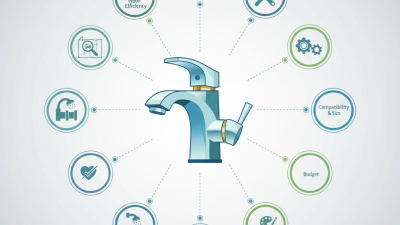
Choosing the right lavatory faucet for your home can be overwhelming. It's essential to begin by understanding your specific needs. Consider the size of your sink. A compact sink requires a smaller faucet, while a spacious vanity can accommodate larger designs. Assess the height of the spout, especially if you frequently wash large items or fill pitchers.
Water efficiency is another critical aspect. Look for faucets with aerators or low-flow options. These can reduce water usage while maintaining pressure. Reflect on your home’s design. A modern bathroom may benefit from sleek, minimalist styles, while a traditional space might call for a more ornate fixture. Don’t underestimate the importance of comfort and functionality. Test the handle movement and stature in the store.
Think about installation too. Some faucets are easier to install than others. If you're a DIY enthusiast, you might prefer simpler options. Check if professional installation is needed. This could add to your overall cost. If you’re unsure about your choices, seeking advice from experts can be invaluable. Remember, the right faucet should match your needs and enhance your bathroom's usability.
Popular Lavatory Faucet Features and Their Importance
This chart illustrates the importance of various features when choosing a lavatory faucet based on homeowners' preferences.
Types of Lavatory Faucets: A Comprehensive Overview
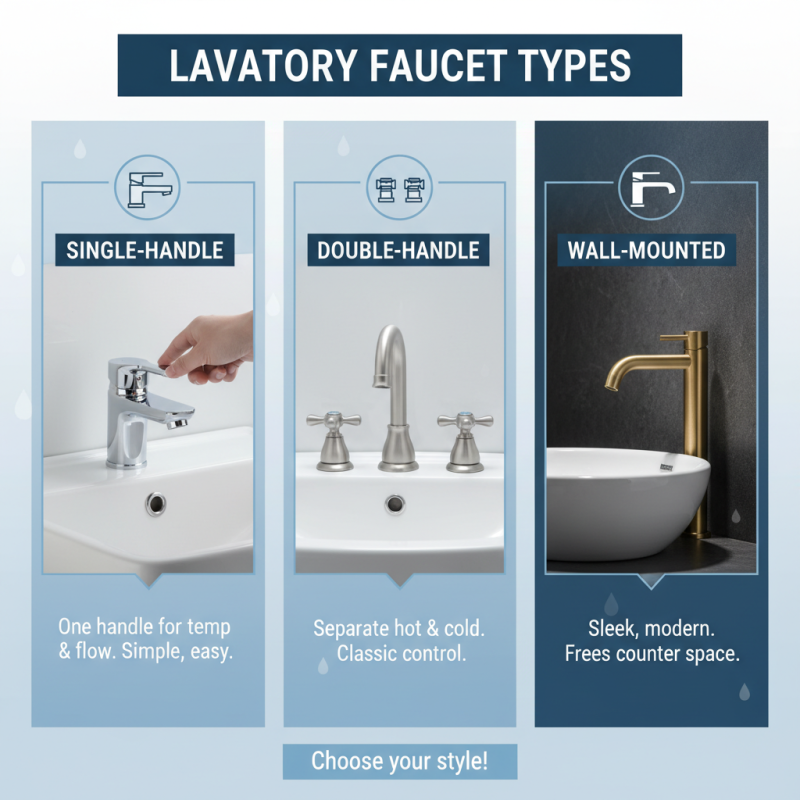
When selecting a lavatory faucet, understanding the types available is crucial. There are several main styles. Single-handle faucets offer simplicity and ease of use. Just one lever controls both hot and cold water, perfect for those who prioritize functionality.
On the other hand, dual-handle faucets bring a classic aesthetic. These faucets have separate controls for hot and cold water, giving more precise temperature control. People often find that they enjoy the tactile experience of turning two knobs. However, some may find them less convenient in quick situations, like when hands are full.
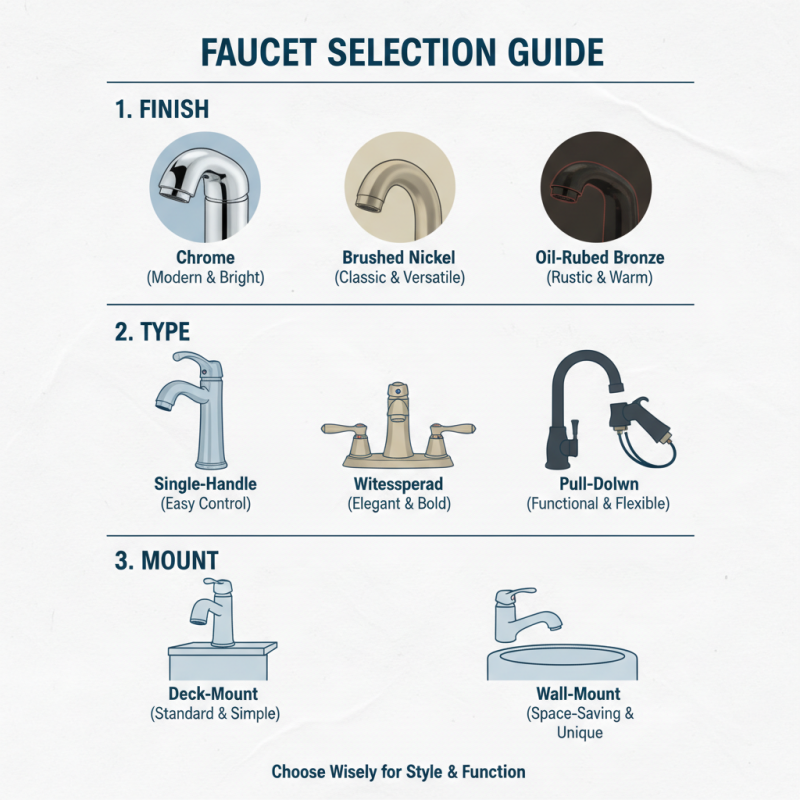
Consider the finish and material of your faucet. Chrome and brushed nickel are popular choices, each providing a distinct look. Keep in mind that different finishes require varying levels of maintenance. Sometimes, the most beautiful faucet can become a hassle if it shows water spots easily. Reflect on what fits your lifestyle, as this will influence your satisfaction in the long run.
Key Features to Consider When Selecting a Faucet
Choosing the right lavatory faucet is essential for both functionality and aesthetics. When selecting a faucet, consider the features that best suit your needs. Start with the finish. Fixtures come in various finishes like chrome, nickel, and oil-rubbed bronze. Each finish impacts the overall design. For example, a matte black faucet adds a modern touch, while brushed nickel offers a classic vibe.
Water flow rate is another critical aspect. Most faucets have a flow rate of 1.5 to 2.2 gallons per minute. Higher flow rates offer better water efficiency. Make sure it complies with local regulations. Additionally, consider installation types. Wall-mounted faucets save counter space, while deck-mounted options are more common and easier to install. Always check the compatibility with existing plumbing.
**Tips:** Visualize how different styles blend with your bathroom decor. Additionally, test the mobility of the handle. It should offer smooth operation without excessive force. Don’t overlook the importance of aerators. They help reduce water usage without sacrificing performance. Lastly, think about maintenance. A complex design might look beautiful but require more upkeep. Simplifying your choice can lead to long-term satisfaction.
Material and Finish Options for Durability and Style
Choosing the right material and finish for your lavatory faucet can greatly impact its durability and style. You’ll find several options available, including stainless steel, chrome, and brushed nickel. Each of these materials has unique strengths, making it important to consider your needs and preferences.
Stainless steel offers excellent resistance to rust and corrosion. It’s durable and easy to clean, which makes it a popular choice. However, its shiny finish can show water spots if not maintained.
Chrome faucets are bright and modern, providing a sleek look. They are also highly reflective, but they can scratch and tarnish over time. Brushed nickel offers a softer tone and is less prone to showing fingerprints. Despite its attractive appearance, it may require more frequent polishing.
Tips for choosing the right finish include considering your overall bathroom style. If your décor is modern, chrome may suit your aesthetic. For a more traditional look, opt for brushed nickel. Don’t overlook the texture of the finish, as it can affect both the look and the grip. Pay attention to how the faucet feels in your hand, as finishes can differ in their tactile experience. A thoughtful choice can enhance your bathroom’s functionality and beauty.
Installation and Maintenance Tips for Your Lavatory Faucet
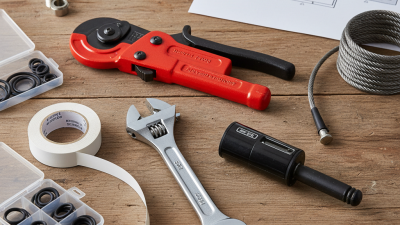
When installing a lavatory faucet, proper preparation is essential. Start by turning off the water supply to avoid any surprises. Use a basin wrench for easy access to hard-to-reach nuts. If the old faucet is stubborn, a bit of penetrating oil may help loosen it. Clean the sink surface thoroughly before placing the new faucet.
Maintenance of your lavatory faucet is equally important. Regularly check for leaks around the base and connections. This is vital for preventing water waste and damage. Keep the faucet's aerator clean to ensure a steady flow of water. Mineral deposits can build up over time. Soaking the aerator in vinegar can effectively remove these deposits. Don't ignore strange noises or irregular water pressure; these can be signs of underlying issues. Being attentive can save you from costly repairs later.
How to Choose the Best Lavatory Faucet for Your Home? - Installation and Maintenance Tips for Your Lavatory Faucet
| Feature |
Description |
Maintenance Tips |
| Type |
One-handle, two-handle, or touchless |
Regularly check for leaks and functionality |
| Material |
Brass, chrome, or stainless steel |
Clean with non-abrasive cleaners |
| Style |
Modern, traditional, or transitional |
Dust regularly to maintain finish |
| Installation |
Easy DIY or professional help required |
Ensure proper sealing to avoid leaks |
| Flow Rate |
Measured in GPM (gallons per minute) |
Use aerators to conserve water |