Top Tips for Choosing the Best Lavatory Faucet?
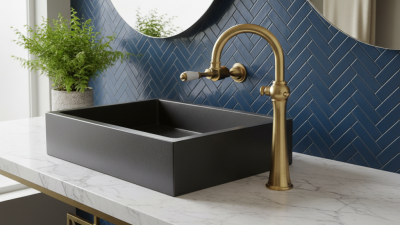
Choosing the right lavatory faucet can significantly enhance your bathroom's functionality and style. A lavatory faucet is more than just a fixture; it is a focal point. Different designs and finishes can transform an ordinary space into a luxuriously appealing oasis. However, the wide range of available options can be overwhelming.
Quality is vital. A good lavatory faucet should withstand daily use without showing signs of wear. Look for brands with a solid reputation. You want something that lasts, not a trend that fades. Consider the water flow and ease of installation. These factors can impact your overall experience.
Budget is equally crucial. Investing in a high-quality lavatory faucet makes sense but balancing quality and cost is essential. Sometimes, the cheapest option is not always the best. Reflect on your choices, and prioritize functionality and style. Explore various designs to find the perfect match for your bathroom decor. Your lavatory faucet deserves thoughtful consideration, ensuring it meets both practical needs and aesthetic desires.
Understanding Different Types of Lavatory Faucets and Their Features
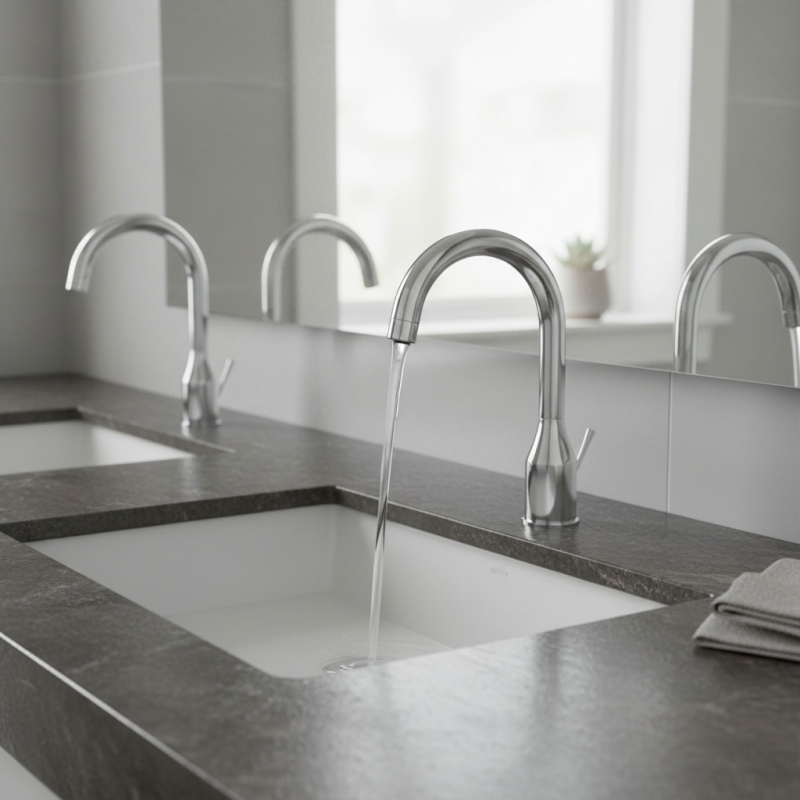
When selecting the right lavatory faucet, understanding the types and features available is crucial. Faucets generally fall into categories like single-handle, double-handle, and touchless designs. According to a report by the National Kitchen & Bath Association, single-handle faucets account for over 60% of market sales. This preference is due to their ease of use and streamlined aesthetics.
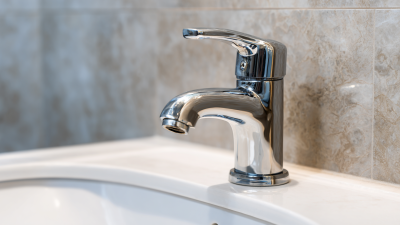
Single-handle faucets offer flexibility with temperature control. Their compact design suits various styles, from traditional to modern. Conversely, double-handle faucets provide a classic look and greater control over water flow. Each has advantages, but they may require more installation space. The complexity of the plumbing system can limit options, making it important to assess existing fittings.
In recent years, touchless faucets have gained traction in residential and commercial spaces. These feature smart technology, allowing users to activate water with a simple wave. An industry study indicated that touchless options may help reduce water waste by at least 30%. However, they can be sensitive to environmental factors, such as lighting. Recognizing these nuances ensures a suitable choice for individual needs.
Key Factors to Consider When Choosing a Lavatory Faucet
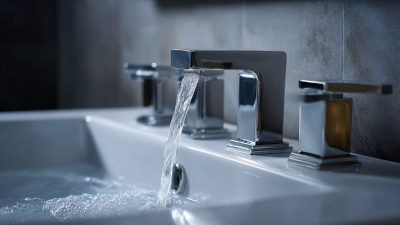
Choosing the right lavatory faucet is essential for both functionality and style. When considering options, start with the type of mounting. There are three common styles: widespread, center-set, and wall-mounted. Each has distinct visual appeal and installation requirements. A widespread faucet offers flexibility in spacing, while a center-set is perfect for tighter spaces.
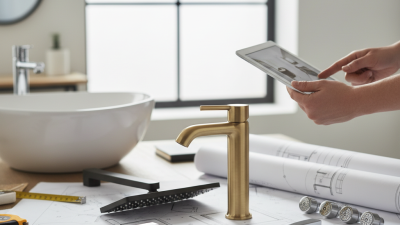
Next, think about the material and finish. Faucets come in various materials like brass and stainless steel. These materials not only impact durability but also how well the faucet resists tarnish and scratches. A polished chrome finish looks modern, but brass can add a classic touch. Consider maintenance; some finishes require more upkeep than others.
Lastly, examine the faucet's flow rate and efficiency. A lower flow rate can reduce water usage, benefiting the environment. However, if it feels too low, you may question its effectiveness. It's important to balance efficiency with performance. Don't rush the decision; visit showrooms to test different options. Personal experience will guide you to the perfect choice for your space.
Top Tips for Choosing the Best Lavatory Faucet
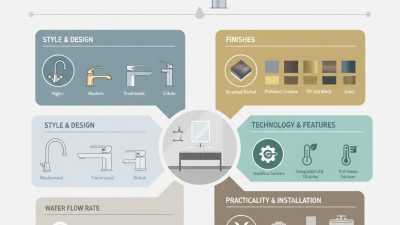
This bar chart illustrates key factors to consider when choosing a lavatory faucet based on customer preferences.
Assessing Water Efficiency and Flow Rate for Eco-Friendly Options
When selecting a lavatory faucet, water efficiency should be your top priority. Many options on the market can significantly reduce water consumption. Look for faucets that feature aerators, which can help maintain strong water flow while using less water. This technology is essential for eco-conscious homeowners.
Flow rate is another critical factor to consider. Most low-flow faucets offer a rate of 1.2 gallons per minute or less. This not only helps save water but also reduces utility bills. However, some models may not provide a strong enough stream for daily tasks. Find a balance between efficiency and functionality.
Check for certifications like WaterSense. This label indicates adherence to strict water efficiency criteria. While some faucets look attractive, they might not be the best at conserving water. It's important to research and read reviews. User experiences often highlight both advantages and drawbacks.
Consider how often you wash your hands or fill water for other uses. Your choice should meet your needs without wasting resources. Balancing style, efficiency, and practicality can be challenging but is essential for a sustainable bathroom.
Matching Faucet Styles with Your Bathroom Decor and Aesthetics
When selecting a lavatory faucet, aligning its style with your bathroom decor is crucial.
A study by the National Kitchen & Bath Association found that 70% of homeowners consider aesthetics when choosing fixtures. Many prefer a cohesive look that enhances the overall design theme, whether modern, vintage, or minimalistic.
For a contemporary bathroom, sleek, geometric faucets can create a striking visual contrast. In contrast, ornate styles often work well in classic settings. A survey indicated that 40% of respondents felt that faucet design impacts their perception of space. This highlights how important faucet style is for bathrooms.
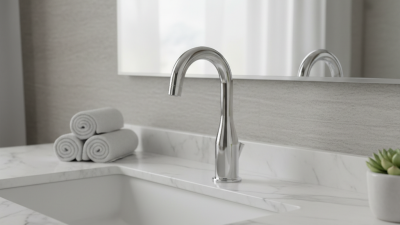
However, achieving the perfect match can be challenging. It requires a keen eye for detail and a sense of balance. Homeowners sometimes overlook how finishes like chrome, brushed nickel, or matte black play a significant role. An ideal faucet should not only function well but also complement the existing elements.
Reflect on how the faucet shape, color, and material resonate with your bathroom's personality. This reflection can lead to decisions that enhance your space's overall aesthetics.
Tips for Ensuring Proper Installation and Maintenance of Your Faucet
Proper installation and maintenance of your lavatory faucet are crucial for its longevity and functionality. Ensure that the water supply is shut off before starting the installation process. This step may seem obvious, but many overlook it. A simple mistake can lead to leaks or water damage. Use plumber's tape on threads to create a watertight seal. This tape is inexpensive and can save you from costly repairs later.
Regular maintenance is key to extending your faucet's lifespan. Clean the aerator every few months to prevent mineral buildup. It’s a simple task. Unscrew the aerator and rinse it under warm water. It’s easy to forget, but neglecting this can lead to reduced water flow and pressure. Check for leaks periodically. A small drip may not seem significant, but it can waste gallons of water annually. Keep an eye out for signs of wear around the handles and base. Addressing these issues early can prevent larger problems down the line.
If you notice any unusual noises or irregular water flow, don’t ignore them. These could be signs of underlying issues that may require professional assistance. Understanding your faucet's components can help you troubleshoot common issues. Engage with your faucet regularly, and don’t hesitate to ask for guidance if you need it. Taking these steps ensures a reliable and efficient faucet in your home.