What Is Decorative Plumbing and What Types Are Available?

A bathroom faucet can be more than a fixture. Its shape, finish, and handle feel influence how the whole room looks and works. Decorative plumbing includes visible water-delivery products such as faucets, showerheads, tub fillers, and exposed accessories. These details sit between practical engineering and interior design. They must look right, but they also need to control water reliably and suit everyday use.

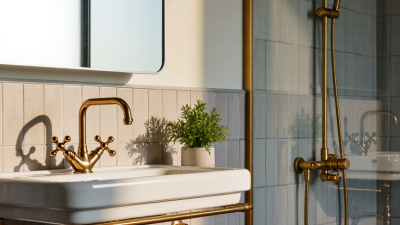
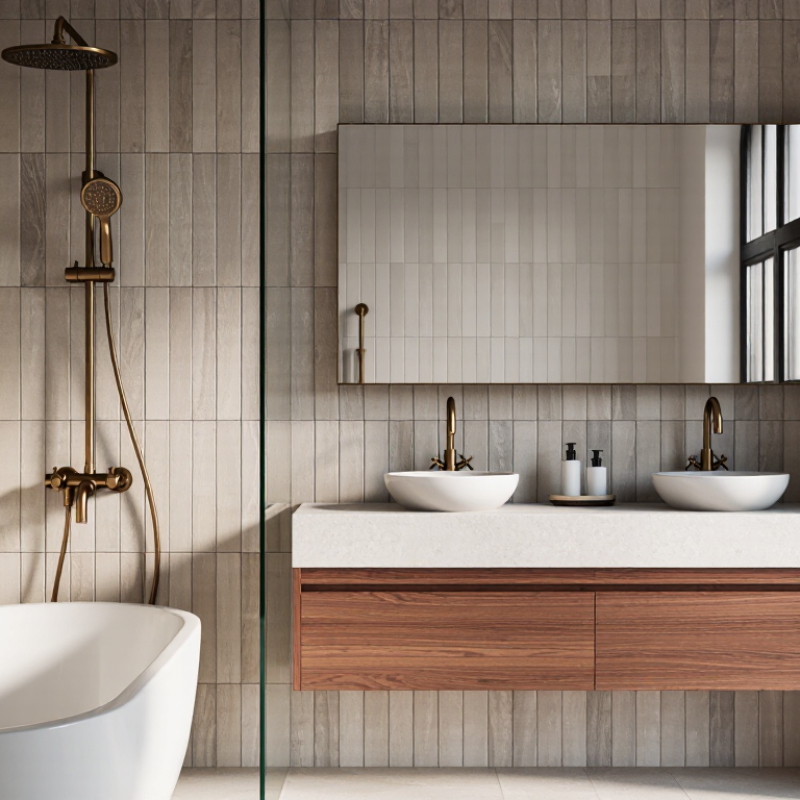
Industry research helps explain why these choices matter. Houzz’s 2024 U.S. Bathroom Trends Study reported a median spend of $15,000 for major bathroom remodels. That investment makes fixture selection a meaningful part of planning, not merely a finishing touch. The National Kitchen & Bath Association’s 2024 Bath Trends Report also tracks changing preferences in bathroom design, including growing attention to comfort and personal well-being. A brushed-brass faucet beside a pale stone basin may create warmth; a wall-mounted fixture can leave more counter space. Small choices. Real consequences.

This guide introduces the main types of decorative plumbing and the differences between them. It will cover faucets, shower systems, bathtub fillers, and finishes, while noting practical factors such as installation, maintenance, and compatibility. Product descriptions can make every finish sound effortless. In real homes, water quality, cleaning habits, and existing pipework can change the experience. That deserves a closer look. Industry reports offer useful context, but they cannot decide what works in one specific bathroom.
What Is Decorative Plumbing and What Types Are Available?

What Decorative Plumbing Includes and How It Functions

Decorative plumbing refers to the visible fixtures and fittings that bring both function and style to a bathroom or kitchen. It can include faucets, showerheads, taps, handles, exposed pipework, and drain covers. These parts are not merely ornaments. Faucets regulate water flow and temperature, while showerheads shape the spray. Handles connect the user’s actions to valves inside the fixture.

Some plumbing components sit behind walls or beneath sinks, but they still affect how decorative fittings work. The fixture must match the pipe connections and suit the available water pressure. A qualified plumber can check compatibility before installation, especially when replacing older fittings. Small details matter. A beautiful faucet may be awkward to clean, or its handle may bump against a nearby wall. A finish that looks subtle in a sample can feel too bright under bathroom lighting.

Tips: Check measurements, connection sizes, and cleaning instructions before choosing a fixture. Keep a soft cloth nearby; water spots show quickly on some finishes. And test the handle. Comfort is easy to overlook.

The Main Components of a Decorative Plumbing System

A decorative plumbing system is more than a collection of polished fixtures. Its visible parts include sink faucets, showerheads, tub fillers, handles, and drains. Behind the finish, valves and supply connections control water flow and temperature. Each part must fit the room’s plumbing layout, not just its style. A wall-mounted faucet, for example, needs the right in-wall rough-in before tile is installed. Small detail, big consequence.

Flow rate matters as much as appearance. The U.S. Environmental Protection Agency’s WaterSense specification sets a maximum of 1.5 gallons per minute for certified bathroom sink faucets, compared with the federal standard of 2.2 gallons per minute. For showerheads, WaterSense sets a 2.0-gallon-per-minute limit, versus the federal 2.5-gallon limit. These figures help homeowners compare performance, though water pressure and installation also affect the experience. A low-flow fixture should still suit the household’s preferred spray and daily use.

Finishes tie the components together, while handles and trim plates shape how people use them. Drains and overflow covers are easy to overlook, yet mismatched finishes can interrupt an otherwise cohesive bathroom. Check valve compatibility, mounting dimensions, and cleaning requirements before choosing fixtures. A showroom finish can look different under warm bathroom lighting, so samples are worth reviewing in place.

Common Types of Decorative Plumbing Fixtures

Decorative plumbing means the visible fixtures and trim that make a bathroom’s water system part of its design. At a vanity, common choices include single-handle faucets, widespread two-handle faucets, and wall-mounted taps. Single-handle models keep the counter visually simple. Widespread sets create a more traditional look, while wall-mounted taps leave more basin space but need carefully placed plumbing. Small details matter. Finishes such as brushed nickel, polished chrome, and matte black change how handles and spouts look against tile and stone. They also age differently: dark finishes can show mineral spots, so local water conditions matter.

Showers commonly combine a control valve, trim plate, and showerhead; some add a handheld sprayer or a second outlet. Rain-style heads offer a broad spray, but the ceiling height and water pressure should suit the installation. The U.S. EPA WaterSense specifications set a maximum flow of 2.0 gallons per minute for labeled showerheads, at least 20 percent below the federal standard of 2.5 gallons per minute. Labeled bathroom faucets use no more than 1.5 gallons per minute, 30 percent below the standard 2.2 gallons, according to EPA WaterSense. Bathtubs may pair with deck-mounted or freestanding fillers, while toilets and flush plates bring another visible design choice. Still, matching every finish can feel oddly staged; a little contrast often feels more lived-in.

Common Decorative Plumbing Fixtures: U.S. Federal Maximum Flow Rates

How to read this chart: Federal maximum flow rates are 2.2 gallons per minute (gpm) for bathroom and kitchen faucets at 60 psi, and 2.5 gpm for showerheads at 80 psi.

These limits use different test pressures, so the values are not a direct comparison of performance. Actual flow can vary by fixture, water pressure, and applicable local requirements. Source: U.S. Department of Energy appliance standards.

Materials, Finishes, and Design Styles

Decorative plumbing includes visible fixtures such as faucets, showerheads, handles, and exposed pipes. Their materials affect both appearance and upkeep. Brass is often chosen for its substantial feel and resistance to corrosion, while stainless steel offers a clean, practical look. Some fixtures use plated or coated base metals, so check the product specifications rather than judging by appearance alone. Small details matter.

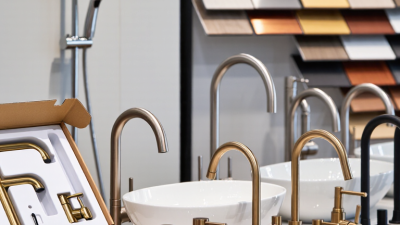
Finishes change how a fixture looks in different light. Polished chrome reflects bright highlights and shows water spots readily. Brushed nickel softens reflections and can make fingerprints less noticeable. Matte black creates crisp contrast, but mineral deposits may stand out on dark surfaces. Living finishes can develop subtle variation over time. That patina is not always uniform, which may be part of the appeal—or a source of regret.

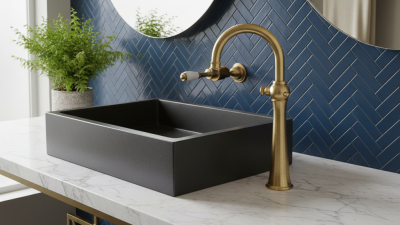
Design style should work with the room’s other surfaces. Traditional spaces often suit cross handles, curved spouts, and warm metal tones. Modern bathrooms may pair simple lever handles with squared forms and restrained finishes. Industrial designs can feature visible pipework and darker metals. Before choosing, compare finish samples beside your tile and countertop. A small sample can look different under warm evening lighting, so check it in daylight too.

Factors to Consider When Choosing Decorative Plumbing

When choosing decorative plumbing, start with daily use, not the finish. A faucet should feel comfortable to operate with wet hands, and its spout must reach the basin without splashing. Check water pressure, connection sizes, and valve compatibility before ordering. These details are easy to overlook. They can also turn a simple update into extra work.

Water efficiency matters too. The U.S. EPA’s WaterSense showerhead guidance says certified models use no more than 2.0 gallons per minute, at least 20% less than the federal standard of 2.5 gallons per minute. The EPA estimates an average family could save 2,700 gallons of water annually by switching to a WaterSense-labeled showerhead. Verify the current product specification, since performance and local conditions vary.

Consider how finishes will look in your actual lighting and how much care they need. A polished surface can show fingerprints; textured details may collect mineral deposits. Ask for a physical sample, then view it beside your tile and countertop. Small differences matter. Also confirm that the faucet, handles, shower valve, and trim are designed to work together. A beautiful fixture is less useful if replacement parts are difficult to find or installation requires unexpected changes to the wall.

What Is Decorative Plumbing and What Types Are Available? - Factors to Consider When Choosing Decorative Plumbing

Decorative Plumbing Type Common Options Typical Materials or Finishes Factors to Consider When Choosing
Faucets and taps Kitchen, bathroom, basin, and wall-mounted faucets; single-handle, two-handle, and touchless designs Brass or stainless-steel bodies; chrome, brushed, polished, or matte finishes Check the number and spacing of sink holes, mounting style, spout reach and height, handle clearance, water connections, and ease of cleaning.
Showerheads and shower controls Fixed showerheads, handheld showers, slide bars, valves, and multi-outlet systems Metal or engineered components; finishes selected to coordinate with other bathroom fittings Confirm water pressure and flow compatibility, valve type, outlet locations, available wall space, and whether the existing plumbing supports the chosen configuration.
Bathtubs and bath fillers Freestanding, alcove, and drop-in tubs; deck-mounted, wall-mounted, or floor-mounted fillers Acrylic, enameled steel, and cast iron; metal bath-fill components Measure the room and access route, check floor support and drain position, and consider tub capacity, installation requirements, and filler reach.
Sinks and basins Undermount, drop-in, vessel, pedestal, and wall-mounted basins Vitreous china, stainless steel, natural stone, and glass Match the basin to the counter or wall, verify faucet-hole placement and drain alignment, and assess available workspace, splash control, and cleaning needs.
Toilets and bidets Close-coupled, wall-hung, and one-piece toilets; standalone or integrated bidet functions Most commonly vitreous china, with metal or plastic components Check rough-in dimensions, waste outlet position, water supply location, seat and user-access needs, and local requirements for water use and installation.
Visible plumbing trim Escutcheons, exposed pipes, shower arms, drain covers, and decorative supply lines Typically metal, with finishes that may be polished, brushed, or matte Confirm compatibility with the underlying valve or fitting, exposed-pipe dimensions, corrosion resistance, and consistency with nearby fixtures.
Bathroom accessories Towel bars, robe hooks, toilet-paper holders, and matching shelves Metal, glass, or moisture-resistant materials Consider mounting method, wall backing, placement and reach, available clearance, moisture exposure, and how the finish coordinates with plumbing fixtures.