Why Choose Decorative Plumbing for Global Projects?
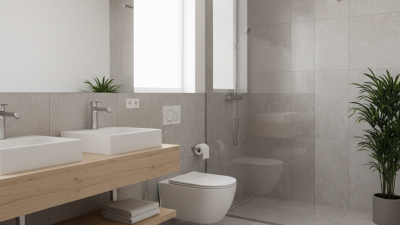
Choosing decorative plumbing for global projects means balancing visual intent with dependable performance. A sculptural faucet can define a hotel bathroom, yet its finish must withstand frequent cleaning and daily use. In coastal locations, humid air may reveal weak coatings sooner. Water pressure and mineral content can also affect valves, fittings, and shower performance. Small details matter.
Project teams should compare materials, installation requirements, replacement parts, and locally applicable product standards before approving fixtures. A finish that looks warm under a showroom spotlight may appear different beside natural stone or under cool lighting. The sample can mislead. Reviewing full-size samples in the actual space helps, though it cannot predict every condition over years of use. There is no perfect finish for every site; even a well-specified choice may age differently than expected.
Reliable sourcing matters as much as appearance. Confirming product availability, technical documentation, and service support early can reduce delays across multiple locations. Clear specifications also help contractors install matching fixtures, from basin taps to shower controls, without relying on assumptions. Decorative plumbing should support the project’s design while remaining practical to maintain. That balance takes careful coordination, and sometimes the first choice needs reconsideration. A thoughtful selection process gives global projects a more consistent look without ignoring local conditions.
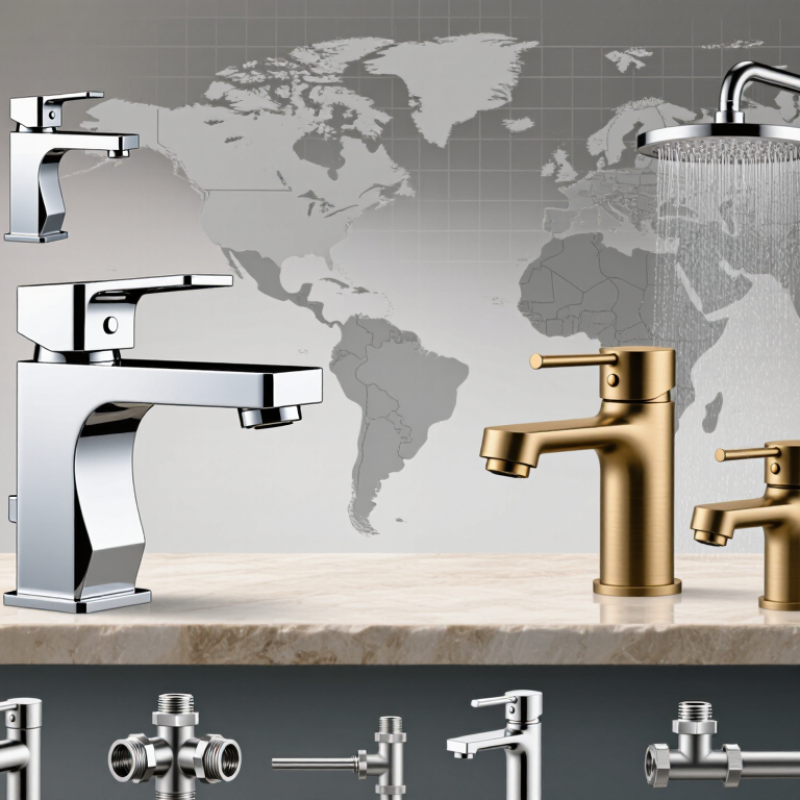
What Decorative Plumbing Includes in Global Projects
Why Choose Decorative Plumbing for Global Projects?
What Decorative Plumbing Includes in Global Projects
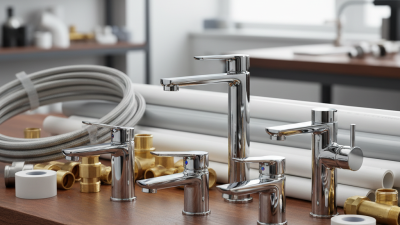
Decorative plumbing covers the visible fixtures and finishing details that shape bathrooms and kitchens. It commonly includes faucets, showerheads, exposed shower controls, sinks, bath fillers, drains, and matching accessories such as towel bars. Some project schedules also include concealed valves and rough-in components, even though they remain behind the wall. The boundary varies between teams. It should be clarified early.
The selection involves more than appearance. Project teams compare dimensions, connection points, operating pressure ranges, flow rates, materials, and finish durability. A brushed metal sample may look warm under showroom lights but cooler beside a hotel mirror. Small details matter. Drawings should identify each fixture and show how it connects to the building’s water and drainage systems. Local plumbing professionals can check compatibility with site conditions and applicable requirements.
Global projects also need clear installation and maintenance information. A faucet that fits one basin may leave too little clearance in another. Teams can review shop drawings, physical samples, spare-part availability, and access to service valves before ordering. Finish samples should be viewed under realistic lighting, not just on a screen. Planning is still imperfect sometimes; late layout changes can force fixture substitutions. An accessible valve is less visible, but often more useful.
How Decorative Plumbing Combines Function and Design
Decorative plumbing combines everyday performance with visible design. A basin tap must deliver steady water, turn smoothly, and resist leaks. Its finish, shape, and handle also influence how a room feels. In a hotel bathroom, for example, a carefully chosen tap can complement stone surfaces without competing with them. Small details matter.
Global projects need more than a consistent look. Water pressure, pipe connections, cleaning routines, and replacement-part availability can vary by location. A fixture that works well in one building may need adjustment elsewhere. Project teams should review technical drawings, confirm dimensions on site, and check finishes under the actual lighting. Looks are not enough.
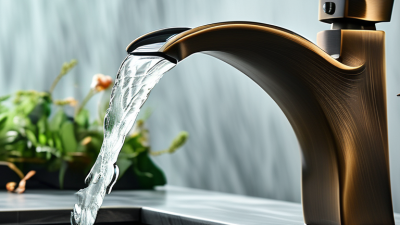
Material choice affects both appearance and upkeep. Brushed surfaces can soften fingerprints, while polished finishes may need more frequent wiping. Clear care instructions help maintenance teams protect the finish over time. Still, design preferences do not always match practical needs. A sculptural handle may look striking, yet feel awkward in daily use. That takes coordination. Samples and mock-ups can reveal these issues before installation, though they add time. The best solution balances reliable operation, straightforward maintenance, and a design that suits the space.
Key Benefits for International Buildings and Developments
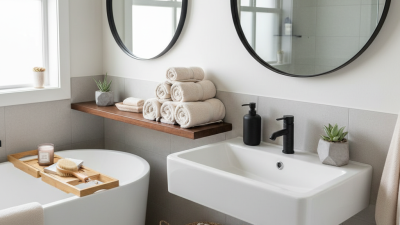
Decorative plumbing can help international buildings feel intentional, not assembled from unrelated parts. Coordinated faucets, shower fittings, and visible pipework create a consistent impression across hotel rooms, apartments, and shared spaces. The benefit is practical as well as visual: clear, familiar controls can make bathrooms easier for guests and residents to use. Small details matter.
Global projects bring different water conditions, cleaning routines, and maintenance resources. A finish that performs well in one location may show wear faster elsewhere, especially with hard water or frequent cleaning. Teams should review sample finishes, manufacturer care guidance, and local service access before specifying fixtures. A beautiful finish is not automatically a durable one.
Standardizing selected components across a development can simplify purchasing, installation, and replacement. It may also reduce confusion for maintenance teams working across multiple buildings. Yet a single specification will not suit every room or region. Designers need to coordinate dimensions, connection requirements, accessibility needs, and local building expectations with qualified project professionals. That takes planning. Mockups can reveal awkward handle positions, glare, or finishes that look different under actual site lighting. These checks take time, and sometimes the first choice is wrong. That is worth admitting.
Why Choose Decorative Plumbing for Global Projects?
Urban development spans regions with different needs, making adaptable fixture design important for international buildings.
Decorative plumbing helps project teams coordinate fixture aesthetics, user expectations, and local requirements across varied markets. These figures provide urban-development context; they are not a measure of plumbing-product performance.
Source: United Nations DESA, World Urbanization Prospects: The 2018 Revision. Urban population shares are rounded estimates.
Factors for Selecting Fixtures Across Markets
A fixture that suits one market may create problems in another. Start with the site, not the catalogue. Water pressure, pipe connections, and available space can vary between buildings, even within one city. Measure rough-ins carefully and confirm local connection requirements with the project team before specifying taps, showers, or basins. A few millimetres can affect installation.
Climate and water conditions also matter. In coastal areas, humid air and salt exposure can shorten the life of unsuitable finishes. Hard water may leave visible deposits around aerators and showerheads, so easy cleaning and replaceable parts deserve attention. Small details matter. Check that common maintenance items can be sourced locally; a minor repair should not depend on a long shipment.
Appearance still counts, but it should not outweigh fit, durability, or daily use. In project reviews, a finish that looked consistent in samples sometimes appeared different under site lighting. Mock-ups can help, though they add time and cost. That trade-off is easy to underestimate. Consider who will install and maintain each fixture, and share clear dimensions and care instructions. Accessibility, user habits, and local expectations may also differ, so assumptions are worth revisiting before final selection.
Installation, Compliance, and Maintenance Considerations
Why Choose Decorative Plumbing for Global Projects?
Installation, Compliance, and Maintenance Considerations
Decorative plumbing works best when appearance and site conditions are planned together. Before ordering, confirm pipe sizes, water pressure, connection types, and available installation space. A tap with an elegant finish may still need clearance for a backsplash or accessible shutoff valve. Ask installers to check dimensions on site; drawings can miss small but costly details. One detail teams sometimes underestimate is access for future repairs.
Compliance requirements vary by destination and project type. Verify applicable plumbing codes, product documentation, and material requirements with qualified local professionals before specifying fixtures. Keep records of technical sheets and installation instructions, especially when several contractors work across different locations. Requirements can change, and a checklist alone may not catch every local interpretation.
Tips: Test connections for leaks before closing walls. Keep spare cartridges and finish-compatible care instructions on site. Use gentle cleaners, not abrasive pads. Small details matter. Maintenance plans also need owners, and that responsibility is easy to overlook.