What Is Decorative Plumbing?

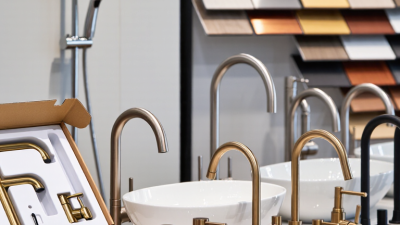
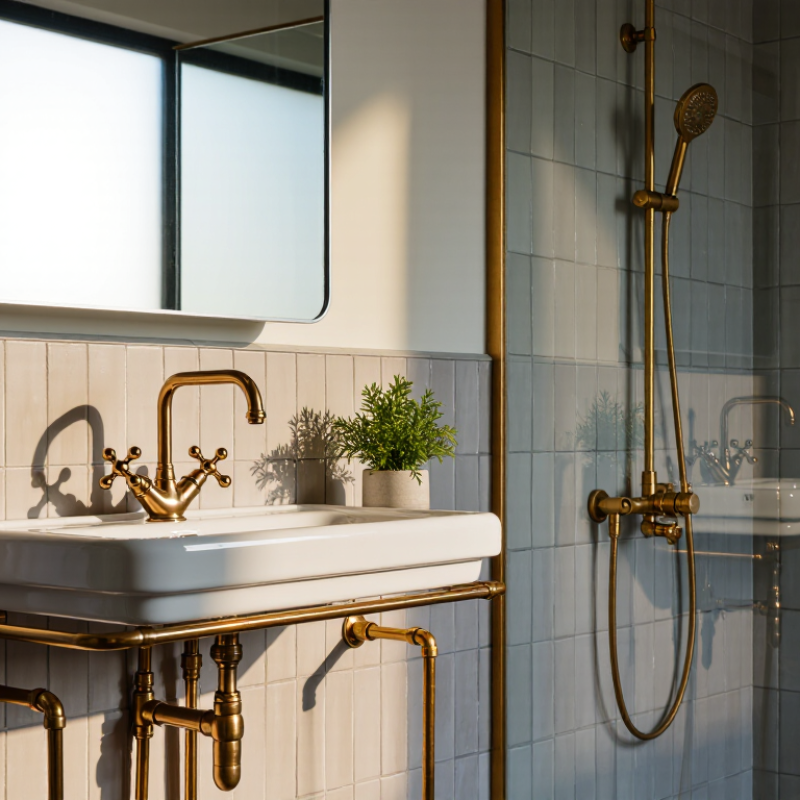
Decorative plumbing is where everyday function meets visible design. It includes faucets, shower fittings, sinks, exposed pipes, and finishing details chosen to shape a room’s character. A warm brass tap can catch afternoon light; a cross-handle may recall an older home. Yet appearance is only part of the decision. Water pressure, material quality, ease of cleaning, and compatibility with existing connections matter just as much.

Richard Trethewey, a plumbing and heating expert known for his work on This Old House, brings a practical perspective to plumbing choices. A concise paraphrase of that approach is: “A fixture should work reliably before it asks to be admired.” This is not presented as a verbatim quotation. It captures a useful standard for decorative plumbing: choose fittings that suit the room and perform consistently. A polished finish cannot compensate for a dripping valve or a handle that feels awkward in daily use. Small details count.

This guide explores common fixture styles, materials, finishes, and planning considerations. It also looks at how decorative plumbing can complement a room without overwhelming it. Some choices are less practical than they appear; maintenance can be easy to underestimate. That deserves a second look. The right decision depends on the home, the installation, and the people using it. A beautiful fixture is most successful when it feels natural in the room—and keeps doing its job.
What Is Decorative Plumbing?

Definition and Scope of Decorative Plumbing

Decorative plumbing refers to the visible fixtures and fittings that deliver water while shaping a room’s appearance. The term commonly covers faucets, showerheads, exposed controls, tub fillers, and some sink or bath fixtures. It may also include visible accessories, depending on the project. The boundary is not always exact.

A faucet’s handle shape, spout reach, and finish affect both daily use and the room’s character. A short spout can leave water pooling near a sink’s edge; a handle placed too close to a wall may feel awkward. Looks matter, but so does fit. Decorative selections need to work with the sink, water connections, and valves already specified. In new construction, a plumber can check these details before installation. In a renovation, existing openings and hidden pipe locations may limit the options. Finish samples can help, though lighting often changes how a surface appears. A warm metal tone beside a window may look cooler under evening bulbs. Even a well-planned scheme can feel different in the finished room.

Historical Development of Decorative Plumbing

Decorative plumbing began with a practical need: moving clean water and removing waste. Ancient societies built aqueducts, baths, and public fountains, where stone channels and carved outlets could be functional and visually impressive. These early systems were not modern household plumbing, but they showed that water infrastructure could shape a room or city.

For centuries, indoor water access remained limited. As plumbing spread through homes, metal taps and fittings became more common. In the nineteenth century, industrial production made fixtures easier to manufacture, while Victorian design favored detailed handles, visible pipework, and polished finishes. Later, cleaner lines and concealed pipes reflected changing ideas about hygiene and modern living. The shift was uneven; old and new styles often existed together. History is rarely that tidy. Today, decorative plumbing combines visual choices with practical concerns such as water pressure, durable finishes, and accessible repairs.

Tips: When choosing fixtures, consider the home’s age and existing pipe layout. Check finish samples in the room’s actual light. A beautiful fitting still needs to work well.

What Is Decorative Plumbing? — Historical Development of Decorative Plumbing
Period Plumbing Development Decorative Features Common Materials Historical Context
Ancient civilizations
c. 3000 BCE–500 CE
Water systems included wells, drains, aqueducts, public baths, and designed fountains. Roman cities developed extensive public water-supply and drainage infrastructure. Fountains and bath installations could serve as architectural focal points, with carved stonework, sculptural forms, and ornamental water outlets. Stone, terracotta, lead, and bronze. Plumbing primarily supported water supply, sanitation, and public bathing; decoration was most visible in civic and ceremonial settings.
Medieval period
c. 500–1500
Water access commonly relied on wells, springs, cisterns, and local conduits. In some religious and civic buildings, piped water served wash areas and fountains. Stone basins, carved wash stations, and courtyard fountains combined practical use with architectural ornament. Stone, timber, ceramic, and limited metal pipework. Plumbing systems were generally less extensive than those of ancient Rome, and decorative water features were often associated with monasteries, castles, and public spaces.
Renaissance and Baroque
c. 1400–1750
Engineered waterworks expanded in prominent cities, gardens, palaces, and estates. Indoor water provision remained less common than exterior fountains and landscape systems. Monumental fountains, sculpted basins, symmetrical layouts, and elaborate water displays emphasized design, status, and control of water. Stone, marble, bronze, and lead. Water features became significant elements of formal landscape and architectural design, while household plumbing was still limited.
Late 18th to early 19th century Growing urban water networks and improved pressure systems made piped water more available in some buildings. Early indoor baths and water closets appeared, though access varied widely. Visible faucets, basins, and bath fittings began to be treated as parts of interior design as well as functional equipment. Brass, copper, cast iron, ceramic, and stone. New water-supply technologies helped move some plumbing functions from courtyards and service areas into buildings.
Victorian era
c. 1837–1901
Industrial production and expanding municipal water and sewer systems supported broader installation of indoor sinks, baths, and water closets. Decorative taps, exposed pipework, patterned tile, pedestal basins, and freestanding baths made plumbing fixtures prominent features of domestic interiors. Porcelain, cast iron, brass, copper, and glazed ceramic. Public-health reforms and urban infrastructure development helped make indoor sanitation increasingly important, although adoption differed by place and household income.
Early to mid-20th century
c. 1900–1960
Standardized fittings, mass production, and improved building services made indoor bathrooms more common in many urban homes. Streamlined faucets, coordinated bathroom suites, colored sanitary ceramics, and simpler geometric forms reflected changing interior-design styles. Porcelain enamel, vitreous china, chrome-plated metal, brass, and steel. Plumbing design increasingly balanced appearance with affordability, ease of cleaning, reliable operation, and standardized installation.
Late 20th century
c. 1960–2000
Advances in valves, piping, manufacturing, and water-control technology expanded the range of residential and commercial fixtures. Design choices included sculptural faucet forms, varied finishes, concealed fittings, and renewed interest in historical styles. Brass, stainless steel, chrome-plated alloys, plastics, and ceramic. Decorative plumbing became a recognizable interior-design category, with fixtures selected to coordinate with the room’s materials and style.
21st century Contemporary plumbing combines conventional supply and drainage systems with technologies such as water-saving controls and touch-activated operation. Finishes, shapes, mounting styles, and visible details are selected to complement modern, traditional, or mixed-style interiors. Brass, stainless steel, ceramic, glass, engineered materials, and durable surface coatings. Current design often considers appearance alongside water efficiency, accessibility, durability, maintenance, and compatibility with the building’s plumbing system.

Common Fixtures and Components

Decorative plumbing includes the visible fixtures and working parts that shape a bathroom’s look and feel. Common choices include sink faucets, showerheads, tub fillers, handles, drains, and exposed supply pipes. A faucet may have a single lever or separate hot and cold handles; its finish is only one detail. The valve beneath it controls water flow and temperature. Small parts matter.

Shower trim usually includes the handle, escutcheon plate, and showerhead, while the concealed valve sits inside the wall. Check that trim matches the valve: parts can look similar yet fail to fit. At the tub, a spout may include a diverter that redirects water to the shower. Drains, overflow plates, and shutoff valves are less eye-catching, but they affect maintenance and installation.

The U.S. EPA’s WaterSense specifications set maximum flow rates of 1.5 gallons per minute for labeled bathroom faucets and 2.0 gallons per minute for labeled showerheads, at least 20% below conventional limits. These figures appear in the EPA’s WaterSense Specification for Bathroom Faucets and WaterSense Specification for Showerheads.

Looks are not enough. In practice, measure the sink, wall openings, and existing connections before choosing replacement parts; even a small mismatch can mean extra work.

Materials, Finishes, and Design Styles

Materials, Finishes, and Design Styles

Decorative plumbing brings faucets, shower fittings, and visible pipework into a room’s design. Material affects both appearance and upkeep. Solid brass components are valued for their weight and durability, while stainless steel offers a clean, practical look. Ceramic handles can add a tactile detail, though they may chip if knocked. Check the care instructions and confirm that fittings suit your water pressure before buying.

Finishes shape the room’s mood. Polished chrome reflects light and pairs easily with many styles, but water spots show quickly. Brushed nickel softens reflections and can feel less formal. Matte black creates strong contrast against pale tile, yet soap residue may stand out. Warm brass tones work well with natural wood and stone. Not every finish ages evenly, and samples can look different under warm bathroom lighting. Compare them in the room, if possible.

Tips: Wipe fittings with a soft cloth after use, and follow the manufacturer’s cleaning guidance. Avoid assuming that similar-looking finishes will match; compare samples beside your tile and cabinet hardware.

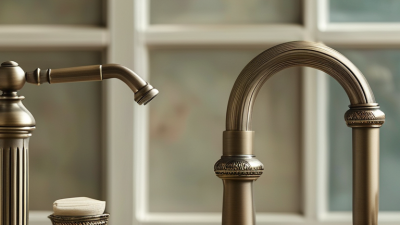
A traditional bathroom might use curved spouts and cross handles, while a contemporary space often favors simple shapes and concealed connections. Mixing styles can work, but too many competing metals may make a small room feel busy. Even a carefully planned choice can look different once installed. Start with one focal fitting, then choose supporting pieces for proportion, finish, and ease of maintenance.

Selection, Installation, and Maintenance

Decorative plumbing works best when appearance and daily use are considered together. Choose faucets, shower fittings, and handles that suit the room, but check their dimensions before buying. A tall spout may look elegant yet splash in a shallow basin. Confirm the faucet’s mounting holes, pipe connections, and required water pressure match the existing setup. Finishes also need practical thought: water spots show quickly on some surfaces, especially in hard-water areas. Small details matter. Keep finish samples beside the tile and countertop, since colors can shift under warm or cool lighting.

Installation begins with shutting off the water and protecting nearby surfaces. Follow the fixture instructions, and ask a qualified plumber to handle changes to supply lines or concealed pipes. Even a minor mismatch can cause a slow leak behind a cabinet. Measure twice. After installation, run the water and inspect each connection with a dry tissue; small drips are easier to spot that way.

For routine care, use a soft cloth and mild soap, then dry the surface. Avoid abrasive pads, which can dull the finish. Check handles, aerators, and visible joints occasionally. A fixture may need gentle cleaning more often than expected, and that is worth considering before choosing a high-maintenance finish.