Why Are Bathroom Supplies Important for Buyers?

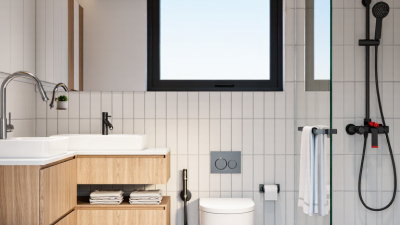
Bathroom supplies may seem like small purchases, yet they shape how a bathroom works every day. From a faucet aerator and shower shelf to towels and soap dispensers, each item affects comfort, upkeep, or available space. For buyers, the value is practical: a well-sized storage unit can keep toiletries off a damp counter, while an easy-to-clean surface may reduce routine effort. Small details matter.

Choosing bathroom supplies means checking fit and use, not just appearance. Measure the space beside the sink, note existing fixture finishes, and consider who will use the room. A family bathroom may need sturdy hooks and simple storage; a compact guest bathroom may benefit more from clear counters. Buyers can also compare product dimensions, material descriptions, care instructions, and warranty terms. These details help set realistic expectations, though a product page cannot answer every question. A polished photo may hide awkward installation or limited storage.

Think about what gets touched, splashed, and cleaned most often. A towel rail should sit within easy reach, and a bath mat should suit the floor area without blocking a door. For frequently handled items, secure fittings and smooth edges can make daily use easier. There is no perfect checklist. Needs differ, and a higher price does not always mean better value. Careful choices can make a bathroom more comfortable, easier to maintain, and better suited to the people who use it.

Why Are Bathroom Supplies Important for Buyers?

What Items Are Considered Bathroom Supplies?

Bathroom supplies include the everyday items that keep a room clean, usable, and comfortable. Think hand soap, toilet paper, tissues, bath towels, bath mats, and shower curtains. Cleaning brushes, sponges, disinfectant, and drain tools belong on the list too. So do practical replacements, such as toilet brushes, shower liners, and waste bins. The boundary can feel a little fuzzy: a towel is a supply, while a towel rail is usually a fixture. Both affect daily use.

Buyers should also consider water-related products, including showerheads, faucets, and replacement aerators. The U.S. Environmental Protection Agency’s WaterSense program reports that a WaterSense-labeled showerhead can save an average family 2,700 gallons of water each year.

That figure helps explain why a small bathroom purchase may matter beyond convenience.

Check fit, material, cleaning needs, and how often an item must be replaced. A soft bath mat may feel comfortable, but it needs to dry properly. Storage matters, too. A narrow shelf beside the sink can keep soap and daily essentials within reach, yet leave the counter crowded if it is poorly sized.

Small details matter. Often overlooked.

How Do Bathroom Supplies Support Hygiene and Health?

Bathroom supplies do more than make a room feel complete. Soap, clean towels, toilet paper, and a covered waste bin support everyday hygiene. Keep hand soap beside the sink, where it is easy to reach after using the toilet. Small details matter. An empty dispenser can interrupt a good routine.

Shared bathrooms need cleaning tools that are stored and maintained carefully. Rinse toilet brushes after use, let them dry, and clean them regularly according to their care instructions. Wash hand towels often, especially when they stay damp or serve several people.

A fresh-looking bathroom is not always a clean one. I have sometimes mistaken a neat counter for good hygiene; the often-touched faucet handle still needed attention.

A reliable supply of basic cleaning products helps people wipe sinks, taps, and other frequently touched surfaces. Follow product directions, and avoid mixing cleaners. Ventilation also helps limit lingering moisture, which can make a bathroom feel stale and encourage mold growth. A working fan or open window can help. These habits are simple, but they are easy to neglect when supplies run out or storage is inconvenient.

How Do They Affect Safety, Comfort, and Accessibility?

Bathroom supplies shape more than appearance. A textured bath mat can reduce slipping when the floor is wet, while a loose or curled edge can create a new trip hazard. Grab bars offer support when entering a tub or standing from a toilet. Their placement matters: a sturdy bar within easy reach is more useful than one installed for looks. It must also be secured to suitable wall structure, following installation guidance. A suction-mounted handle may feel firm at first, but it should not be treated as a substitute for a properly installed grab bar. Small details matter.

Comfort and accessibility often overlap. A handheld showerhead lets someone bathe while seated, and a stable shower seat can reduce fatigue. Lever-style taps may be easier to operate than small knobs, especially for people with limited grip. Clear floor space helps wheelchair users and anyone who needs room to turn or steady themselves. Check whether controls, shelves, and towels can be reached without stretching across a wet surface. Not every bathroom needs every accessory. Still, it is easy to overlook how one awkwardly placed item can make an ordinary routine harder, so observe how people actually use the space before choosing supplies.

What Role Do Supplies Play in Bathroom Function and Maintenance?

Bathroom supplies do more than complete a room. A working toilet, sealed faucet, clear drain, and exhaust fan support daily hygiene and help limit moisture damage. Small parts matter. A worn washer can leave a slow drip; cracked caulk can let water seep behind a tub. These problems often look minor until stains, odors, or swollen trim appear.

The Water Research Foundation’s Residential End Uses of Water, Version 2 reports that toilets account for about 24% of indoor household water use, showers 20%, and faucets 19%. These figures show why choosing durable, repairable fixtures can affect both routine use and upkeep.

The U.S. Environmental Protection Agency estimates that household leaks waste nearly 10,000 gallons of water annually on average. That adds up. For buyers, accessible replacement parts and easy-to-clean surfaces can make maintenance less disruptive, though they do not prevent every leak or buildup.

Ventilation supplies matter, too. A fan that moves humid air outdoors can help bathrooms dry faster after a hot shower, reducing lingering condensation on mirrors, grout, and painted walls. Cleaning tools and compatible drain strainers also help remove hair and soap residue before water backs up. I would not judge a bathroom only by its polished fixtures; checking under the sink and around the toilet can reveal more about how well it has been maintained.

What Should Buyers Consider When Choosing Bathroom Supplies?

When choosing bathroom supplies, start with the room’s actual dimensions and daily routines. Measure clearances around the toilet, vanity, shower, and door, then check product dimensions rather than relying on photos. A wide basin may look practical online but leave little counter space in a narrow room. Small details matter.

Moisture resistance, easy cleaning, and safe footing deserve close attention. For floors and shower areas, compare slip-resistance information and choose finishes suited to wet conditions. Look for materials that tolerate regular cleaning without demanding special products. Check taps, shower fittings, and drains for compatibility with existing pipework; a small mismatch can add time and cost during installation. Water-efficient fixtures can also reduce consumption, but confirm that their flow still feels comfortable for the household.

Consider who will use the bathroom and how needs may change. Lever handles, reachable storage, and well-placed lighting can make everyday tasks easier for children, older adults, or anyone with limited mobility. Compare warranties, installation instructions, and replacement-part availability, not just purchase prices. Looks can mislead. A polished surface may show water marks more readily than expected, and careful measuring can still miss an awkward corner. If possible, inspect samples under the room’s lighting and verify measurements before ordering.

Why Are Bathroom Supplies Important for Buyers? - What Should Buyers Consider When Choosing Bathroom Supplies?

Bathroom Supply Why It Matters What Buyers Should Consider Practical Checks
Toilet A frequently used fixture that affects comfort, water use, cleaning effort, and bathroom layout. Check bowl shape, seat height, rough-in measurement, flush performance, accessibility needs, and whether the model suits the available space. Measure from the finished wall to the drain center and confirm that the supply and waste connections match the installation requirements.
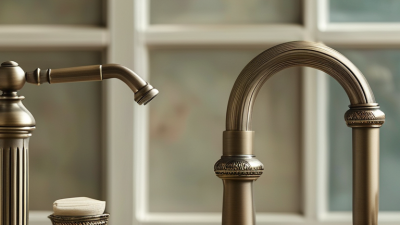
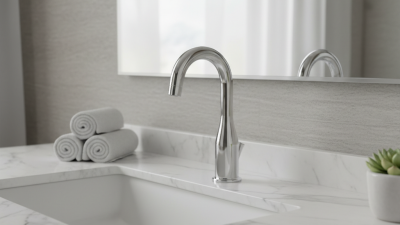
Faucet Affects everyday usability, water flow, splash control, and compatibility with the sink. Match the faucet to the sink’s hole configuration and deck thickness. Consider handle accessibility, spout reach, finish care, and replacement-part availability. Verify the number and spacing of mounting holes, connection sizes, and applicable local plumbing requirements.
Showerhead and Controls Influence shower comfort, ease of use, temperature control, and water consumption. Consider spray settings, adjustable height, control layout, cleaning needs, and compatibility with existing plumbing. Water-flow requirements vary by location. Check pipe connections and local flow-rate rules. Confirm that temperature controls are suitable for the household’s safety needs.
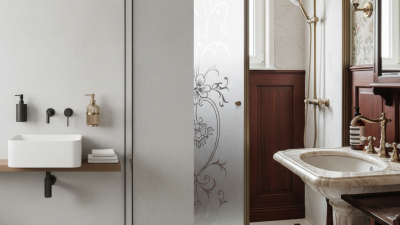
Sink and Basin Provides a main washing area and determines available counter space, storage, and faucet placement. Compare dimensions, basin depth, material, mounting type, overflow design, and compatibility with the chosen faucet and vanity. Measure the installation area and confirm drain position, countertop cutout, and clearance for plumbing below.
Vanity and Storage Organizes toiletries and cleaning supplies while helping make efficient use of bathroom space. Assess dimensions, drawer and door access, moisture-resistant construction, storage needs, and whether the unit works with the sink and plumbing. Measure door swings, walking clearance, wall space, and pipe locations before purchase. Use suitable fixings for wall-mounted units.
Ventilation Fan Helps remove humid air and odors, which can reduce condensation when the fan is correctly sized and vented outdoors. Consider room size, airflow rating, noise level, duct route, controls, and local electrical and building-code requirements. Confirm that exhaust is directed outdoors rather than into an attic or enclosed space, and check whether professional installation is required.
Shower Enclosure or Curtain Helps contain splashes and supports a safer, drier bathroom floor when properly fitted. Choose a suitable size and opening style. Consider cleaning requirements, water sealing, glass safety specifications where applicable, and user access. Measure the shower opening at multiple points and check wall alignment, tray compatibility, and required clearances.
Lighting and Mirror Supports grooming and general visibility; appropriate lighting can make the room easier to use. Consider light distribution, color appearance, mirror size, condensation features, and suitability for the bathroom’s electrical zones. Check product ratings and installation rules for the intended location. Use a qualified electrician where required.
Towel Bars and Accessories Keep frequently used items accessible and help maintain an organized bathroom. Consider placement, material, corrosion resistance, load requirements, and whether the mounting method suits the wall surface. Locate wall studs where possible or use anchors rated for the wall type and expected load. Avoid drilling near concealed pipes or wiring.
General Buying Checks Coordinated, compatible products can simplify installation, upkeep, and long-term use. Compare total cost, warranty terms, care instructions, availability of replacement parts, accessibility, and applicable safety or plumbing requirements. Take measurements before ordering, review installation instructions, and confirm compatibility with existing fixtures and local codes.