What Are the 7 Best Shower Faucets to Buy in 2026?

A shower can look elegant in a product photo and still disappoint at 6:30 a.m. when the handle feels awkward or the water temperature shifts. Choosing among shower faucets means weighing daily comfort against details that are easy to miss online: valve compatibility, pressure balance, finish durability, and replacement-part availability. A beautiful trim kit is not enough.

Plumbing expert Richard Trethewey’s practical approach offers a useful test: “Will this valve keep the shower comfortable and predictable?” That question matters more than a polished product description. The seven shower faucets in this 2026 guide are assessed by control type, installation requirements, materials, warranty, and value. We also consider whether each model suits a simple refresh or a larger bathroom renovation. Before buying, check the manufacturer’s current specifications and confirm that the faucet works with your existing valve; matching trim alone may not be sufficient.

Some models offer straightforward controls and dependable everyday performance. Others add thermostatic settings, refined finishes, or features that may not justify their higher price for every household. No ranking can erase that trade-off. A faucet that feels intuitive to one person may frustrate another, especially with wet hands or limited reach. This guide aims to make those differences clear, so you can compare the leading options without treating extra features as automatic upgrades. The best choice is the one that fits your plumbing, budget, and routine—not just your wishlist.
What Are the 7 Best Shower Faucets to Buy in 2026?

Understanding Shower Faucet Types and How They Work

Shower faucets differ mainly in how they mix water and control temperature. A pressure-balancing valve adjusts the hot-to-cold mix when water pressure changes, such as when a toilet is flushed. This helps reduce sudden temperature swings, though it does not keep the water at an exact temperature. The handle usually controls both flow and warmth.

A thermostatic valve senses water temperature and adjusts the hot and cold supply to maintain a selected setting. On many models, a separate control changes the flow rate. That can make temperature adjustments more predictable, especially in busy homes. Still, performance depends on correct installation and a properly functioning water heater. Small details matter.

Some showers use two handles, letting you adjust hot and cold water by feel. They are straightforward, but temperature can shift as household water use changes. A diverter, often built into the faucet or tub spout, redirects water between the showerhead and tub outlet; it does not regulate temperature.

Before choosing a style, check the existing valve, pipe layout, and available wall access. A sleek handle may not fit an older valve without plumbing changes. I would verify compatibility before buying—product descriptions can make that part seem simpler than it is.

Key Features to Compare Before Buying a Shower Faucet

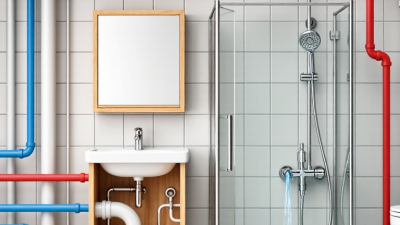
A shower faucet should match the plumbing behind the wall, not just the tile around it. Check whether the valve is included, and confirm its rough-in dimensions suit your existing setup. A trim kit may look complete but still require a separate valve. That detail can change the total cost.

Compare pressure-balancing and thermostatic controls. Pressure-balancing valves help limit sudden temperature changes when another tap runs. Thermostatic models let you set temperature separately from water flow, which can feel more precise. Check the stated flow rate, too. A powerful spray is not guaranteed by a large showerhead; local plumbing conditions and the valve both matter. Comfort is personal.

Look closely at the diverter if the faucet serves a tub and shower. It should switch outlets cleanly and feel sturdy in your hand. Handles with clear temperature markings are easier to use, especially in dim bathrooms. Finish durability matters where water spots collect near the handle. I used to focus too much on appearance; compatibility is less exciting, but harder to fix later. Ask who will install it, and whether replacement parts remain available.

The 7 Best Shower Faucets to Buy in 2026

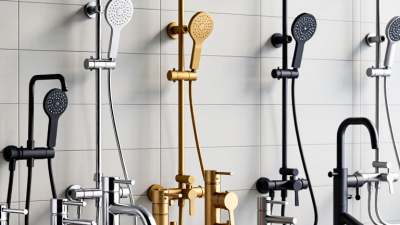
The 7 Best Shower Faucets to Buy in 2026 should suit different bathrooms, not just look polished in a product photo. Consider a pressure-balancing valve for steady temperature, a thermostatic valve for precise control, or a dual-outlet setup for switching between showerheads. Other useful picks include a handheld-compatible set, a rain-style setup, an accessible lever control, and a simple, repairable trim kit. Check valve compatibility before buying; attractive trim cannot fix an incompatible rough-in. That detail is easy to miss.

For efficiency, compare the showerhead’s tested flow rate, not just the faucet’s finish. The U.S. EPA’s WaterSense program sets a 2.0-gallon-per-minute limit for labeled showerheads, compared with the federal 2.5-gallon standard. EPA estimates a typical family can save 2,700 gallons of water yearly with a WaterSense-labeled showerhead. Actual comfort still depends on household water pressure and plumbing condition. A low-flow model may feel weak in an older home; specifications alone do not tell the whole story.

Tips: Measure the existing valve opening, note whether you need one or two outlets, and check local pressure before choosing. Test the handle with wet hands if possible. Keep the installation instructions and spare seals; small parts matter. These checks are less exciting than choosing a finish, but they can prevent a frustrating return.

How the Top Shower Faucets Compare in Performance and Value

What Are the 7 Best Shower Faucets to Buy in 2026?

How the Top Shower Faucets Compare in Performance and Value

The best choice depends on water pressure, installation needs, and daily habits. A pressure-balanced valve helps limit sudden temperature swings, making it a practical value for busy households. Thermostatic controls offer more precise temperature setting, though they usually cost more. Dual-function models let users switch between spray patterns without adding a separate fixture. Rain-style heads feel spacious, but can disappoint when household pressure is weak.

Handheld combinations are useful for rinsing and cleaning the shower, while low-flow models can reduce water use without necessarily feeling weak. Exposed retrofit faucets may simplify upgrades where opening a wall is undesirable. That convenience still depends on matching existing pipe connections. Compare valve type, finish durability, replacement-part availability, and warranty terms—not just the number of spray settings. Seven options can look similar online. Their real differences show up in installation and everyday use.

Tips: Check your home’s water pressure before choosing a rain head. Confirm valve compatibility with a qualified installer, especially during a replacement. Read the flow rate and warranty carefully. A higher price does not guarantee better performance, and a lower-cost model may lack easy-to-find replacement parts. I would not treat any single feature as decisive; the right trade-off can be less obvious than expected.

Choosing a Shower Faucet for Your Bathroom and Plumbing Setup

A shower faucet should fit the plumbing behind the wall, not just the finish on the shelf. Check whether your system uses a pressure-balancing or thermostatic valve, and confirm the replacement trim matches that valve. These parts are not always interchangeable. One detail is easy to miss.

Water pressure matters, too. A high-flow showerhead may feel strong, but it can strain a small water heater or waste hot water. The U.S. EPA’s WaterSense program sets a maximum flow rate of 2.0 gallons per minute for certified showerheads. The EPA estimates that an average family can save about 2,700 gallons of water yearly by switching to one. Look for clear flow-rate information, and check local plumbing conditions before choosing.

For homes with temperature swings, a pressure-balancing valve helps limit sudden changes when another fixture runs. Thermostatic valves offer more precise temperature control, but can cost more and may require compatible plumbing. The U.S. Department of Energy says water heating accounts for about 18% of home energy use, making efficient shower choices relevant beyond water bills. Ask a plumber to inspect older in-wall valves before ordering. I would not assume a new handle fits an old valve; that is a frustrating mistake, and one I might still make without checking the rough-in details.

What Are the 7 Best Shower Faucets to Buy in 2026? — Choosing a Shower Faucet for Your Bathroom and Plumbing Setup

A brand-neutral comparison of common shower-faucet configurations. Price ranges are approximate U.S. fixture-only estimates; rough-in parts, plumbing changes, and installation may cost extra. Flow rates refer to the showerhead, not the valve, and vary by model and water pressure.
Configuration Best suited to Typical valve Typical showerhead flow Approx. fixture-only price Plumbing and installation notes Main trade-off
1. Pressure-balanced tub-and-shower set Most standard tub-and-shower bathrooms Pressure-balancing valve Usually 1.8–2.5 gpm About $100–$350 Check that the set includes a tub spout and that the valve connections match the existing supply piping. Replacing the valve can require opening the wall. Helps limit sudden temperature changes when pressure shifts, but usually does not let you set temperature and flow independently.
2. Thermostatic shower system New bathrooms or remodels prioritizing steady temperature control Thermostatic valve, sometimes paired with separate volume controls Usually 1.8–2.5 gpm per outlet About $250–$900+ Confirm hot- and cold-water connections, valve depth, and the system’s required outlets before installation. More involved layouts may need additional valves. Offers precise temperature setting and can support multiple outlets, but typically costs more and may be difficult to retrofit.
3. Exposed shower system Retrofits where avoiding major wall work is important Exposed pressure-balanced or thermostatic valve Usually 1.8–2.5 gpm About $180–$600 Often connects to visible existing water supplies, but pipe spacing, thread type, and mounting requirements must be verified. Not every model fits every older setup. Can reduce wall demolition, but the exposed pipework takes up space and remains visible.
4. Concealed single-outlet shower set Clean, minimal bathrooms with accessible wall cavities Concealed pressure-balanced valve or thermostatic valve Usually 1.8–2.5 gpm About $150–$500 Check valve-body depth and service access before tiling. Trim and rough-in bodies are often sold separately and must be compatible. Creates a streamlined appearance, but future valve access and repairs may be more involved.
5. Rain-shower set with ceiling or wall arm Bathrooms designed around broad, overhead spray coverage Pressure-balanced or thermostatic valve Commonly 1.75–2.5 gpm About $120–$500 A ceiling-mounted head may require plumbing in the ceiling. Verify available flow and pressure, especially if another outlet will run at the same time. Provides broad coverage, but the spray can feel less forceful than a smaller head at the same flow rate.
6. Handheld shower set with slide bar Family bathrooms, seated showering, and easier cleaning Pressure-balanced or thermostatic valve; diverter if paired with another outlet Usually 1.8–2.5 gpm About $80–$350 Check hose length, slide-bar mounting, and whether a diverter is included. Wall anchors must suit the wall material and expected use. Versatile and easy to direct, but the hose and holder add visible hardware and require occasional cleaning.
7. Water-efficient shower set Reducing water use without replacing the whole bathroom layout Typically a pressure-balanced valve with a low-flow showerhead Often 1.5–2.0 gpm; qualifying WaterSense-labeled showerheads are 2.0 gpm or less About $60–$250 A showerhead-only replacement may fit an existing standard shower arm; confirm the connection and local requirements. A new valve may be needed if the existing one is worn or incompatible. Can reduce water use, but perceived spray strength depends on head design, plumbing condition, and household pressure.

Before buying: identify whether your bathroom has a tub or shower-only layout, measure the existing valve and supply connections, confirm the desired outlets, and check local plumbing requirements. In the United States, standard showerheads are generally limited to a maximum of 2.5 gallons per minute at 80 psi; local rules may be stricter.