Top 10 Best Shower Faucets for Every Budget

Choosing the right shower faucets is about more than appearance. A polished finish may catch your eye, but valve compatibility, water pressure, and installation needs matter just as much. A faucet that fits one bathroom may not work with another shower’s existing plumbing.

This guide explores ten shower faucets across a range of budgets, from practical everyday choices to more feature-rich designs. It considers useful details such as handle style, spray settings, materials, maintenance, and whether a model may require a matching valve. Check the manufacturer’s specifications before buying, especially if you are replacing only the visible trim. Small differences can affect fit. That part is easy to overlook.

Price matters. So does fit.

A lower-cost faucet may cover basic needs, while a higher-priced option may offer added controls or a more refined finish. Still, a bigger price tag does not automatically mean a better shower for your home. Think about who uses the shower, how often it needs cleaning, and what your current setup can support. If installation details are unclear, a qualified plumber can help assess compatibility before you purchase. The right choice should feel comfortable in daily use, not just look impressive in a product photo. There may be trade-offs, and no single model suits every bathroom.
Top 10 Best Shower Faucets for Every Budget

Shower Faucet Types and Their Core Components

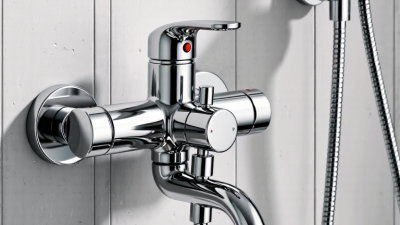
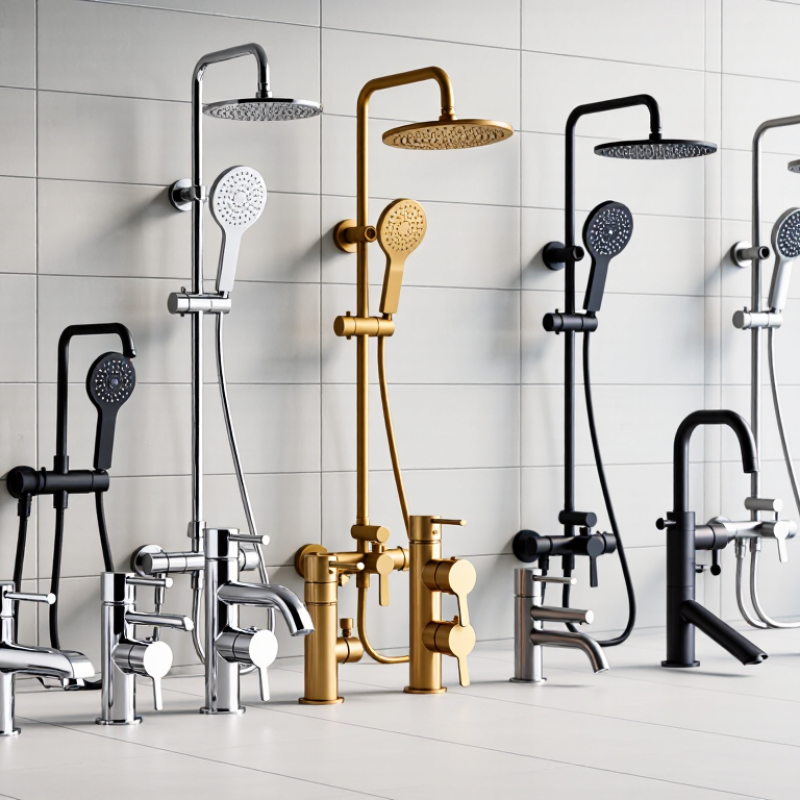
Shower faucet systems generally use a manual mixing valve, a pressure-balanced valve, or a thermostatic valve. A manual mixer adjusts hot and cold water with one handle or two. Pressure-balanced valves respond to sudden pressure changes, helping limit temperature swings when another fixture runs. Thermostatic valves regulate temperature separately from flow, which can make adjustments more predictable. Small parts matter. Inside the wall, the valve body and cartridge control water; outside, the trim, handle, diverter, shower arm, and head complete the setup. A tub-and-shower system also needs a diverter to route water between outlets.

Budget and comfort depend on more than the visible finish. EPA WaterSense specifications limit labeled showerheads to 2.0 gallons per minute, compared with the federal standard of 2.5 gallons per minute.

The U.S. Environmental Protection Agency estimates an average family can save 2,700 gallons of water yearly by replacing older showerheads with WaterSense-labeled models (EPA, WaterSense Showerheads). That figure concerns showerheads, not the valve itself.

Flow ratings alone can mislead; spray pattern, household pressure, and valve compatibility also affect the experience. Check the existing plumbing before choosing a replacement. A sleek trim plate cannot fix an incompatible valve.

How to Evaluate Price, Performance, and Compatibility

A shower faucet’s price matters, but the cheapest option can become costly if it needs a new valve or restricts water flow. Compare the complete installation cost, including the trim, valve, labor, and any wall repairs. EPA WaterSense specifications limit labeled showerheads to 2.0 gallons per minute, at least 20% below the 2.5-gallon federal standard. That figure offers a useful efficiency benchmark, not a promise of a satisfying shower. Check spray performance and pressure requirements before buying. Small detail. A low-flow fixture may feel different in a home with weak water pressure.

Compatibility is less visible, but it can make or break a purchase. Confirm whether the existing valve matches the new trim; many designs are not interchangeable. Measure the pipe connection, note the handle layout, and check whether the faucet suits a tub-and-shower setup or a shower-only enclosure. For older plumbing, a licensed plumber can identify the valve type before the wall is opened. That check may save a messy surprise. Compare warranties and replacement-cartridge availability, too, since a modest upfront saving is less attractive when routine repairs become difficult. I would not choose by finish alone; warm lighting can make polished metal look different from the product photo.

Top 10 Shower Faucets Across Budget Ranges

Across budget ranges, the best shower faucet is not automatically the most expensive. A practical top-10 comparison should weigh valve compatibility, water flow, spray control, and repair access. The U.S. Environmental Protection Agency’s WaterSense program reports that certified showerheads use no more than 2.0 gallons per minute, compared with the federal standard of 2.5. EPA estimates a typical family can save 2,700 gallons of water yearly by switching. Useful numbers, but home pressure still matters.

At the entry level, a simple pressure-balanced set can offer steady temperature control and fewer parts to maintain. Check whether the box includes the valve; some budget trims fit only a matching valve already inside the wall. Mid-range options often add a handheld sprayer or a diverter for switching outlets. That can help rinse a tiled stall, though extra fittings mean more places to inspect for leaks. Small detail. Look for clear installation instructions and readily available replacement cartridges.

Higher-priced sets may add thermostatic controls, multiple outlets, or sturdier metal components. These features can improve comfort, but they do not suit every bathroom or budget. EPA flow figures describe showerheads, not the entire faucet assembly, so compare specifications carefully. A WaterSense label is useful, yet it cannot compensate for weak household pressure or a poorly matched valve. That trade-off is easy to miss when shopping online.

Comparing Installation Needs, Water Efficiency, and Maintenance

Top 10 Best Shower Faucets for Every Budget

When comparing shower faucets, installation needs can matter as much as the price tag. Check whether you are replacing only the visible trim or the valve behind the wall; the parts may not be compatible. Measure existing pipe spacing and note whether the shower has one handle or separate controls. A simple swap may suit a confident DIYer, but corroded pipes or a hidden leak call for a qualified plumber. Small details count.

Tips: Before buying, take a clear photo of the current valve and fittings. Check the instructions for compatibility, required tools, and whether wall access is needed.

Water efficiency is worth comparing across budgets. Look at the stated flow rate, but remember that pressure and showerhead design affect how the spray feels. A lower-flow option can conserve water, yet it may feel weak in a home with low pressure. There is no perfect choice for every bathroom.

For easier maintenance, choose a finish you can wipe with a soft cloth, and avoid abrasive cleaners that may dull it. Keep an eye on drips and mineral buildup; cleaning the spray openings gently can help, though stubborn deposits may take patience. I’d weigh repair access more heavily than a fancy control—something shoppers, including me, can overlook.

Features to Consider for Different Bathrooms and User Needs

When comparing shower faucets for different bathrooms, match the valve and controls to the people using them. A pressure-balancing valve helps limit sudden temperature changes when another tap runs. Thermostatic controls let users set a preferred temperature, which can be useful for children, older adults, or anyone with limited mobility. Check the existing valve before buying trim: many finishes do not fit every valve. Fit matters.

Water flow and cleaning needs also vary. The U.S. EPA’s WaterSense program sets a maximum flow rate of 2.0 gallons per minute for certified showerheads, compared with the federal standard of 2.5 gallons per minute. EPA estimates an average family can save 2,700 gallons of water yearly by switching to WaterSense-labeled showerheads. In a small bathroom, a simple handheld spray can make rinsing easier; in a hard-water area, fewer spray openings may mean less scrubbing. A sleek finish looks nice, but water spots still show.

Tips: Measure the shower arm and check valve compatibility before ordering. For shared bathrooms, choose clear temperature controls and a comfortable handle grip. If water pressure is already weak, verify that a lower-flow showerhead suits the plumbing; efficiency should not make an ordinary rinse frustrating.