Top 10 Tub and Tile Trends for Global Buyers Today?
In the evolving world of home design, tub and tile trends play a crucial role in creating stylish and functional spaces. Global buyers today are increasingly seeking innovative materials and designs that reflect their lifestyle and values. From sleek modern aesthetics to classic vintage styles, the options are vast and varied.
Homeowners are more conscious about sustainability. Eco-friendly tub and tile materials are gaining popularity. Consumers want products that are not only beautiful but also sustainable. This shift reflects a growing awareness of environmental impact. Buyers are exploring textures, colors, and patterns that enhance their bathing experiences.
Yet, with so many choices, it can be overwhelming. Buyers may struggle to find the right fit for their homes. Understanding the best trends can make the selection process easier. By focusing on current tub and tile trends, buyers can make informed decisions. This guide highlights the top trends that resonate in today’s market.
Top 10 Tub and Tile Trends for Global Buyers Today
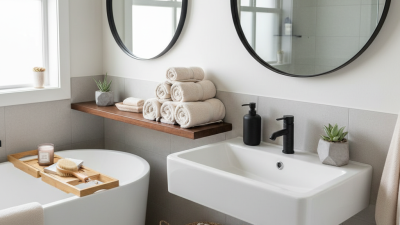
When exploring tub and tile trends for global buyers, comfort and style remain key. Homeowners increasingly seek materials that balance aesthetics with practicality. Unique textures and colors dominate the market. Matte finishes are becoming popular, creating a modern, understated elegance. Bold patterns add character and flair to bathrooms.
Choosing the right material can be challenging. Opt for porcelain tiles for durability. Natural stone provides a luxurious feel but may require more maintenance. Hydrophobic surfaces are ideal for reducing water marks. Consider the size of the space. Larger tiles can make small areas appear more spacious.
Incorporating eco-friendly materials is essential. Recycled options attract environmentally conscious buyers. These choices exhibit personal values and promote sustainability. A consideration of local suppliers can enhance community connections. Make decisions based on personal taste, but remember that trends evolve. What’s in vogue today may shift tomorrow.
Emerging Materials in Tub and Tile Design
Emerging materials are reshaping tub and tile design. Natural stone remains popular, but newer options like quartz and recycled materials are gaining traction. Quartz offers durability and a wide range of colors, making it a versatile choice. Recycled materials appeal to eco-conscious consumers, blending sustainability with luxury.
Ceramic continues to be a staple, yet innovative finishes are becoming more common. Matte surfaces add a modern touch, while textured tiles enhance visual interest. Even traditional glazed tiles are evolving, with unique glazes that create depth and character. Designers are often experimenting with geometric shapes and unexpected sizes, pushing creative boundaries.
While these trends introduce exciting possibilities, there are challenges. For instance, new materials may require specific maintenance, impacting long-term enjoyment. Additionally, finding the right balance between aesthetics and practicality can be difficult. Homeowners should consider their lifestyle and preferences carefully when choosing.
Sustainable Practices in Tub and Tile Manufacturing
Sustainable practices in tub and tile manufacturing are gaining traction. The industry is shifting towards eco-friendly materials. Recycled and natural substances are being prioritized. This trend reflects consumer demand for greener options. Many manufacturers are exploring bamboo, recycled glass, and reclaimed timber. These materials not only reduce waste but also add unique aesthetics.
Energy-efficient production techniques are on the rise. Factories now utilize renewable energy sources to minimize their carbon footprint. Water conservation methods are also crucial. Innovative processes reduce water usage while maintaining quality. However, not all companies are on board. Some still rely heavily on traditional methods, which raises concerns.
Transparency is essential in this evolving landscape. Consumers want to know where materials come from. They seek brands that disclose their sourcing practices. This demand drives accountability in the industry. Yet, the path to sustainability isn't without challenges. The cost of implementing eco-friendly processes can be high. Some manufacturers may struggle to keep prices competitive. This highlights the need for ongoing dialogue about sustainable practices in the home improvement sector.
Popular Colors and Patterns for Modern Bathrooms
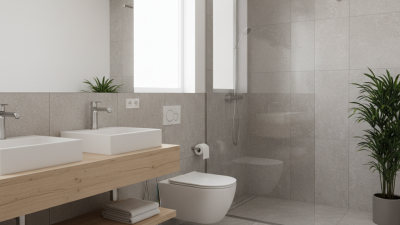
In modern bathrooms, color and pattern trends greatly influence design choices. The latest industry reports indicate that neutral tones remain popular, but there's a significant shift towards bolder options. Light greys and whites are still favored for their versatility. However, deep blues and greens are emerging as striking alternatives. These shades evoke a sense of tranquility while adding a splash of sophistication.
Patterns are also evolving. Geometric tiles have surged in popularity, with studies showing that 60% of global buyers prefer intricate designs. Subway tiles, once ubiquitous, are being complemented with mosaic patterns. Notably, the resurgence of vintage styles introduces elements of nostalgia. While these designs appeal to many, they may not fit every bathroom aesthetic. Balancing personal preference with market trends proves challenging.
Sustainability plays a crucial role in the selection process. Eco-friendly materials are in high demand, with reports indicating a 45% increase in inquiries for such options. Buyers seek not only visual appeal but also ethical considerations. This highlights the ongoing tension between style and sustainability, ultimately leading to a complex landscape for modern bathroom design.
Innovative Technologies in Tub and Tile Products
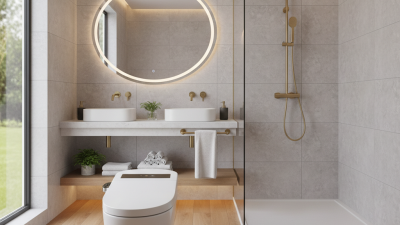
The bathroom design landscape is continually evolving, with innovative technologies reshaping tub and tile products. Many modern materials now include antimicrobial properties, enhancing hygiene. This development is crucial for preventing mold and mildew, which are common in damp environments. Advanced slip-resistant surfaces also provide safety without sacrificing aesthetics.
Tiles now often incorporate digital printing techniques, allowing for customized designs. This technology enables homeowners to express their personal style easily. The designs can mimic natural materials, such as wood or stone, offering a high-end look at a lower cost. It’s important to explore these options to match your vision while remaining budget-friendly.
When selecting products, consider durability and ease of maintenance. Some tiles come with enhanced coatings that make cleaning effortless. While these innovations are impressive, always verify product claims with reliable sources. Researching user reviews can provide insight into long-term performance. Reflect on your needs, and don’t rush the decision-making process.
Conclusion
The article "Top 10 Tub and Tile Trends for Global Buyers Today" highlights the latest developments in tub and tile design that cater to the preferences of modern consumers. Among the key trends, emerging materials are increasingly utilized to enhance aesthetics and durability, while sustainable practices in manufacturing are gaining traction, reflecting a growing environmental awareness.
Furthermore, the article explores popular colors and patterns that define contemporary bathrooms, emphasizing how innovative technologies are revolutionizing tub and tile products. Insights into global market preferences reveal a diverse array of consumer choices, illustrating the dynamic nature of this sector. As buyers navigate through these trends, the focus on both style and sustainability remains paramount in the evolving landscape of tub and tile design.