Top Bathroom Fixtures Trends to Watch in 2026?
As the bathroom design landscape evolves, staying informed about trends in bathroom fixtures is crucial. According to a recent report by Research and Markets, the bathroom fixtures market is projected to reach $105 billion by 2026, fueled by an increasing focus on sustainable and smart home technologies. Industry expert Julia Carpenter notes, “Innovation in bathroom fixtures is not just about aesthetics; it’s about functionality and sustainability.”
The integration of technology, such as touchless faucets and smart toilets, is reshaping consumer preferences. As homeowners prioritize energy efficiency, brands are adapting by offering fixtures that reduce water usage without compromising performance. However, there is a challenge. Many consumers remain unaware of the benefits of water-saving products, which creates a gap in the market that needs addressing.
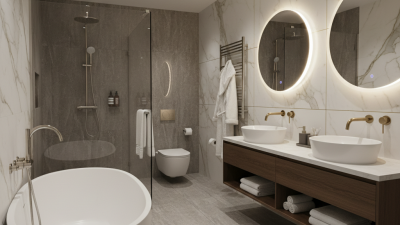
The trend towards luxury bathroom fixtures is notable. Consumers seek products that elevate their experiences. Brands must also educate buyers about the advantages of high-end materials. Balancing beauty and utility is essential. In this competitive market, companies will need to navigate consumer expectations and sustainability challenges while staying ahead of design trends.
Emerging Materials and Finishes in Bathroom Fixtures for 2026
As we look ahead to 2026, the bathroom fixture landscape is set to evolve dramatically. New materials will play a vital role. For instance, environmentally friendly options like bamboo and recycled metals will dominate. These materials offer aesthetic appeal while promoting sustainability. Combining function with ecology is becoming essential.
Finishes will also undergo a transformation. Matte black and brass tones are gaining popularity, adding a modern touch. Textured surfaces, like brushed finishes, provide depth and uniqueness. However, these trends may not suit every personal style. Some may find traditional designs more comforting.
People often overlook practicality. A beautiful fixture must also be durable. Designs must address daily wear and tear. Balancing style with functionality remains a challenge. The right choice can enhance spaces, but it requires careful consideration.
Sustainable Design Choices in Bathroom Fixtures Trends
As we move into 2026, sustainable design choices in bathroom fixtures will feature prominently. Homeowners are increasingly concerned about the environmental impact of their renovations. Opting for fixtures made from recycled materials can significantly reduce waste. Innovative technologies also enable water savings. Toilets with dual-flush systems and faucets with low-flow options will become standard.
Tips for creating a sustainable bathroom: Consider fixtures with long-lasting finishes. These are not only eco-friendly but also require less maintenance. Look for energy-efficient lighting solutions, like LED bulbs. They consume less energy and last longer. Your choices can lead to substantial energy savings over time.
Incorporating plants into your bathroom can enhance the space's sustainability. They improve air quality and add a natural element. Using reclaimed wood for shelving or accents can also make a striking design statement. Reflect on your material choices. Aesthetic appeal should not come at the expense of the planet. Strive for a balance that promotes a greener environment and a stylish bathroom.
Smart Technology Integration in Modern Bathroom Fixtures
As we approach 2026, smart technology is reshaping modern bathroom fixtures in remarkable ways. According to a recent report by the National Kitchen and Bath Association (NKBA), 65% of homeowners express interest in integrating smart features into their bathrooms. This trend highlights a rising demand for convenience and efficiency in daily routines. Smart mirrors with built-in lighting and touch controls, for instance, are becoming popular, allowing users to customize brightness for various tasks.
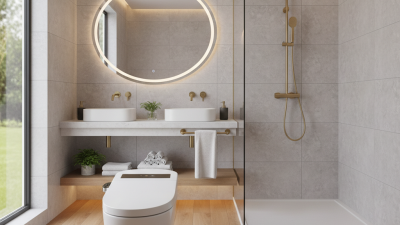
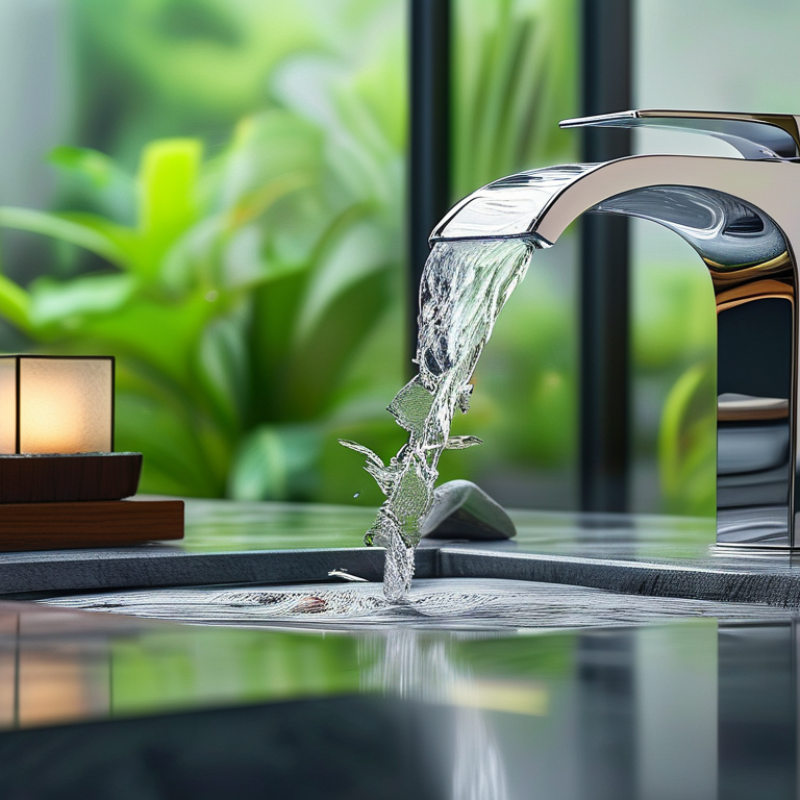
Touchless faucets are also gaining traction. They reduce water waste and promote hygiene, particularly in communal spaces. A study from the American Society of Plumbing Engineers reveals that touchless systems can save approximately 30% more water compared to traditional faucets. Meanwhile, smart toilets with customizable settings offer enhanced comfort and hygiene benefits, appealing to many homeowners.
**Tip:** Consider investing in smart lighting solutions. They enhance the ambiance while offering energy savings.
Yet, integrating smart technology poses challenges. Installation complexities and potential maintenance issues can lead to frustration. Homeowners must consider compatibility with existing plumbing. It’s essential to research options comprehensively to avoid pitfalls related to performance and interface usability.
**Tip:** Test features before committing to ensure they fit your lifestyle.
The trend towards smart technology in bathrooms is significant. However, it also necessitates careful planning and consideration, urging homeowners to reflect on their actual needs before making a purchase.
Top Bathroom Fixtures Trends to Watch in 2026
| Trend |
Description |
Benefits |
Expected Popularity |
| Smart Showers |
Integrating touchless controls and programmable settings for temperature and water flow. |
Enhanced comfort, water conservation, and personalized experiences. |
High |
| Smart Mirrors |
Mirrors with integrated lighting and touchscreen controls that provide information such as news and weather. |
Convenience, functionality, and aesthetic enhancement. |
Medium |
| Automated Toilets |
Toilets that feature automatic flushing, bidet functionalities, and self-cleaning options. |
Improved hygiene, comfort, and water efficiency. |
Growing |
| Voice-Controlled Fixtures |
Bathroom fixtures that can be controlled via voice commands for hands-free operation. |
Elderly and disabled accessibility, enhanced user experience. |
Increasingly Popular |
| Water Recycling Systems |
Systems that repurpose greywater for use in toilet flushing and irrigation. |
Environmental sustainability and water savings. |
Rising Interest |
Color Palette Innovations for Bathroom Fixtures in 2026
In 2026, color palettes for bathroom fixtures are set for exciting transformations. Homeowners are increasingly moving away from the traditional whites and grays. Instead, they are embracing warmer tones. Shades like terracotta and soft greens are emerging as popular choices. These colors evoke a sense of calm and a connection to nature. They can create a serene atmosphere that enhances relaxation.
Neutrals will remain important, but their undertones will shift. Expect to see muted pastels and earthy hues gaining ground. These shades add warmth without overwhelming the senses. Fixtures in these colors bring depth to the bathroom. Textures will also play a crucial role. Matte finishes are gaining popularity as they offer a modern look. Glossy finishes are starting to feel outdated.
Some designers predict the rise of bold contrast in color combinations. Think deep navy paired with soft blush. This can offer a dramatic yet sophisticated flair. However, it’s essential to consider balance. Too much contrast can lead to a chaotic feel. A well-thought-out palette will guide choices. Carefully chosen colors can anchor a space.
Reflective surfaces, like chrome or gold, could clash if not matched correctly. Balancing these elements will be key for 2026 trends.
Minimalist vs. Maximalist Styles: The Bathroom Fixture Debate
In recent years, bathroom design has split into two distinct styles: minimalism and maximalism. Minimalist fixtures emphasize clean lines and simplicity. Think of sleek vanities and straightforward faucets. The color palette leans towards whites and muted tones. These spaces focus on functionality while still exuding elegance. However, some argue that minimalism can feel cold or lack personality. It’s essential to add personal touches, like plants or art, to avoid a stark look.
On the other hand, maximalism embraces the idea that more is more. Bold colors, intricate patterns, and decorative fixtures dominate these spaces. Wall art, elaborate tiles, and statement lighting create a vibrant atmosphere. Yet, navigating maximalism can be tricky. Too many competing elements may lead to a chaotic space. The challenge lies in achieving a balance that still feels cohesive. Homeowners must thoughtfully curate their choices to avoid overwhelming their bathrooms.
Both styles offer unique ways to express individuality. A minimalist bathroom can serve as a serene retreat. In contrast, a maximalist space invites creativity and energy. As we look towards 2026, the debate between these styles will likely intensify, enticing designers and homeowners alike to rethink their approach to bathroom aesthetics.