China Top Toilet Shower Manufacturers and Suppliers
China has become an important sourcing base for bathroom fixtures, including toilet shower systems for homes, hotels, and commercial projects. Buyers can find manufacturers offering handheld sprayers, integrated bidet functions, hoses, valves, and related fittings. Product ranges vary widely. So does the level of technical support.
This guide introduces China-based toilet shower manufacturers and suppliers and explains what buyers should examine before making contact. A polished catalog is useful, but it cannot show how a product feels in daily use. Check the spray settings, trigger response, hose flexibility, connection dimensions, and finish quality. Ask for material specifications, pressure guidance, inspection procedures, and clear warranty terms. Where relevant, request samples and confirm whether the supplier can provide documentation for the destination market. Details matter.
A reliable supplier should answer practical questions directly and describe limitations as clearly as strengths. Compare lead times, customization options, packaging, and after-sales support, not just quoted prices. A low price may leave important details unclear. That deserves a second look. Product claims and certifications should be checked against the actual model and paperwork, since names and configurations can differ between listings. The manufacturers featured here are starting points for research, not automatic endorsements. Supplier information can change, and even a careful shortlist needs independent verification. That part is easy to overlook. Buyers should also clarify spare-parts availability and packaging requirements before placing an order. These checks take time, and they do not remove every risk. They can, however, make comparisons more useful and sourcing decisions better informed.
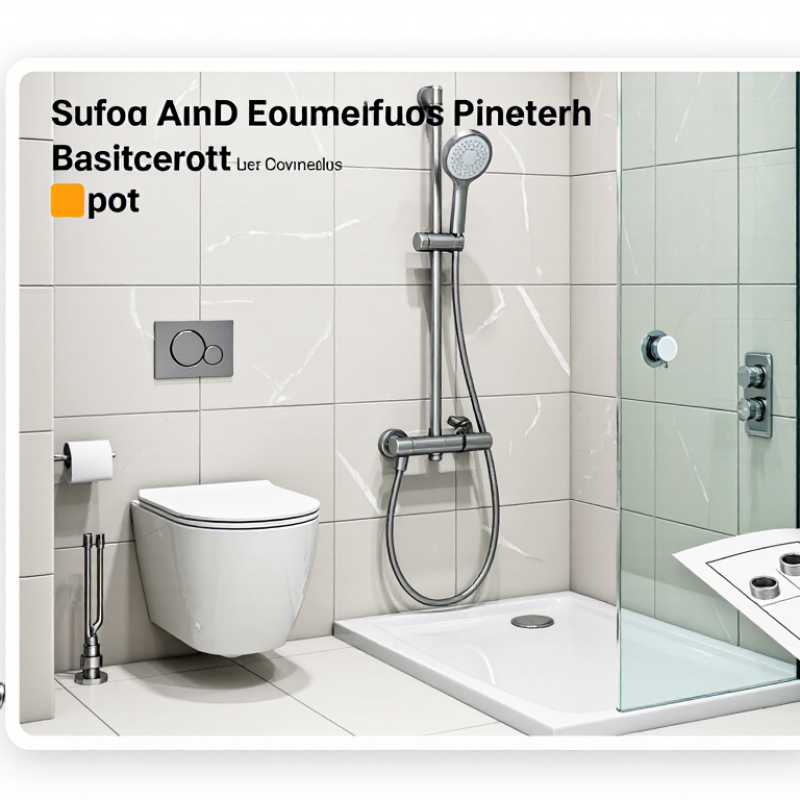
Definition and Main Types of Toilet Showers Made in China
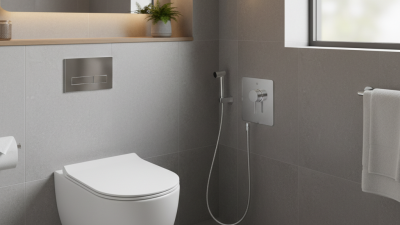
A toilet shower is a water-based cleansing fixture installed beside or within a toilet. It directs a controlled stream of water for personal hygiene after toilet use. In Chinese product listings, the term can describe several designs rather than one fixed product. A small distinction matters.
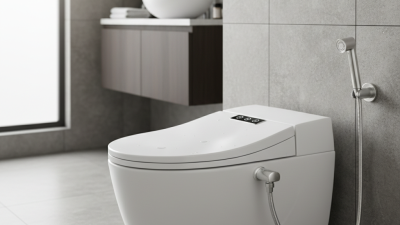
The handheld type connects to a hose and a nearby valve, with a trigger controlling the spray. It is usually straightforward to install and can serve more than one cleaning task. A bidet seat places a nozzle and controls on the toilet itself. Depending on the model, users may adjust spray position, water pressure, or temperature. These features add convenience, but they also mean more parts to inspect and maintain.
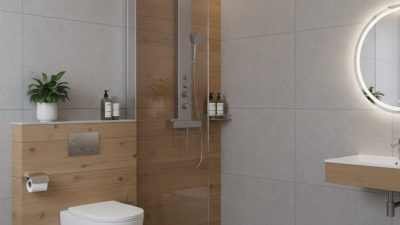
Wall-mounted systems keep the hose or spray head on a bracket beside the toilet, while concealed installations hide some plumbing inside the wall. The categories are not perfectly tidy; controls and installation styles can overlap. For a clear comparison, check connection size, hose length, nozzle material, water-pressure range, and whether temperature adjustment is available. Ask suppliers how each product is tested for leaks and how replacement parts are sourced. A neat finish is useful, but easy servicing matters too.
Common Toilet Shower Types: Typical Feature Comparison
Toilet showers range from simple handheld sprayers to bidet functions integrated into an electronic seat or toilet. This comparison shows typical feature presence, not product counts or market shares; configurations vary by model.
China’s Supplier Landscape: OEM, ODM, and In-House Manufacturing
China Top Toilet Shower Manufacturers and Suppliers
China’s Supplier Landscape: OEM, ODM, and In-House Manufacturing
China’s toilet shower suppliers commonly work through OEM, ODM, or in-house manufacturing models. With OEM, buyers provide drawings, specifications, and branding requirements; the factory builds to that brief. ODM suppliers offer existing designs that may be adjusted, such as spray patterns, hose lengths, or finishes. This can speed development, though customization may be narrower than expected.
Some suppliers manage molding, assembly, and testing under one roof. Others use partner workshops. Neither model guarantees better quality. Ask who makes the valve body, how pressure and leak tests are recorded, and whether production units match approved samples. Request material specifications for stainless steel, brass, or polymer parts. A factory visit or video walkthrough can clarify the workflow, but documents still matter. Packaging and spare-part support also affect total cost. Comparisons are not always neat. It varies.
Tips: Share a clear specification sheet before requesting a quote. Confirm sample approval, inspection points, lead time, and defect handling in writing. If a supplier cannot explain its test process plainly, pause and ask again.
Product Data: Flow Rate, Working Pressure, Spray Pattern, and Durability
For toilet showers, compare measured flow rate under stated pressure, not a catalogue’s “strong spray” claim. The US EPA WaterSense specification limits qualifying showerheads to 2.0 gallons per minute (7.6 L/min) at 80 psi. This is a useful comparison point, not a toilet-shower requirement. Numbers need context. Suppliers should report flow at more than one inlet pressure, so buyers can see whether a fine rinse becomes weak when household pressure falls. A neat chart can still hide that difference.
Working-pressure data should show both the recommended operating range and the test conditions. Ask whether the reading is taken at the inlet or nozzle; they are not interchangeable. Spray-pattern descriptions also need evidence: request nozzle photographs, pattern consistency checks, and flow readings for each mode. “Wide” sounds appealing, but uneven edge jets can make rinsing less precise. Test it wet. A dry showroom demo tells little.
Durability claims deserve the same scrutiny. ASME A112.18.1/CSA B125.1 offers a recognized framework for plumbing supply fittings, but suppliers should identify the specific tests applicable to their product. Request documented trigger-cycle counts, leakage checks after cycling, and material or corrosion test results. Compare like with like. If a supplier lists “long life” without a method or result, the claim is difficult to verify; even good test data cannot fully reproduce years of mineral buildup and daily handling.
China Top Toilet Shower Manufacturers and Suppliers - Product Data: Flow Rate, Working Pressure, Spray Pattern, and Durability
Indicative product data for toilet shower (handheld bidet sprayer) sourcing. These are general specification benchmarks, not verified specifications for any particular product. Confirm values and test conditions with the supplier.
| Product Data |
Indicative Range or Options |
Test Conditions / Details |
Sourcing Check |
| Flow rate |
Approximately 2.0–5.0 L/min for many handheld sprayer configurations |
Measure at a stated inlet pressure, such as 0.3 MPa, with the trigger fully open. |
Ask for measured flow data and confirm whether a flow restrictor is fitted. |
| Working pressure |
A common stated operating range is approximately 0.1–0.5 MPa; product limits vary. |
Pressure is normally specified in MPa or bar; 0.1 MPa equals 1 bar. |
Request the rated operating range and any maximum-pressure or leakage-test results. |
| Spray pattern |
Typically a focused single spray; some models offer adjustable or softer spray options. |
Pattern depends on nozzle-hole layout, water pressure, and the sprayer design. |
Request a demonstration at the intended pressure and check for uneven jets or dripping. |
| Sprayer body materials |
Common options include ABS or other engineering plastics, and metal-bodied designs. |
Material choice affects weight, finish, corrosion resistance, and cost. |
Confirm the material grade and finish; do not rely on appearance alone. |
| Hose construction |
Common constructions include braided metal exterior with a polymer inner tube; hose lengths often vary by installation kit. |
Hose material, fittings, length, and bend radius can affect service life and installation. |
Request hose material details and pressure, leakage, and flex-test documentation. |
| Durability |
There is no single cycle-life figure that can be assumed for all toilet shower products. |
Relevant checks can include trigger operation, valve leakage, hose flexing, and corrosion resistance. |
Ask for the test method, sample size, cycle count, and pass criteria rather than an unsupported durability claim. |
| Inlet connection |
G1/2 (nominal 1/2-inch BSP) is a commonly used connection option in many markets. |
Connection standards and thread compatibility should be confirmed for the destination market. |
Verify thread type, included adapters, and installation requirements before ordering. |
Applicable Benchmarks: GB/T 23447-2009 and GB 28378-2019
China Top Toilet Shower Manufacturers and Suppliers
Applicable Benchmarks: GB/T 23447-2009 and GB 28378-2019
For buyers comparing Chinese toilet-shower suppliers, standards offer a practical starting point. GB/T 23447-2009 provides a technical reference for shower products, while GB 28378-2019 sets water-efficiency grades for shower heads. Confirm the standards’ scope with an accredited testing laboratory: a toilet-shower assembly may not match every product category. Request the complete test report, not just a grade printed on a carton. Check that the tested model, hose, nozzle, and flow-control parts match the goods being quoted.
Water efficiency matters in regions facing pressure on supplies. WRI’s 2023 Aqueduct Water Risk Atlas reports that 25 countries, home to one-quarter of the world’s population, face extremely high water stress each year. That figure is not a product test, but it explains why verified flow performance matters. A small nozzle can look efficient on a sample and behave differently after installation. I would not assume a high grade guarantees a comfortable rinse; user experience still needs checking.
Tips: Ask suppliers for current reports against GB 28378-2019, test conditions, and model identification. Compare flow and spray feel using the same pressure and setup. Keep a sealed sample for inspection. One imperfect step: documentation can be tedious, but skipping it makes comparisons weaker.
Supplier Evaluation: Quality Audits, MOQ, Lead Time, and Export Records
When comparing China-based toilet shower manufacturers and suppliers, treat an audit as evidence, not a badge. Ask for a recent factory audit and check its date, scope, and corrective actions. During a visit or live video review, look for pressure-test records, leak checks, and clear separation of inspected and uninspected products. Inspect hose connections and spray-head finishes closely. Small defects matter.
Confirm what the minimum order quantity covers: one model, several finishes, or a mixed shipment. A low MOQ can help with a trial, but may exclude custom packaging or fittings. Request a written lead-time breakdown for samples, production, inspection, and shipping preparation. Ask how delays are reported. Get the answer in writing.
Export records can help verify practical experience. Request redacted shipping documents or references for comparable products and destination regions, while respecting customer confidentiality. Check that product descriptions, quantities, and shipment dates are consistent across records. Avoid relying on a polished catalogue alone. It is easy to overlook small details, and I would still leave room for an independent pre-shipment inspection.