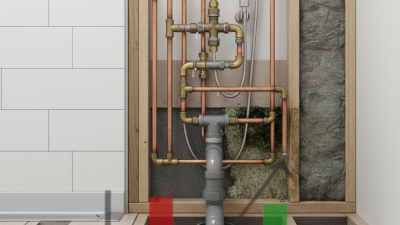
China Best Shower Plumbing Manufacturers for Global Buyers
Global buyers evaluating shower plumbing manufacturers in China need more than a low quotation. They need dependable product quality, clear communication, and production capacity that fits their project. Small details matter. A smooth diverter handle, consistent chrome finish, and neatly packed fittings can influence installation across hundreds of bathrooms.
China’s manufacturing base includes suppliers focused on faucets, shower sets, valves, hoses, and complete bathroom systems. Their capabilities vary, so buyers should compare materials, technical documentation, customization options, inspection processes, and delivery terms. Ask how a factory checks cartridge performance, tests for leaks, and protects finishes before shipment. Request current specifications and sample units where practical. A polished catalog is useful, but it cannot answer every question.
This guide introduces notable China shower plumbing manufacturers for global buyers and outlines practical factors for building an informed shortlist. It considers product range, manufacturing experience, quality management, export support, and responsiveness. Public information, however, may not reveal every operational detail. Verify claims directly. Compare like with like. A supplier suited to a hotel renovation may not fit a distributor’s needs, and even a strong manufacturer can have limitations. That is worth remembering. The goal is not to declare one universal winner, but to help buyers ask better questions, check evidence, and reduce avoidable surprises before placing an order. Supplier selection takes work. A little skepticism helps.
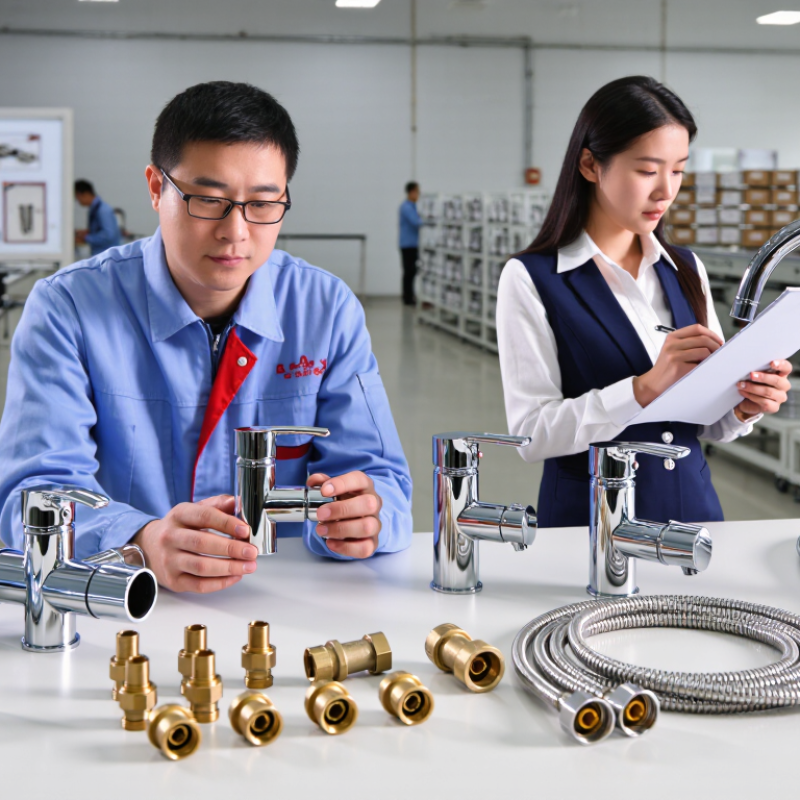
How China’s Shower Plumbing Supply Chain and Manufacturer Types Are Organized
China’s shower plumbing supply chain is a network, not a single production line. Component makers produce valves, cartridges, hoses, and fittings, while assembly factories combine parts into finished shower sets. Some suppliers handle both stages; others rely on nearby workshops for casting, plating, or packaging. That distinction matters.
A buyer may encounter several manufacturer types. Component specialists can offer detailed material choices and tighter control over individual parts. Finished-product manufacturers often simplify coordination and provide assembled samples. Trading companies may connect buyers with multiple factories, but their production oversight can vary. Ask who makes each key component, where assembly happens, and who checks the finished goods.
Practical evaluation starts with a clear specification. Record thread standards, inlet spacing, flow requirements, surface finish, and packaging details before requesting samples. Then test fit, water flow, and handle movement; a polished sample does not prove every production batch will match. Details count. Factory visits or independent inspections can help verify processes, but neither replaces written quality criteria. Supply chains can shift between orders, and that can be inconvenient. Build in time for sample approval and confirm changes before production begins.
Which Shower Systems, Components, and Materials Do Chinese Factories Produce?
Chinese factories produce complete shower systems, including exposed and concealed mixers, thermostatic valves, shower columns, hand showers, overhead heads, hoses, and sliding rails. They also supply cartridges, diverters, brackets, connectors, and replacement seals. Materials vary by component: brass is common in valve bodies, stainless steel in rails and hoses, and ABS in lighter shower heads. Silicone nozzles help users clear mineral deposits by rubbing them.
Material choices matter. The U.S. Geological Survey’s Mineral Commodity Summaries 2025 estimates 2024 global mined copper production at about 23 million metric tons. Copper is a key input for brass, though mined output does not indicate how much goes into plumbing. World Steel Association data puts China’s 2024 crude steel production at 1,005.1 million metric tons, within a global total of 1,882.6 million. These figures describe industrial supply, not shower-product quality.
Buyers should compare the actual alloy, wall thickness, cartridge type, surface coating, and connection dimensions—not just the finish in a photograph. Ask for material declarations and test records tied to the quoted model. Details matter. A polished sample can look excellent, yet tell little about wear after years of hard-water use; I would treat appearance as only one part of the assessment.
How to Compare Factory Capability Through Quality Systems and Product Testing
For global buyers comparing China’s shower plumbing manufacturers, factory capability is more than equipment or a polished showroom. Ask how the quality system controls each stage, from incoming brass and polymer checks to final assembly. Request sample inspection records, material traceability, and calibration dates for gauges. Paperwork is not proof.
Product testing should match real shower conditions. Check whether factories test water pressure, leakage, flow consistency, and temperature cycling. Ask how many units are sampled, how failures are documented, and whether corrective actions are retested. A useful report identifies the product model, test method, date, and measured result. If a test uses a different configuration from your order, its relevance is limited.
During a factory review, compare written procedures with the workbench. Are seals checked before installation? Do inspectors record torque or simply mark a box? Request recent batch records and, where practical, observe a test on a finished unit. A supplier’s report may not represent every shift, so ask how process changes and exceptions are tracked. No system catches everything. The quality of the response after a failed test can reveal as much as a clean report.
China Shower Plumbing Manufacturers: Comparing Factory Capability Through Quality Systems and Product Testing
A practical U.S.-market product-testing benchmark: compare the maximum permitted showerhead flow rates at 80 psi. These are regulatory limits, not factory test results.
When assessing a supplier, ask for flow-test reports showing the test pressure, measured flow rate, sample identification, and pass/fail criteria. Review quality-system documentation separately; a flow result alone does not demonstrate an effective quality system.
Sources: U.S. federal showerhead standard, 10 CFR § 430.32(p) (2.5 gpm); EPA WaterSense Specification for Showerheads (2.0 gpm maximum at 80 psi). Confirm current requirements for the destination market.
How to Verify Water Efficiency: 2.0 gpm WaterSense vs. the 2.5 gpm U.S. Limit
For global buyers, the difference between 2.0 and 2.5 gallons per minute is more than a catalog detail. In the United States, 2.5 gpm is the federal maximum for showerheads when measured at 80 psi. WaterSense sets a stricter 2.0 gpm ceiling and also requires performance testing through an approved certification process. A showerhead below the federal limit is not automatically WaterSense-qualified.
Ask the manufacturer for a test report tied to the exact model number, not just a product family. Check the rated flow, test pressure, test date, and certifier. Confirm that the product’s marking and specification sheet match the report. Pressure matters: a showerhead may deliver less water in a low-pressure bathroom than in a laboratory test. That does not prove its rated flow is wrong, but it can affect the user’s experience. Look for spray coverage and force data, too. The paperwork can look convincing. Verify the details. I have seen specifications copied across similar-looking models, and that is easy to miss. Local requirements may also differ from U.S. rules, so buyers should confirm the destination market’s standards before placing an order.
How Global Buyers Assess Compliance, Export Readiness, Pricing, and After-Sales Support
Global buyers should assess shower plumbing manufacturers through production evidence, not polished catalog pages alone. Request material declarations, pressure-test records, and conformity documents relevant to the destination market. Check that model numbers match across certificates, drawings, product labels, and carton markings. Small mismatches matter. A well-organized file can still contain outdated specifications, so confirm revision dates.
Export readiness appears in practical details. Ask about monthly capacity, lead times, packaging tests, and experience preparing shipment documents. A sample carton can reveal more than a sales promise: inspect its protection around exposed threads, finish surfaces, and fragile components. Clarify whether quotations include tooling, testing, spare parts, and shipping terms. Compare equivalent specifications, not just unit prices. One overlooked finish change can distort the comparison.
After-sales support deserves equal attention. Confirm how the supplier tracks production batches, handles defects, and supplies replacement components. Ask for a named contact, response targets, and clear photo or inspection requirements for claims. Keep these commitments in writing. Even a thorough checklist has gaps; buyers may miss a detail when deadlines tighten. Reviewing a trial order before scaling up can expose issues with dimensions, packaging, or communication while changes remain manageable.