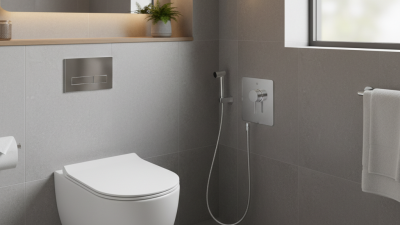
In 2026, global buyers will judge a shower room by more than its visual appeal. They will examine water control, installation quality, accessibility, ventilation, and long-term maintenance. A frameless glass enclosure may suit a compact apartment, while a walk-in shower room can improve movement and cleaning in family homes. Thermostatic systems, anti-slip flooring, low-threshold trays, and water-saving fittings are becoming practical buying criteria, not luxury extras.
Bathroom designer Johnny Grey has described the bathroom as “the most important room in the house.” His observation remains useful because a shower room affects daily comfort, safety, and property value. Yet design preference varies sharply between regions. A buyer in Singapore may prioritise humidity resistance, while a buyer in Northern Europe may focus on heat retention and underfloor comfort. Local water pressure also matters.
This guide examines the leading shower room types expected to attract global buyers in 2026. It compares their layouts, materials, maintenance needs, and installation challenges. Real projects often expose weaknesses that showroom displays hide. Beautiful glass can show limescale quickly. Large-format tiles may reduce grout lines, but they demand precise installation. Smart controls can improve convenience, though repairs may become more complicated.
There is no perfect model. Not every trend deserves a purchase. The strongest choice balances appearance, safety, climate, budget, and reliable after-sales support.
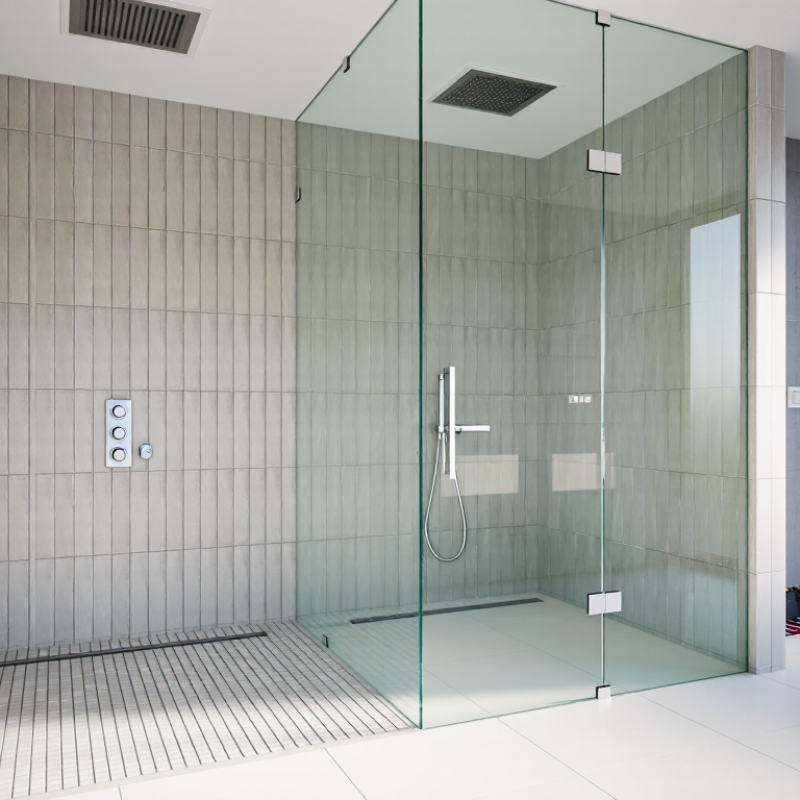
A modern shower room in 2026 is defined by comfort, water control, and flexible access. Global buyers increasingly expect walk-in layouts, low thresholds, and wider clearances. These details support older users, children, and people with temporary injuries. They also make daily cleaning easier. The National Kitchen & Bath Association’s 2024 Design Trends report identifies curbless showers and aging-in-place features as important bathroom priorities. Practical design matters more than decoration.
Water performance is becoming equally important. The U.S. Environmental Protection Agency’s WaterSense program sets an efficient showerhead limit of 2.0 gallons per minute, compared with the federal maximum of 2.5 gallons. Yet local rules differ, so importers should verify regional requirements before specifying fittings. A well-designed room can combine stable pressure, thermostatic temperature control, and reduced water waste. Digital controls may improve precision, but they add maintenance points. That trade-off deserves honest review.
Material choices also define the 2026 shower room. Large-format porcelain reduces grout lines, while textured flooring improves wet-foot traction. Houzz’s 2024 U.S. Bathroom Trends Study reported strong demand for upgraded showers and improved storage, reflecting a shift toward spa-like but functional spaces. However, those findings mainly represent U.S. renovation households. They should not be treated as universal evidence. In humid climates, ventilation, waterproof membranes, and drain positioning may matter more than visual trends. Small mistakes become expensive.
For global buyers, shower room selection should begin with household needs, not appearance. A compact corner enclosure suits apartments with limited floor space. Its sliding door protects nearby toilets and vanities from water. Hinged doors feel more open, but they need clear swing space. Families often prefer a larger walk-in room with a low threshold. This design improves daily movement and cleaning access. It can also support future accessibility changes. Measure carefully. A beautiful enclosure still fails when a towel rail blocks the door.
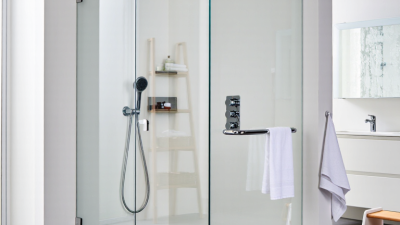
Buyers in colder regions may value framed or semi-framed rooms, because tighter seals reduce drafts and splash leakage. Frameless glass offers a lighter visual effect, yet it demands accurate wall preparation and regular maintenance. For busy households, easy-clean glass, wide drainage channels, and removable seals reduce service work. Steam shower rooms appeal to wellness-focused users, but they require dependable ventilation, waterproof construction, and suitable electrical installation. Local codes matter more than online images. Check glass safety ratings, drainage capacity, anti-slip flooring, and installer qualifications before ordering. These details vary by country.
Older users and people with limited mobility may need a walk-in layout, grab-bar reinforcement, a fold-down seat, and contrasting hardware. Hotels and rental properties often need durable finishes, replaceable seals, and simple controls. Families with children may choose a tub-shower combination, although it uses more space and can be harder to enter. Buyers sometimes overestimate the value of frameless glass. Poor ventilation can ruin an otherwise expensive installation. Design choices should follow climate, users, water pressure, and maintenance habits. Small planning errors become daily annoyances.
In 2026, shower-room selection will depend less on decoration and more on measurable performance. Materials, layouts, and features must suit climate, cleaning habits, and local installation standards. Porcelain panels offer low water absorption and fewer grout lines. Microcement creates a seamless appearance, but repairs can be difficult. Natural stone feels luxurious, yet it needs sealing and careful cleaning. Beautiful does not always mean practical.
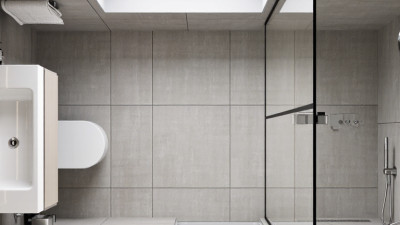
A compact corner shower suits apartments and narrow bathrooms. A walk-in layout improves visual space and simplifies entry, especially for older users. However, it needs accurate drainage and sufficient floor slope. Curved enclosures can save circulation space, while linear drains support larger-format surfaces. I would not specify a doorless design without checking splash control first. Small details matter.
Feature selection should support efficiency rather than create showroom clutter. The U.S. Environmental Protection Agency states that efficient showerheads using 2.0 gallons per minute can save an average family about 2,700 gallons of water annually. Temperature-limiting controls also reduce scalding risks and energy waste. The United Nations Environment Programme reported that buildings produced 37% of global energy-related emissions in 2022, strengthening the case for durable, repairable materials. Digital controls may improve comfort, but they add failure points. A simple mechanical valve can be the wiser choice in regions with unstable power or limited technical support.
2026 Top Shower Room Types for Global Buyers
Comparing shower rooms across global markets requires more than checking glass thickness or visual style. Start with the room’s daily use, climate, plumbing position, and installation skill. Wet rooms suit compact urban homes and wheelchair access, but they demand accurate floor gradients and reliable waterproofing. Enclosed shower rooms control splashing better, especially in humid apartments. Prefabricated units can reduce site errors, though their fixed dimensions may restrict renovation choices.
Urban demand matters. UN DESA’s World Urbanization Prospects projects that 68% of the world’s population will live in urban areas by 2050. Smaller homes will influence shower-room selection. Measure the clear internal space, door swing, drainage route, and ventilation path before comparing prices. A 900-millimeter enclosure may look adequate in a showroom, yet feel narrow beside a towel rail or inward-opening door. Details matter.
Compare total ownership cost, not only purchase price. Include waterproofing, delivery, labor, replacement seals, cleaning time, and energy use. The U.S. Environmental Protection Agency reports that WaterSense-labeled showerheads use no more than 2.0 gallons per minute, compared with the federal standard of 2.5 gallons. Local water pressure can still change the experience. This is where comparisons become imperfect. I would request flow-rate tests and installation drawings, not rely on catalog images. The International Code Council’s accessibility guidance also shows why thresholds, grab-bar reinforcement, and turning space deserve early review. A beautiful room can fail in daily use.
2026 Top Shower Room Types for Global Buyers
Selection Criteria for Budget, Space, Style, and Installation
Choosing a shower room begins with the available budget, not the product photo. A compact enclosure may reduce material costs and suit apartments, guest bathrooms, or narrow renovations. However, cheaper hinges, seals, and drainage parts can increase maintenance later. Set aside money for delivery, waterproofing, local labor, and unexpected wall repairs. A realistic budget protects the project from rushed decisions.
Measure the room in millimeters, including door clearance, ceiling height, pipe positions, and ventilation space. A corner shower room often saves floor area, while a walk-in design needs careful splash control. Sliding doors can help in tight rooms. Hinged doors feel more open but require a clear swing path. I have seen attractive layouts fail because the basin blocked the entrance. Measure twice.
Style should support daily use. Clear glass creates visual space, while textured glass offers more privacy and hides water marks. Matte surfaces can look calm, but some finishes show limescale quickly in hard-water regions. Installation quality matters more than appearance alone. Check wall strength, floor level, drain capacity, and waterproofing details before delivery. Use a qualified installer familiar with local building, plumbing, and electrical requirements. Instructions may look complete, yet they cannot predict every uneven wall or hidden pipe. That is where careful judgment matters.
Comparison guide for residential projects. Budget figures are indicative 2026 mid-market estimates in USD for the shower enclosure and standard installation, excluding major plumbing relocation, structural alterations, luxury fittings, taxes, and local labor-rate differences.
| Shower Room Type | Typical Footprint | Common Door Configuration | Indicative Product Budget | Typical Installed Budget | Recommended User Space | Space Efficiency | Style Profile | Installation Complexity | Key Advantages | Main Considerations | Best For |
|---|---|---|---|---|---|---|---|---|---|---|---|
| Quadrant Shower Enclosure | 800–1000 mm wide 800–1000 mm deep |
Curved sliding door | $250–$900 | $650–$1,800 | Compact bathrooms with limited circulation space | ★★★★★ | Practical, soft-edged, contemporary | Low–Medium | Uses corner space efficiently; sliding door needs no outward clearance; widely compatible with standard bathroom layouts. | Curved glass can be more difficult to replace; interior width may feel limited for larger users. | Budget-conscious buyers, apartments, guest bathrooms, and compact renovations. |
| Square Shower Enclosure | 800–1200 mm wide 800–1200 mm deep |
Pivot, hinged, or sliding door | $300–$1,100 | $700–$2,000 | Small to medium bathrooms with a regular corner or wall position | ★★★★☆ | Clean, versatile, minimalist | Low–Medium | Simple geometry; broad product availability; easier measurement and replacement than curved formats. | Hinged doors require a clear opening zone; smaller models can restrict elbow room. | General residential projects seeking a balanced price and straightforward installation. |
| Rectangular Shower Enclosure | 800–1200 mm wide 1000–1600 mm deep |
Sliding, pivot, or hinged door | $450–$1,500 | $900–$2,700 | Medium to large bathrooms where extra length is available | ★★★★☆ | Spacious, architectural, modern | Medium | Provides more shoulder and movement space while fitting efficiently against a wall or into a corner. | Needs accurate wall measurements; longer glass panels can increase delivery and handling requirements. | Family bathrooms, primary bathrooms, and buyers prioritizing comfort without a full wet room. |
| Walk-In Shower | Minimum practical zone: about 900 × 1200 mm Comfortable zone: 1000 × 1500 mm or larger |
Usually open entry with a fixed glass screen | $500–$2,000 | $1,200–$4,000 | Medium to large bathrooms with sufficient splash-control distance | ★★★☆☆ | Open, premium, accessible-looking | Medium–High | Creates a visually larger room; fewer moving parts; convenient access for many users. | Requires careful drainage, waterproofing, slope, and screen positioning to control splash and drafts. | Modern homes, accessible-design projects, and buyers seeking a spacious appearance. |
| Neo-Angle Shower Enclosure | Common footprint: 900–1200 mm per side | Hinged or pivot door on a clipped front corner | $350–$1,300 | $800–$2,400 | Bathrooms where a square enclosure would obstruct the entry path | ★★★★☆ | Space-saving, geometric, distinctive | Medium | Cuts off a corner to improve circulation; offers a more generous entry than many compact curved units. | Requires precise five-sided measurement; door swing and glass layout must be coordinated with nearby fixtures. | Irregular layouts, narrow bathrooms, and renovation projects with circulation constraints. |
| Alcove Shower Room | Typical width: 900–1500 mm Typical depth: 800–1200 mm |
Sliding, pivot, or hinged door across the front | $400–$1,600 | $900–$3,000 | Three-wall recesses or spaces designed specifically for a shower | ★★★★☆ | Integrated, orderly, adaptable | Medium | Uses existing walls efficiently; supports built-in storage, niches, and multiple door styles. | Wall alignment and waterproofing quality are critical; uneven walls can complicate door sealing. | New-build bathrooms, family homes, and projects with a dedicated shower recess. |
| Wet Room | Minimum practical shower zone: about 900 × 1200 mm Full room sizes vary widely |
Open entry, partial screen, or no screen | $800–$3,500 | $2,000–$7,000+ | Medium to large rooms with a properly designed drainage area | ★★★☆☆ | Seamless, high-end, minimalist | ★★★★★ | Flexible layout; excellent visual continuity; can support level-access and universal-design goals. | Needs complete tanking or membrane waterproofing, correctly formed falls, suitable drainage, and careful splash management. | Premium renovations, accessible bathrooms, hospitality-style interiors, and new construction. |
| Barrier-Free Shower | Preferred clear area: approximately 1000 × 1500 mm or larger | Open entry or wide hinged door | $700–$3,000 | $2,000–$6,000+ | Bathrooms planned for wheelchair access, seated showering, or future adaptability | ★★★☆☆ | Functional, inclusive, understated | ★★★★★ | Improves access and maneuverability; can accommodate grab bars, seats, and handheld shower controls. | Requires careful clearances, floor transitions, drainage capacity, reinforcement, and compliance with local regulations. | Multigenerational homes, accessible housing, aging-in-place projects, and healthcare-related settings. |
| Compact Shower Pod | Approximately 800–1000 mm wide 800–1000 mm deep |
Integrated sliding, folding, or hinged door | $600–$2,000 | $1,200–$3,500 | Very small bathrooms, modular buildings, and fast-fit refurbishment projects | ★★★★★ | Compact, modular, utilitarian | Medium | Pre-engineered components can shorten site work; compact dimensions suit highly constrained spaces. | Interior comfort and customization are limited; access routes and connection points must be checked before delivery. | Micro-apartments, worker accommodation, modular projects, and rapid renovation programs. |
| Luxury Frameless Enclosure | Commonly 1000–1600 mm wide 900–1500 mm deep |
Large hinged, pivot, or sliding glass door | $1,000–$4,000 | $2,000–$6,500+ | Medium to large bathrooms with stable, accurately finished walls | ★★★☆☆ | Premium, transparent, spa-inspired | High | Maximizes visual openness; thick tempered safety glass creates a refined architectural appearance. | Requires accurate walls and strong fixing points; heavier glass demands professional handling and installation. | High-end residential interiors, design-led renovations, and buyers emphasizing visual impact. |
Planning reference: verify local building codes, safety-glass requirements, accessibility standards, electrical zones, drainage rules, and available installer expertise before purchase. Exact dimensions and costs vary by country, material specification, site condition, and labor market.