2026 Best Bathroom Trends for Global Buyers to Consider?
As we approach 2026, the bathroom industry is evolving rapidly. Renowned interior designer Sarah Mitchell emphasizes, "The bathroom is not just a functional space; it's a personal retreat." This perspective makes it crucial for global buyers to stay updated on the latest trends that can enhance both utility and comfort in bath rooms.
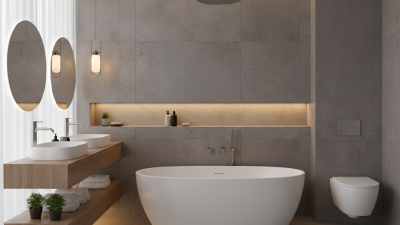
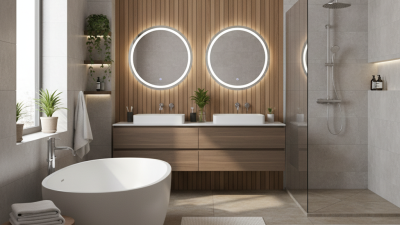
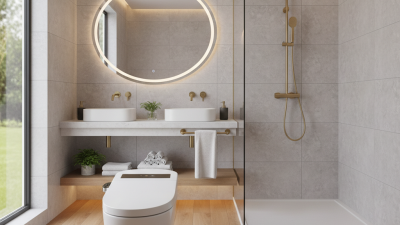
Current trends reflect a shift towards sustainability and smart technology in bath rooms. Buyers are increasingly drawn to eco-friendly materials and fixtures that reduce water usage and energy consumption. Floating vanities, tactile surfaces, and warm, neutral colors are gaining popularity. These elements create a soothing atmosphere that promotes relaxation.
However, not every trend suits every bath room. Some may find open shelving impractical for storage. Others might struggle with maintaining intricate tile designs. It’s essential to balance trends with personal preference and functionality. By doing so, buyers can create a bath room that is not only stylish but also meets their specific needs, making it a genuine sanctuary in the home.
2026 Color Palette Trends for Modern Bathroom Designs
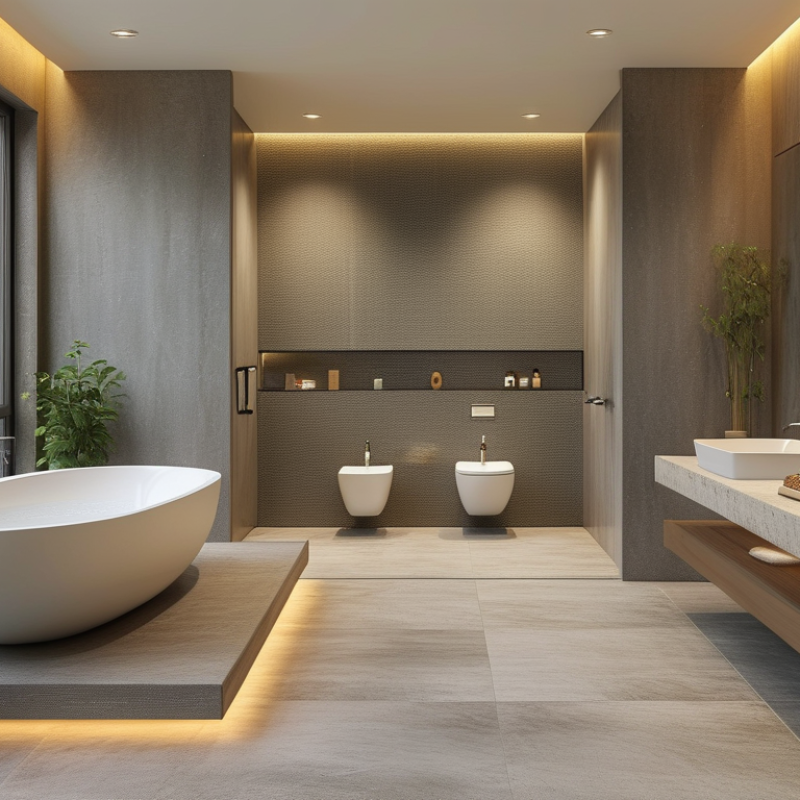
As we look towards the bathroom trends of 2026, color palettes are gaining significant attention. According to a recent report by the National Kitchen and Bath Association, neutral tones will reign supreme. Shades like soft beige, light gray, and creamy whites dominate modern bathroom designs. These colors create a serene environment conducive to relaxation.
However, bold accents are making waves as well. Rich jewel tones such as deep emerald, sapphire blue, and warm terracotta are emerging as popular choices. A survey indicates that 38% of homeowners are leaning towards these vibrant colors to add personality to their spaces. These deeper hues can draw the eye and make even a small bathroom feel luxurious.
In the quest for a balanced aesthetic, it's crucial to consider how colors can influence mood. Studies show that lighter shades promote tranquility, while darker tones can invoke a sense of intimacy. Many designers suggest using deep colors sparingly. This can lead to an overpowering effect if not paired thoughtfully. Striking a balance between calming and invigorating colors will be essential in creating the perfect bathroom retreat.
2026 Best Bathroom Trends for Global Buyers to Consider
| Trend |
Description |
Color Palette |
Materials |
| Biophilic Design |
Integrating natural elements for a calming atmosphere. |
Earthy greens and soft browns. |
Recycled wood, stone, and plants. |
| Minimalist Fixtures |
Sleek, uncluttered designs that focus on functionality. |
Monochrome shades with pops of color. |
Ceramic and stainless steel. |
| Smart Technology |
Integration of IoT devices for convenience. |
Cool blues and greys. |
Smart glass and high-tech surfaces. |
| Vintage Accents |
Incorporation of retro designs into modern spaces. |
Warm earth tones and pastels. |
Brass fixtures and retro tiles. |
| Spa-Like Atmosphere |
Creating a relaxation space with calming features. |
Soft whites and gentle blues. |
Natural stone and soothing lighting. |
Innovative Materials Shaping the Future of Bathroom Renovations
Innovative materials are transforming bathroom renovations in 2026. Homeowners increasingly prioritize durability and sustainability. For example, recycled materials are becoming mainstream. They offer aesthetic appeal along with eco-friendly benefits. This shift in focus encourages creativity in design. Consider bamboo or reclaimed wood for cabinetry. They provide warmth and uniqueness to any space.
Another trend is the rise of smart materials. These materials respond to environmental changes, improving functionality. Self-cleaning surfaces and antimicrobial coatings are in demand. They reduce maintenance hassle and enhance hygiene, important in today's health-conscious society. However, the cost of these innovations can be a barrier. Not every homeowner can afford high-tech solutions.
Moreover, combining innovative materials with traditional elements creates a unique blend. Concrete finishes paired with vintage fixtures offer a fresh look. This balance can reflect personal style while embracing modernity. Yet, designers must be cautious. What works for one space may not suit another. Tailoring solutions to individual needs is vital in this evolving landscape.
Smart Technology Integration for Enhanced Bathroom Experiences
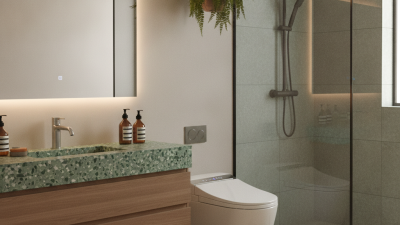
As smart technology becomes more prevalent, the bathroom is evolving into a cutting-edge sanctuary. Smart mirrors with integrated displays allow users to check weather updates or control music with a simple voice command. These features enhance daily routines, making them more efficient and enjoyable. However, reliance on technology can sometimes lead to frustration. Connectivity issues or software glitches can disrupt these convenient experiences.
Moreover, automated lighting systems adapt to user preferences, creating the perfect ambiance for relaxation or productivity. Users can set schedules or adjust settings through smartphone apps. While this advancement offers convenience, it raises questions about potential over-dependence on technology for basic tasks. Does this automation take away from the intimate experience of unwinding in the bathroom?
Incorporating smart faucets and showerheads can also minimize water usage, promoting sustainability. These fixtures can adjust flow rates based on user habits. However, ensuring that these technologies are not overly complex is crucial. If the setup requires extensive troubleshooting, users may feel overwhelmed. Balancing innovation with usability will be key to a positive bathroom experience.
Sustainable Practices in Bathroom Design for Eco-Conscious Buyers
In recent years, sustainable practices in bathroom design have gained significant momentum. Eco-conscious buyers are increasingly seeking options that minimize waste and reduce their ecological footprint. Rainwater harvesting systems can be integrated into bathroom designs to repurpose water for toilets and sinks. Such systems not only save water but also lower utility bills. However, the installation process can be complex and requires careful planning.
Another trend involves the use of eco-friendly materials. Opting for reclaimed wood or recycled tiles can create a unique aesthetic while also promoting sustainability. These materials often come with a story, adding character to any bathroom. Yet, sourcing high-quality reclaimed products can be challenging. It's essential to verify the origin and treatment of such materials to ensure longevity and safety.
Energy-efficient fixtures are also a valuable addition. Low-flow toilets and LED lighting reduce energy consumption significantly, contributing to a greener home. Nevertheless, the upfront investment might be higher compared to traditional options. Buyers should weigh the long-term savings against initial costs. This reflective approach can lead to more informed choices and foster a greater commitment to sustainable living.
Spa-Inspired Trends: Creating a Relaxing Bathroom Retreat at Home
Creating a spa-inspired bathroom retreat at home is more than just a trend; it's a lifestyle choice that enhances wellbeing. Reports show that over 70% of homeowners value their bathrooms as personal sanctuaries. To replicate a soothing spa vibe, consider incorporating natural materials like wood and stone. These elements create an organic feel, promoting relaxation. Soft lighting plays a critical role too. Dimmer switches and warm LED lights can mimic the calming atmosphere of a spa.
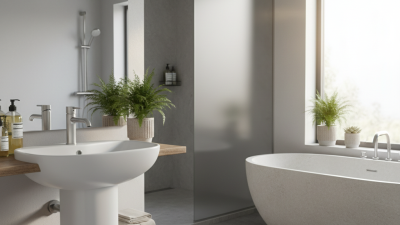
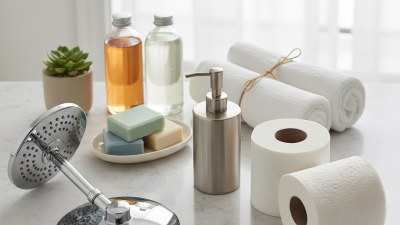
Tips for achieving this look include installing a rain showerhead, which provides a refreshing experience reminiscent of a tropical escape. Additionally, integrating plants can elevate the air quality and add color to the space. According to industry studies, greenery can reduce stress levels by up to 60%. However, this ideal spa bathroom may require more maintenance and effort than expected. Be prepared for the upkeep of natural elements, which may not always be practical.
Mindful consideration of your design choices is essential. Not every feature may align with your daily routine. For instance, while a freestanding tub is beautiful, it may not suit a fast-paced lifestyle. Think about your needs and how each element contributes to your personal sanctuary. Balancing aesthetics and functionality is key in creating a retreat that truly serves you.
2026 Best Bathroom Trends: Spa-Inspired Features