Top 10 Bathroom Supplies You Need for Your Global Sourcing?
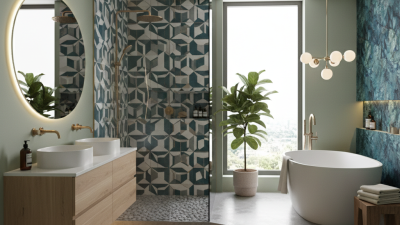
When considering bathroom supplies for global sourcing, it's essential to understand the various needs of different markets. Every region has unique preferences and requirements. This diversity can make it challenging but also quite rewarding. Focusing on quality and practicality will go a long way.
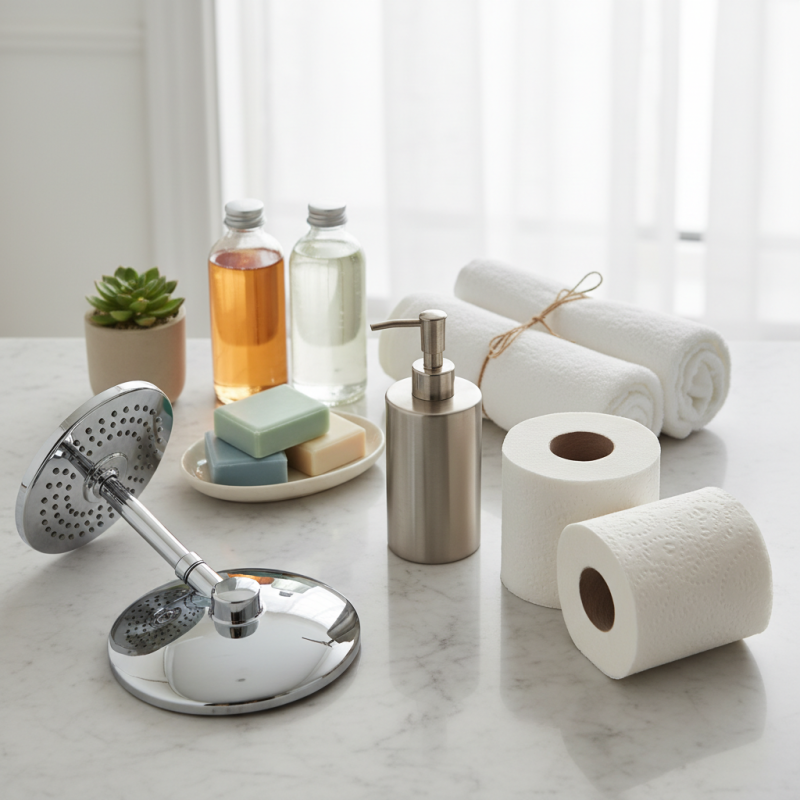
Many buyers overlook the basics. Yet, items like toilet paper, soap dispensers, and showerheads are crucial. Sourcing these essentials can impact customer satisfaction significantly. Often, it’s the small details that matter most. Quality bathroom supplies enhance user experience and build brand loyalty.
Do not underestimate the importance of reliable suppliers. A solid partnership with suppliers ensures consistent supply and quality. However, not all suppliers can meet these expectations. It's crucial to vet them thoroughly. Reflecting on past experiences can help identify the best sourcing strategies. Prioritizing transparency and communication is vital for success in this area.
Essential Bathroom Supplies for Global Sourcing in 2023
When considering essential bathroom supplies for global sourcing in 2023, it's crucial to focus on both functionality and quality. Basic items like towels, toilet paper, and soaps might seem simple, but they vary widely in materials and design. For instance, opting for eco-friendly options can appeal to a broader audience. Choosing biodegradable soap and organic cotton towels reflect current consumer trends.
Shower curtains and bath mats are often overlooked. Diversity in styles and colors can attract different markets. Yet, it’s vital to ensure these products are durable and easy to maintain. Inspecting samples before bulk orders is necessary to avoid potential issues. Sourcing high-quality materials can be a challenge, and not all suppliers meet expectations.
Lastly, consider storage solutions. Baskets and shelves not only help organization but can enhance aesthetic appeal. Materials need to be moisture-resistant and sturdy. However, many designs might not meet the demands of diverse climatic conditions. Each decision impacts customer satisfaction, making careful selection crucial. The sourcing landscape continues to evolve, prompting ongoing reflection on best practices.
Top 10 Bathroom Supplies You Need for Your Global Sourcing
| Item |
Category |
Material |
Average Price (USD) |
Country of Origin |
| Toilet Seat |
Sanitaryware |
Plastic |
15.00 |
China |
| Bathroom Faucets |
Plumbing Fixtures |
Brass |
50.00 |
Italy |
| Shower Curtain |
Textiles |
Polyester |
20.00 |
Turkey |
| Towel Rack |
Storage |
Stainless Steel |
30.00 |
China |
| Bathroom Mirror |
Decor |
Glass |
40.00 |
Germany |
| Soap Dispenser |
Accessories |
Ceramic |
15.00 |
Vietnam |
| Bath Mat |
Textiles |
Cotton |
25.00 |
India |
| Toilet Brush |
Cleaning |
Plastic |
10.00 |
China |
| Shower Mat |
Textiles |
Rubber |
18.00 |
Sri Lanka |
Factors to Consider When Sourcing Bathroom Supplies Worldwide
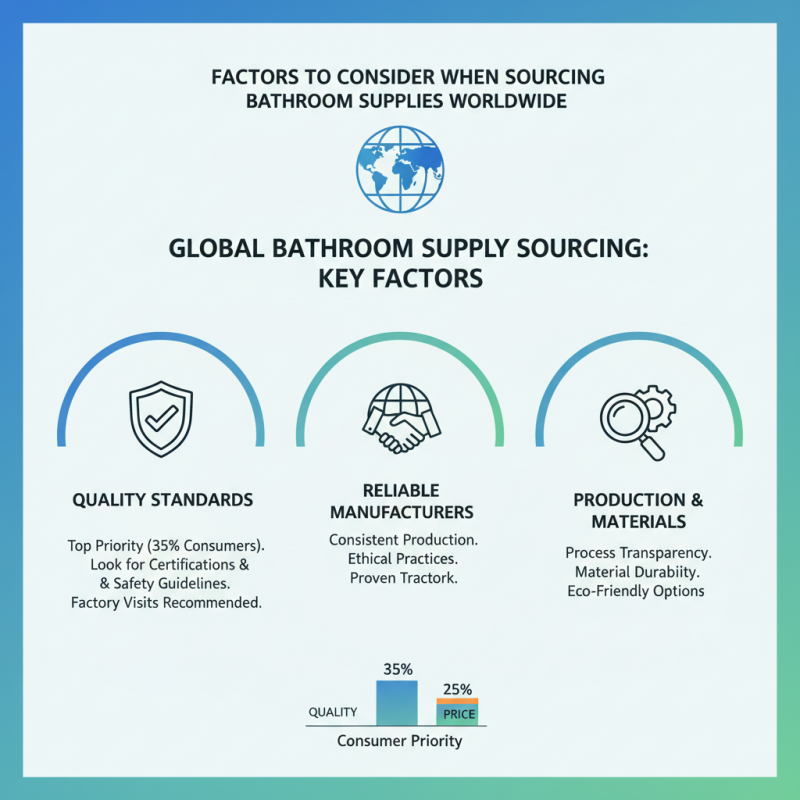
When sourcing bathroom supplies globally, several key factors should be considered. Quality remains a top priority. A recent industry report noted that 35% of consumers prioritize quality over price when selecting bathroom products. Reliable manufacturers often adhere to strict quality standards, ensuring that items meet safety guidelines. Conducting factory visits can provide insights into production processes and materials used.
Another vital aspect is sustainability. According to a 2022 study, 65% of buyers are more likely to choose eco-friendly products. As such, sourcing biodegradable materials and water-efficient fixtures can appeal to environmentally conscious consumers. Building relationships with suppliers committed to sustainable practices can also enhance brand reputation.
Logistics management plays a crucial role as well. Delivery timelines can affect customer satisfaction. On average, delays in shipping can result in a 15% drop in sales. An efficient supply chain strategy can minimize these risks, ensuring timely availability of products. It's essential to evaluate the logistics partners to avoid unexpected challenges. Global sourcing requires careful planning and constant adaptation to market trends. Regularly assessing suppliers based on these factors can lead to more effective sourcing strategies.
Top Materials for Durable and Stylish Bathroom Products
Choosing the right materials for bathroom products can significantly affect durability and style. According to industry reports, the demand for high-quality bathroom supplies is rising. Materials like ceramics, acrylics, and natural stones continue to lead. These materials not only provide longevity but also add an elegant touch to any bathroom design.
For instance, ceramic tiles are popular for their water resistance and ease of maintenance. They account for nearly 40% of bathroom material sales worldwide. On the other hand, acrylic offers a lightweight and durable alternative for sinks and tubs, making it a favored choice among designers. Natural stones such as granite and marble add luxury but require more maintenance.
**Tip:** Always consider your climate when selecting materials. Regions with high humidity may benefit more from materials that resist mold and mildew.
While many choose trendy finishes, it’s essential to balance style with functionality. Some materials, like fake marble, may look good but lack durability. Relying solely on aesthetics can lead to costly replacements in the future.
**Tip:** Conduct thorough research on the longevity of materials before making a purchase. Seek expert advice to ensure choices align with your vision and budget.
Cost-Effective Strategies for Sourcing Bathroom Supplies Globally
When sourcing bathroom supplies globally, cost-effective strategies are crucial. According to the Global Bathroom Supply Market Analysis Report, the sector is projected to grow by 6% annually. This growth highlights the increasing demand for quality products at competitive prices.
One effective approach is leveraging local suppliers in different regions. This minimizes shipping costs and supports faster delivery timelines.
For example, sourcing ceramic tiles from Southeast Asia can lower expenses due to lower labor costs. Additionally, consider bulk purchasing to maximize discounts and optimize shipping costs.
Tip: Use online platforms to compare supplier ratings and customer reviews. This helps ensure the reliability of your sources. Engaging with reputable industry fairs can also provide insights into emerging trends.
It’s essential to stay informed about material standards. Regulations vary significantly from region to region. This can affect your sourcing decisions and product compliance. Ignoring these can lead to potential issues with product safety.
Tip: Establish clear communication channels with suppliers. Regular updates can help manage expectations and ensure product quality. A collaborative approach fosters better relationships and can result in more favorable pricing in the long run.
Sourcing Trends in the Bathroom Supply Market You Should Know
In the evolving bathroom supply market, understanding the latest sourcing trends is crucial. Eco-friendly materials are gaining popularity. Consumers want sustainable products that reduce environmental impact. Biodegradable soaps and recycled materials are now trending choices. This shift reflects a growing consciousness about sustainability.
Consider these tips when sourcing for bathroom supplies. Research suppliers who prioritize green practices. Your choice can resonate with eco-aware consumers. Transparency in sourcing can enhance brand trust. It’s important to verify claims about sustainability. Many companies may exaggerate green initiatives.
Another key trend is the rise of smart bathroom technology. Products that integrate with home automation systems are becoming essential. Touchless faucets and smart mirrors improve user experience. Consumers seek convenience and functionality in their bathrooms.
Be aware of cultural differences in bathroom design and functionality across regions. Preferences can vary greatly. For example, Western markets may favor luxurious designs, while Asian markets might prioritize compact functionality. Understanding these differences can guide better sourcing decisions, ensuring your offerings meet diverse consumer needs.
Top 10 Bathroom Supplies You Need for Your Global Sourcing