What is a Wet Room and Why Should You Consider One?
Wet rooms are becoming increasingly popular in modern home design. According to recent industry reports, the wet room market is expected to grow significantly over the next five years. This growth reflects a shift towards stylish and versatile bathroom spaces. Wet rooms offer a unique blend of functionality and aesthetic appeal, making them a sought-after feature.
These spaces often feature open layouts with no barriers between shower areas and the rest of the bathroom. This design provides a seamless flow that enhances both convenience and safety. Some homeowners find it challenging to maintain the right balance between style and practicality when designing a wet room. Proper drainage and waterproofing are key considerations that cannot be overlooked.
Incorporating a wet room can increase property value, with reports indicating up to a 10% increase in homes with contemporary bathroom designs. However, they can also pose challenges in terms of installation and cost. It's crucial to weigh these factors before making a decision. Wet rooms provide a unique, modern alternative to traditional bathrooms, yet they require careful planning and consideration.
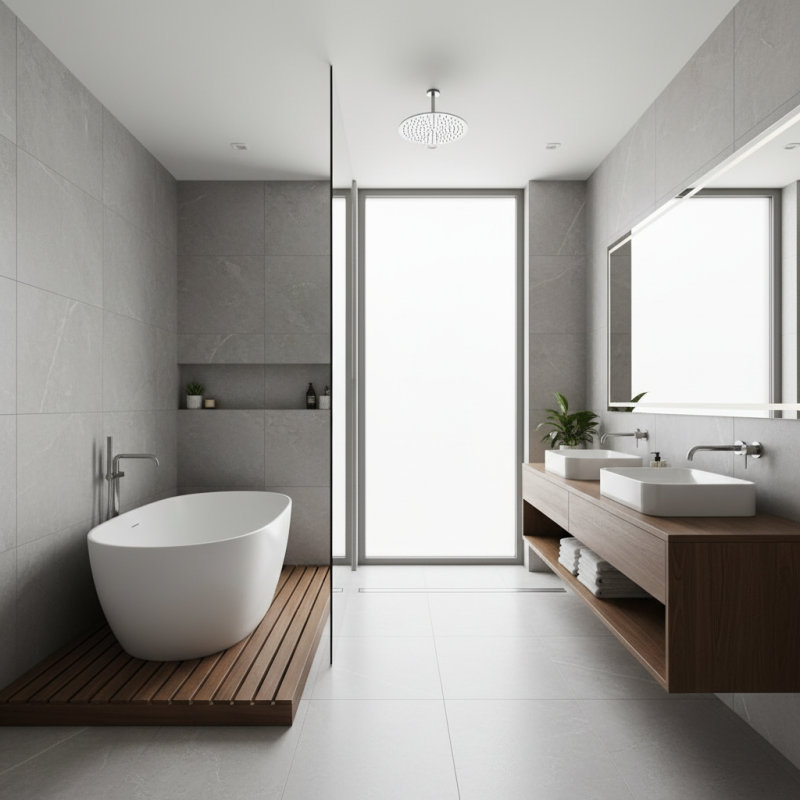
What is a Wet Room: Definition and Key Features Explained
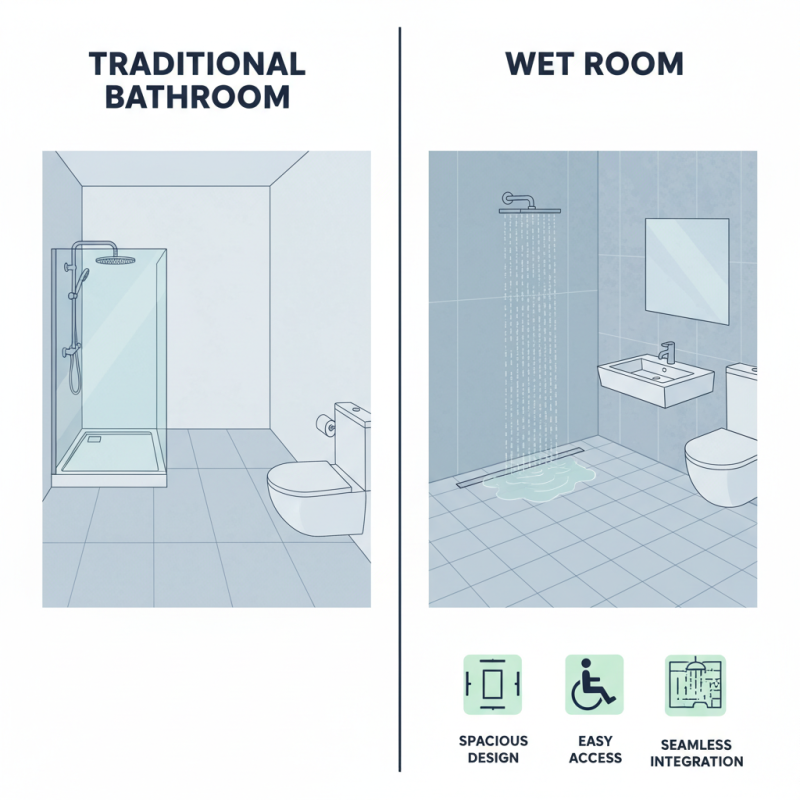
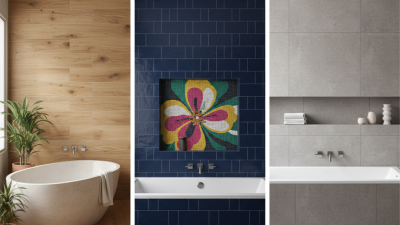
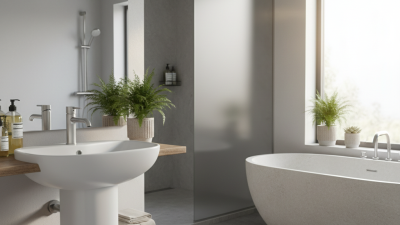
A wet room is a stylish bathroom space where the shower area is open and seamlessly integrated. Unlike traditional bathrooms, wet rooms eliminate barriers like shower doors and curtains. This design creates a spacious feeling. It allows for easier access and promotes mobility, which is essential for elderly and disabled individuals.
According to industry reports, wet rooms can increase a property's value by up to 5%. They appeal to homeowners looking for modern, functional designs. The market has seen a shift, with over 30% of homeowners considering this design feature when renovating. The clean lines and minimalistic aesthetic are also big draws.
However, building a wet room does require careful planning. Proper waterproofing is crucial to prevent leaks. Not all homes are ideal for a wet room. Some may struggle with plumbing and drainage issues. It’s vital to consult professionals to evaluate the existing space. Considering these factors is essential before making any decisions.
The Advantages of Installing a Wet Room in Your Home
A wet room is a modern bathroom design that features a walk-in shower, often without a traditional barrier. This layout maximizes space and enhances accessibility. One major advantage of a wet room is its ability to create a seamless and open environment. There's no need for shower curtains or doors. This design gives your bathroom a sleek, contemporary look.
Another benefit is easier cleaning. With minimal fixtures and no tub edges, keeping the space hygienic is simpler. Wet rooms are typically designed with water drainage in mind. This ensures that water doesn’t pool and cause slips. However, installation requires careful planning. Proper slope and waterproofing are essential. Mistakes can lead to leaks and costly repairs.
Wet rooms can also increase your home's value. Their modern appeal can attract potential buyers who seek trendy features. Yet, they may not fit every home. Some people worry about privacy and temperature control. A well-designed wet room strikes a balance between style and function. The experience can feel luxurious, but you should assess your lifestyle needs.
Key Design Elements to Consider When Planning a Wet Room
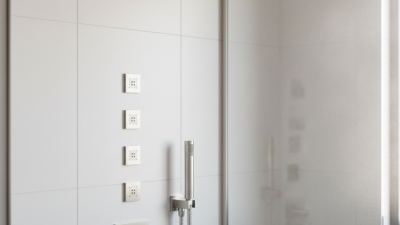
When planning a wet room, several design elements are vital. The layout is key. You need to consider the shower area carefully. A linear drain can enhance the look and function. It keeps the space clean and prevents water pooling. Think about the walls too. Tiles should be waterproof and easy to clean. Large tiles can create a sense of space, but they require precise installation skills.
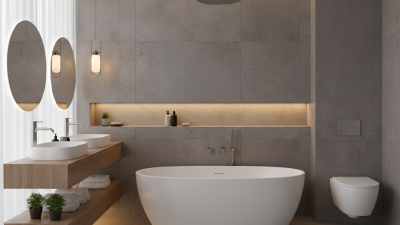
Lighting also plays a crucial role. Recessed lights create a sleek look. Natural light can enhance the ambiance. Consider adding a window, if possible. Ventilation is another important aspect. It helps prevent mold growth and keeps the air fresh. Fans are useful, but they can be noisy. Placement of elements is something to ponder. Fixtures should be accessible but not obstructive.
Finally, think about storage. Wet rooms can lack space for essentials. Open shelving can be practical but may not suit everyone's style. Closed cabinets can look tidy but require more planning. Balancing aesthetics and functionality is a challenge. Your wet room should feel inviting, yet remain practical. It’s about creating a space that works for you.
What is a Wet Room and Why Should You Consider One? - Key Design Elements to Consider When Planning a Wet Room
| Element |
Description |
Considerations |
| Flooring |
Non-slip tiles or vinyl that can withstand moisture. |
Ensure proper drainage; consider underfloor heating. |
| Walls |
Waterproof materials like tiles or wet wall panels. |
Choose durable, mold-resistant products. |
| Shower Area |
An open space without a shower enclosure. |
Plan for privacy and splash zones. |
| Lighting |
Enhanced ambient lighting with waterproof fixtures. |
Consider dimmable options and energy efficiency. |
| Storage |
Shelving or alcoves for towels and toiletries. |
Optimize space while keeping items dry. |
| Ventilation |
Adequate airflow to prevent mold and humidity. |
Install an exhaust fan or windows. |
Industry Statistics on Wet Room Popularity and Market Trends
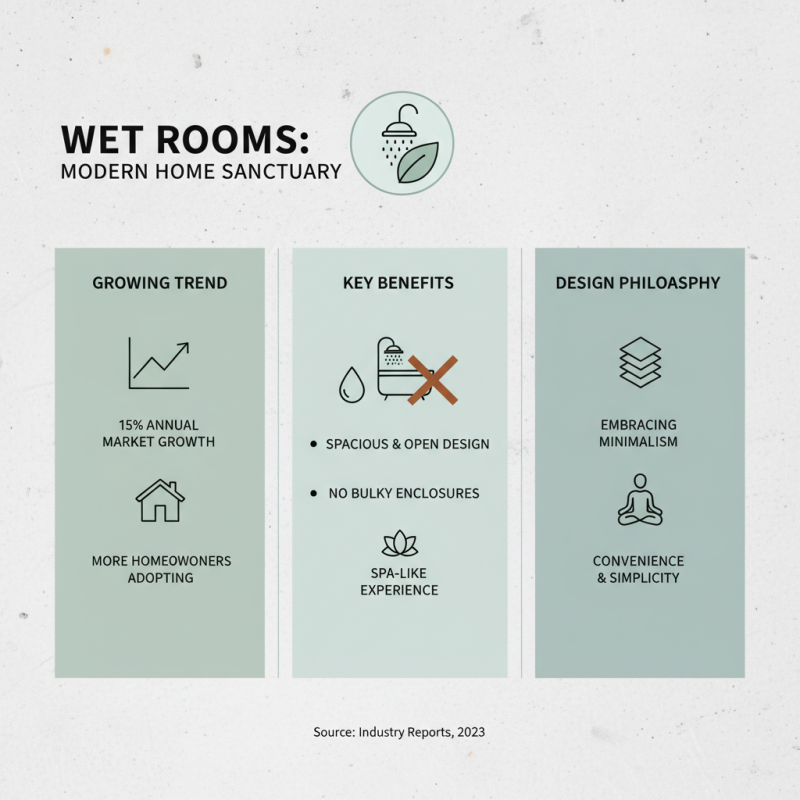
Wet rooms are becoming increasingly popular in modern home design. They are spacious, open, and often provide a spa-like experience. According to recent statistics, the wet room market has seen a steady growth of 15% annually. More homeowners are realizing the convenience of these unique spaces. They eliminate the need for bulky shower enclosures. This trend reflects a broader desire for minimalism in interior design.
The appeal of wet rooms also lies in their accessibility. Many are designed without barriers, making them suitable for people of all ages. This feature is especially important as demographics shift towards an older population. However, some may overlook essential elements, like proper drainage. Without a good drainage system, water can puddle and create other issues.
Market research indicates that wet rooms are now seen as a valuable investment. Homebuyers often seek properties with this modern amenity. However, costs can vary widely based on design and materials. Many are drawn to luxurious finishes, which can lead to budgeting issues. It's crucial to plan carefully and think about long-term maintenance.
Maintenance Tips to Ensure Longevity of Your Wet Room Design
Maintaining a wet room requires attention and care. Regular cleaning is crucial. Use non-abrasive cleaners. Check for mold and mildew regularly. They thrive in humid environments. A small, overlooked area can lead to big problems.
Seal joints and corners diligently. Water can seep through, causing damage. Inspect tiles and grout often. Minor cracks can expand over time. Replace any damaged tiles as soon as possible. This prevents further issues and maintains your room’s appeal.
Ventilation is essential. It helps reduce moisture buildup. Consider installing an extractor fan. Open windows when possible. Proper air circulation can extend the lifespan of your wet room significantly.
Don't neglect to address any leaks promptly. Ignoring small drips can turn into costly repairs later. Keeping a wET ROOM in top condition involves vigilance but pays off in the long run.