2025 Top Tips for Choosing the Best Tub and Tile Options for Your Bathroom
In the quest for an ideal bathroom design, the choice of tub and tile plays a crucial role in both functionality and aesthetics. According to recent industry reports, the global bathroom fixtures market is projected to reach approximately $113 billion by 2025, emphasizing the increasing value homeowners place on high-quality bathroom elements. Selecting the right tub and tile not only enhances the overall look of the space but also contributes to the property's value, making it a significant consideration for both renovations and new constructions.
Additionally, the National Kitchen & Bath Association indicates that bathroom remodels consistently yield high returns on investment, often recouping up to 70% of the costs upon resale. This underscores the importance of careful selection in tub and tile options. With a wide array of materials, styles, and technologies available in the market today, making informed decisions can lead to a stunning and functional bathroom that stands the test of time. As we explore the top tips for choosing the best tub and tile for your bathroom in 2025, it’s essential to consider both current trends and enduring qualities that will deliver satisfaction for years to come.
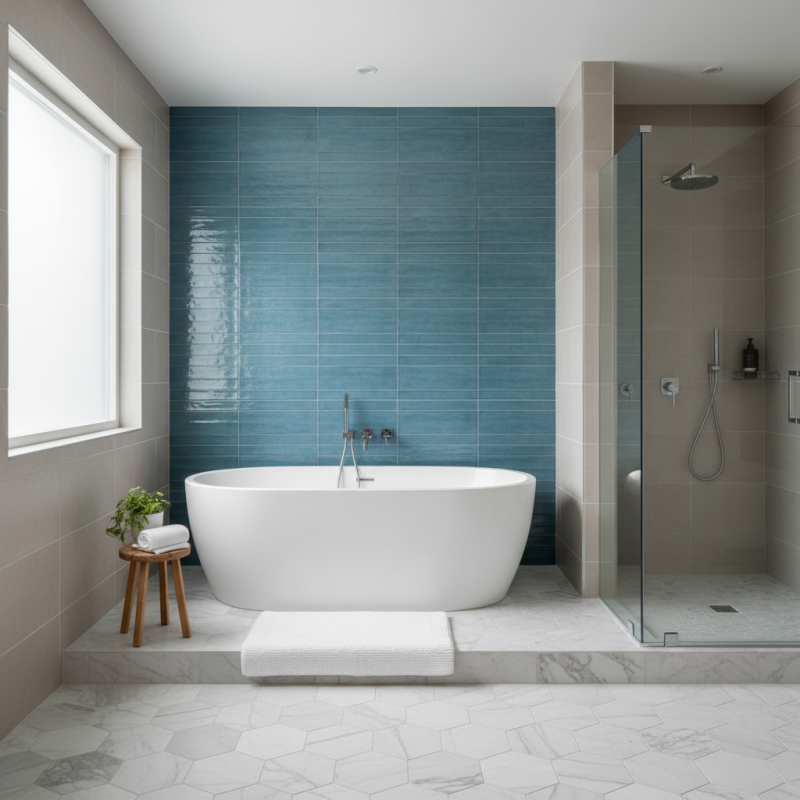
Top Considerations for Selecting Tub and Tile Materials in 2025
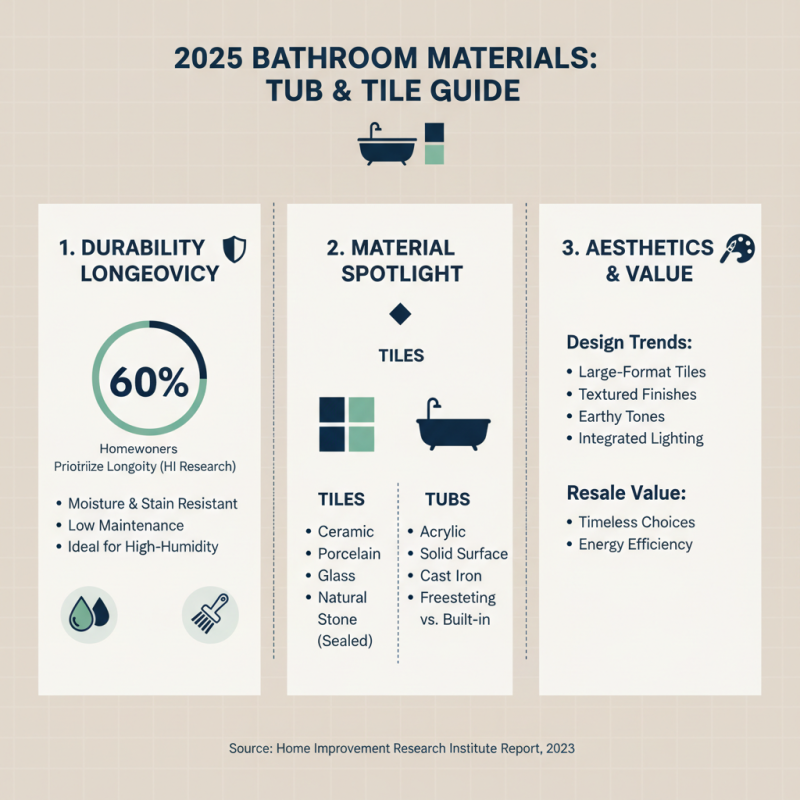
When selecting materials for your bathroom tub and tiles in 2025, there are several key considerations that can greatly influence both aesthetics and functionality. Firstly, durability stands out as a primary feature. According to a recent report from the Home Improvement Research Institute, over 60% of homeowners prioritize longevity when choosing bathroom materials, particularly in high-humidity environments. Materials like ceramic and porcelain tiles offer exceptional resistance to moisture and stains, contributing to a long-lasting, easy-to-maintain finish.
Another crucial factor is sustainability. As more consumers move toward eco-friendly products, the demand for sustainable materials has surged. The Green Building Council reported that the use of recycled materials in bathroom renovations has increased by 50% since 2019. Options such as recycled glass tiles or natural stone not only minimize environmental impact but also contribute to a unique, elegant look that can elevate any bathroom design. Additionally, it's important to consider the slip-resistance of tiles, as safety remains a top priority, with the National Safety Council indicating that slip and fall accidents are prevalent in bathrooms, emphasizing the need for textured and non-slip surfaces.
Evaluating Durability: Comparing Common Tub and Tile Materials
When choosing tub and tile options for your bathroom, durability should be a foremost consideration. Various materials offer different levels of resistance to wear and tear, making it essential to assess their longevity and maintenance requirements. For instance, porcelain tiles are renowned for their strength and low porosity, which makes them resistant to moisture and staining. This quality ensures that they maintain their appearance and functionality over time, making them an excellent choice for high-traffic areas.
Another popular option is acrylic tubs, known for their lightweight and ease of installation. While they can be somewhat less durable than porcelain or ceramic tiles, high-quality acrylic options provide good resistance to chipping and scratching when properly cared for. Additionally, fiberglass is a common alternative; it's affordable and lightweight but may not withstand heavy impacts as well as other materials. Ultimately, examining the specific characteristics of each material will help homeowners make informed decisions that align with their aesthetic preferences and lifestyle needs, ensuring that the bathroom remains both functional and visually appealing for years to come.
Understanding Design Trends: Colors, Patterns, and Texture for 2025
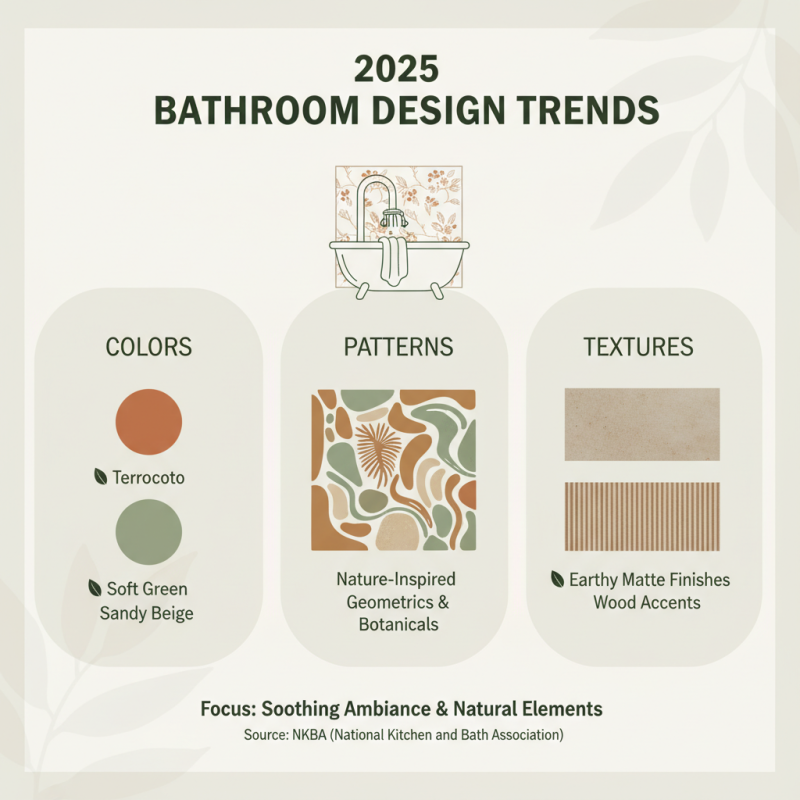
When exploring design trends for 2025, the focus on colors, patterns, and textures in bathroom tubs and tiles is paramount. According to the National Kitchen & Bath Association (NKBA), warm earthy tones are predicted to dominate next year’s color palette, with shades like terracotta, soft greens, and sandy beiges emerging as favorites. Such colors not only promote a soothing ambiance but also reflect a significant shift towards nature-inspired design in modern bathrooms.
In terms of patterns, geometric designs and subtle textures are making a splash. 2025 is likely to see a resurgence of hexagonal tiles and patterned mosaics, offering a visual punch while maintaining an air of sophistication. A recent report from the Tile Council of North America indicates that textured surfaces, which help add depth and dimension, will elevate the overall aesthetic of bathroom spaces without overpowering them.
**Tip**: When selecting tiles, consider integrating a mix of smooth and textured surfaces to create contrast and interest.
Additionally, sustainability is at the forefront of tile materials, with recycled options becoming increasingly popular. Homeowners are now more inclined to choose eco-friendly tiles made from natural materials, minimizing their environmental impact while enhancing their home's aesthetic.
**Tip**: Look for certifications like LEED or GreenGuard when choosing sustainable products for your bathroom renovation.
Cost Analysis: Budgeting for High-Quality Tub and Tile Options
When budgeting for high-quality tub and tile options for your bathroom, understanding the overall cost is crucial. According to a recent report from the National Kitchen and Bath Association, a typical bathroom remodel can range from $5,000 to over $25,000, depending on the quality of materials and fixtures chosen. Investing in durable materials can lead to savings over time, as high-quality tubs and tiles tend to have longer lifespans and require less maintenance.
Tips to consider when selecting materials include prioritizing quality over price. While budget options might initially seem appealing, they often come with higher replacement costs. Moreover, consider the lifecycle cost of the materials; for example, porcelain tiles, although slightly more expensive upfront, offer better durability and resistance to stains compared to cheaper alternatives.
Additionally, it’s essential to factor in installation costs, which can vary significantly based on the complexity of the job and the materials used. According to industry averages, labor costs can make up about 20-30% of your total budget for a bathroom remodel. Hiring a qualified professional can ensure that your investment is well-protected and that the results meet your expectations, ultimately leading to a more satisfying renovation experience.
2025 Top Tips for Choosing the Best Tub and Tile Options for Your Bathroom - Cost Analysis: Budgeting for High-Quality Tub and Tile Options
| Option |
Material |
Average Cost ($) |
Durability (Years) |
Maintenance Level |
| Freestanding Bathtub |
Acrylic |
800 |
10-15 |
Low |
| Alcove Bathtub |
Fiberglass |
600 |
5-10 |
Medium |
| Tile Shower |
Ceramic |
500 |
15-20 |
High |
| Jetted Bathtub |
Acrylic |
1200 |
10-15 |
High |
| Porcelain Tiles |
Porcelain |
4/sq ft |
20-30 |
Low |
Eco-Friendly Choices: Sustainable Materials for Your Bathroom Upgrade
When considering a bathroom upgrade, opting for eco-friendly tub and tile materials can significantly enhance sustainability without sacrificing style. According to a 2022 report from the American Institute of Architects, 79% of homeowners are now prioritizing sustainability in their renovation projects. This shift highlights a growing awareness of the environmental impact of building materials and the necessity for conscientious choices.
Materials like recycled glass tiles provide aesthetic appeal while promoting sustainability. These tiles are typically made from post-consumer products, which not only reduces waste but also lowers the carbon footprint associated with new material production. Similarly, bamboo and reclaimed wood are popular choices for tubs and accents due to their renewability and lower environmental impact.
The Sustainable Flooring and Tile Association reported that opting for bamboo, which grows rapidly and absorbs significantly more CO2 than traditional hardwoods, can help mitigate climate change while offering unique textures and designs for bathrooms.
Moreover, selecting low-VOC (volatile organic compounds) finishes ensures that the renovation process not only respects the planet but also safeguards indoor air quality. Studies show that low-VOC paints and adhesives can reduce harmful emissions by up to 50%, creating a healthier living environment. As sustainability continues to be at the forefront of design trends, these eco-friendly choices for tub and tile will not only elevate the aesthetic value of your bathroom but also contribute positively to the planet’s health.