What Are the Top 10 Bathroom Supplies from China?

China offers a wide and varied manufacturing base for modern bathroom supplies. Its factories produce practical products for homes, hotels, offices, and large construction projects. This guide explores the top 10 bathroom supplies from China, including faucets, shower systems, toilets, basins, cabinets, mirrors, floor drains, accessories, bathtubs, and bidet seats. The selection considers material quality, water efficiency, design flexibility, installation needs, and long-term maintenance. Stainless steel faucets, ceramic basins, and moisture-resistant cabinets are common examples. Small details matter. A smooth cartridge, sealed drain, or reinforced hinge can affect daily comfort.

Quality is not guaranteed by appearance alone. A polished product photo proves very little. Reliable buyers should review factory experience, product samples, inspection records, and relevant compliance documents. Testing may cover leakage, pressure resistance, electrical safety, or surface durability. Requirements can differ between markets, so local regulations deserve careful checking. Supplier communication also matters, especially when discussing packaging, replacement parts, warranties, and delivery schedules. Some manufacturers provide excellent customization, while others may struggle with consistent batches. That weakness is easy to overlook. This overview aims to present useful choices with a practical, evidence-based perspective. It also recognizes that the cheapest quotation may create higher costs through repairs, delays, or difficult installation.
What Are the Top 10 Bathroom Supplies from China?

Bathroom Fixtures and Supplies Commonly Manufactured in China

What Are the Top 10 Bathroom Supplies from China?

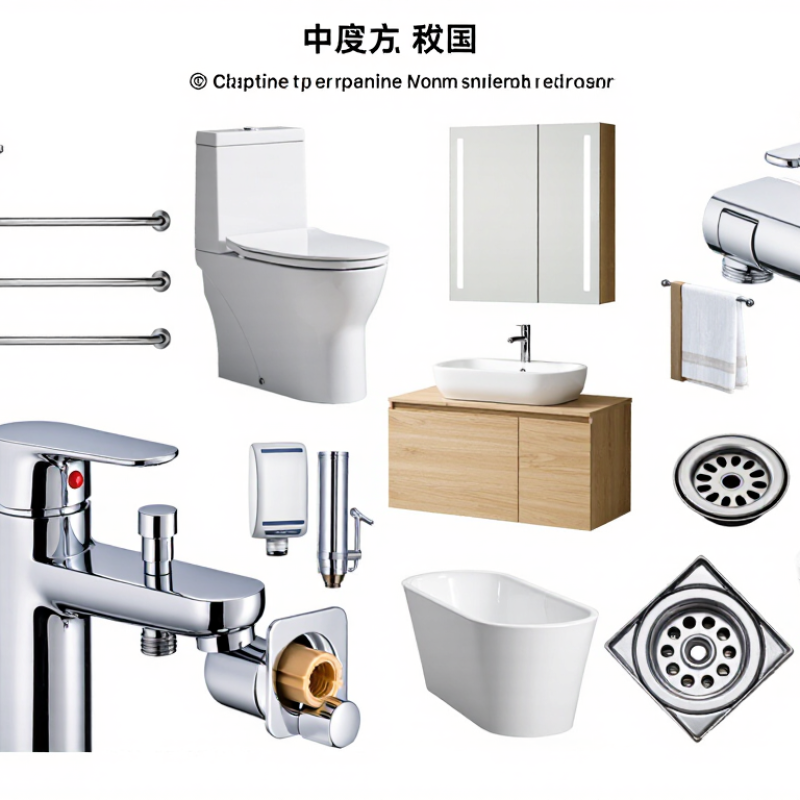
China manufactures a broad range of bathroom fixtures and supplies for residential, hotel, and commercial projects. The ten most common categories include faucets, shower systems, toilets, bidets, wash basins, bathtubs, floor drains, bathroom cabinets, mirrors, and towel accessories. Manufacturers often offer stainless steel, brass, ceramic, glass, aluminum, and engineered stone options. These materials support different budgets, layouts, and moisture conditions.

A reliable sourcing process begins with product specifications, not attractive photos. Check faucet cartridge performance, ceramic glaze consistency, drain size, water pressure limits, and cabinet board thickness. For toilets and shower products, request water-efficiency data and installation drawings. Suppliers should provide relevant test reports and explain whether products meet the destination market’s safety requirements. Sample inspection is valuable. A polished sample can still hide weak hinges or uneven plating.

I would also examine packaging, replacement parts, and warranty procedures before placing a large order. Mirrors need edge protection, while ceramic fixtures require shock-resistant foam and strong cartons. Small errors matter. A basin with an unusual drain position may delay an entire installation. Chinese factories can customize colors, dimensions, and fittings, but customization may increase lead time and minimum order quantities. Some quotes look inexpensive until molds, testing, inland transport, and spare parts are added. Careful buyers compare the complete landed cost and record every approved detail in writing.

Top Chinese Bathroom Supplies by Product Category

What Are the Top 10 Bathroom Supplies from China?

China’s bathroom supply sector covers several practical product categories, not one uniform product line. Ceramic sanitary ware remains central, including toilets, washbasins, bidets, and urinals. Faucets and shower systems follow closely, with demand for thermostatic controls, water-saving aerators, and corrosion-resistant finishes. Grand View Research estimated the global bathroom furniture market at about USD 47.6 billion in 2023, with continued growth through 2030. This supports demand for Chinese bathroom cabinets, mirrors, shelving, and modular storage.

The leading ten categories include toilets, washbasins, bathtubs, shower enclosures, faucets, shower sets, bathroom vanities, mirrors, floor drains, and accessory hardware. Intertek and ISO testing commonly examine leakage, surface durability, load resistance, and chemical safety. These checks matter when comparing ceramic thickness, hinge strength, drainage speed, and finish consistency. Small details matter.

China’s production advantage is strongest in category depth and customization. Buyers can often source matching collections, spare parts, packaging, and private specifications from one manufacturing region. However, catalog claims deserve careful verification. The 2024 Houzz Bathroom Trends Study found that storage and improved shower functionality remain important renovation priorities in major markets. That trend favors vanity units, niche shelves, handheld showers, and concealed drainage products. Still, supplier samples may not reflect full-batch quality. Independent inspections, test reports, and clearly defined tolerances remain necessary. Sometimes, the cheapest quotation hides the cost of replacement parts.

Key Materials and Features of Chinese Bathroom Products

Chinese bathroom products cover ten practical categories: toilets, basins, faucets, showers, bathtubs, cabinets, mirrors, floor drains, towel accessories, and water heaters. Their quality depends heavily on material selection and production control.

Ceramic toilets and basins usually use high-temperature firing for strength and smooth glazing. A dense glaze helps resist stains and simplifies daily cleaning. Faucets often combine brass bodies with stainless steel or ceramic cartridges. These parts should operate smoothly without dripping after repeated use. Shower sets may use stainless steel, brass, or durable engineering plastic. Check the internal seals carefully, because small leaks can damage nearby surfaces.

Tempered glass is common in shower doors and screens. Its thickness, edge finishing, and safety treatment deserve close inspection. Bathroom cabinets may use aluminum, stainless steel, plywood, or moisture-resistant panels. Aluminum resists humidity well, while wood-based panels need reliable edge sealing. Stainless steel 304 suits drains and accessories because it offers useful corrosion resistance. PVC drainage components are lightweight and easy to install, but poor fittings can loosen over time.

From practical sourcing experience, dimensions matter as much as appearance. Confirm pipe sizes, mounting holes, water pressure ranges, and replacement parts before ordering. Factory inspection should include surface checks, water-flow tests, seal tests, and packaging review. Product documentation also needs clear material descriptions and applicable safety compliance. Some polished products look impressive but feel fragile in use. I still find small finish defects occasionally. They remind buyers to inspect samples, not only photographs.

Quality Standards and Selection Criteria for Buyers

What Are the Top 10 Bathroom Supplies from China?

China supplies a broad range of bathroom products: toilets, basins, faucets, shower systems, bathtubs, drains, cabinets, mirrors, bidet seats, and bathroom accessories. Quality varies widely, so buyers should assess more than appearance. Water exposes weak finishes. Inspect ceramic glaze for pinholes, uneven color, and hairline cracks. For faucets, test cartridge movement, plating adhesion, and water-flow stability.

Reliable suppliers should provide material details, factory quality procedures, and recent test reports. Check applicable standards in the destination market, such as water-efficiency, electrical-safety, and chemical-content requirements. Do not accept a generic certificate without verifying its scope and issuing laboratory. Request samples before placing a large order. Test drainage speed, seal performance, cabinet humidity resistance, and mirror clarity under bright light. Check the carton.

A practical inspection should also review dimensions, thread sizes, installation drawings, spare parts, and packaging strength. Stainless steel grades need confirmation, especially for drains and shower components. Ceramic thickness and firing consistency deserve attention too. A polished catalog can still hide weak hinges or poor internal fittings. This is where many buyers become overconfident. Compare several samples, record defects, and agree on measurable acceptance criteria before production. Independent pre-shipment inspection adds useful protection, although it cannot replace clear contracts or supplier communication. Small details matter.

What Are the Top 10 Bathroom Supplies from China? - Quality Standards and Selection Criteria for Buyers
No. Bathroom Supply Common Materials and Configurations Relevant Standards and Certifications to Verify Key Quality Metrics Buyer Selection Criteria
1 Bathroom Faucets and Mixers Brass or stainless-steel body, ceramic cartridge, stainless-steel or braided flexible hoses, chrome, brushed, or powder-coated finishes. GB 18145; EN 817; ASME A112.18.1/CSA B125.1 where applicable; potable-water material requirements for the destination market. Leakage-free operation; smooth cartridge movement; stable temperature control; corrosion-resistant finish; lead content in wetted components must meet the destination-market limit. Confirm inlet size, installation type, working-pressure range, cartridge replacement availability, flow-rate requirements, salt-spray testing, and compatibility with local plumbing connections.
2 Shower Systems and Hand Showers Brass or stainless-steel thermostatic or mechanical mixer, ABS or stainless-steel hand shower, overhead shower, riser rail, and silicone nozzles. EN 1112 for sanitary tapware shower outlets; EN 1111 for thermostatic mixing valves; applicable local plumbing and water-efficiency rules. Uniform spray pattern; anti-limescale nozzle performance; temperature stability; hose-pressure resistance; secure wall mounting; flow rate stated in litres per minute or gallons per minute. Check thermostat response, safety-temperature stop, diverter durability, nozzle-cleaning design, hose length, mounting-hole dimensions, and whether the supplied flow restrictor suits the target market.
3 Ceramic Toilets and Bidet Toilets Vitreous china or sanitary ceramic; two-piece, one-piece, wall-hung, rimless, dual-flush, or washlet-compatible configurations. GB 6952; EN 997 for WC pans with integral trap; EN 14055 for flushing cisterns; ASME A112.19.2/CSA B45.1 where applicable. Even glaze; low visible deformation; reliable flush-valve operation; effective waste removal; low water absorption for vitreous sanitary ware; no leakage from tank, trap, or supply connections. Verify rough-in distance, outlet direction, flush volume, pan dimensions, seat-hole spacing, wastewater compatibility, packaging protection, and local flush-performance requirements.
4 Bathroom Wash Basins and Vanity Sinks Glazed ceramic, vitreous china, solid surface, stainless steel, or glass; countertop, undermount, pedestal, wall-hung, and vessel designs. EN 14688 for sanitary appliances wash basins; GB 6952 for ceramic sanitary ware; applicable plumbing, overflow, and load-resistance requirements. Consistent glaze or surface finish; effective drainage; overflow function where provided; resistance to household chemicals; stable mounting and dimensional accuracy. Confirm tap-hole and overflow configuration, basin depth, drain diameter, mounting template, countertop cut-out tolerance, surface-stain resistance, and protection against corner damage during shipping.
5 Shower Enclosures and Shower Doors Tempered safety glass, aluminium or stainless-steel frames, stainless-steel hardware, magnetic seals, and silicone water barriers. EN 14428 for shower enclosures; EN 12150 for thermally toughened safety glass; local safety-glazing and building-code requirements. Glass thickness commonly ranges from 6 to 10 mm depending on design; smooth door movement; accurate squareness; reliable water retention; corrosion-resistant hardware; properly marked safety glass. Check glass type, edge finishing, adjustment range, opening direction, hardware load capacity, replacement-seal availability, installation tolerances, and carton drop or impact-testing procedures.
6 Floor Drains and Linear Shower Drains Stainless steel, brass, ABS, or polymer concrete bodies; removable grates, hair filters, trap inserts, and adjustable-height frames. EN 1253 for floor gullies and roof drains; applicable drainage, odour-seal, fire, and load-classification requirements in the destination market. Adequate drainage capacity; effective odour and pest barrier; watertight body and joints; grate load resistance; corrosion resistance; removable and cleanable filter components. Confirm outlet diameter, installation height, trap depth, waterproofing-flange design, tile-insert compatibility, cleaning access, grate load class, and compatibility with the local drainage system.
7 Bathroom Cabinets and Vanities Moisture-resistant plywood, medium-density fibreboard, stainless steel, aluminium, solid wood, or engineered panels with laminate, veneer, or painted finishes. EN 14749 for domestic storage furniture where applicable; formaldehyde-emission requirements such as E1 or the destination-market equivalent; applicable furniture stability and wall-mounting requirements. Moisture-resistant substrate; sealed panel edges; stable doors and drawers; corrosion-resistant hinges and runners; load-bearing wall brackets; consistent finish adhesion and colour. Request panel thickness, moisture and swelling test data, hardware cycle testing, wall-load information, basin cut-out drawings, packaging specifications, and spare-hardware support.
8 Bathroom Mirrors and LED Mirrors Silvered or copper-free mirror glass, aluminium backing, moisture-resistant housing, LED modules, touch switches, demister pads, and optional sensors. EN 1036 for silvered glass mirrors where applicable; IEC 60598-1 for luminaires; IEC 60529 ingress-protection testing; destination-market electrical safety and EMC requirements. Uniform reflection without distortion; sealed rear coating; stable colour temperature; electrical insulation; suitable IP rating for the installation zone; safe heat dissipation. Verify glass thickness, mirror backing, colour-rendering specification, wattage, voltage and frequency, IP rating, cable exit position, demister performance, mounting method, and certification for the destination country.
9 Bathroom Accessories and Grab Bars Stainless steel, brass, aluminium, zinc alloy, or reinforced polymer; towel bars, robe hooks, toilet-paper holders, shelves, and support rails. EN 12150 or equivalent safety-glass requirements for glass shelves; ISO 9227 salt-spray testing as a corrosion-test reference; applicable accessibility and grab-bar requirements. Secure anchoring; smooth and burr-free edges; coating adhesion; corrosion resistance; suitable load capacity; reliable welds, joints, and concealed fixing components. Specify base material rather than surface appearance alone, confirm load ratings, mounting-screw type, wall-substrate compatibility, salt-spray test duration, coating thickness, and availability of installation templates.
10 Electronic Bidet Seats and Smart Toilet Components Heated seat, warm-water washing, air drying, deodorizing filter, night light, control panel or remote, and integrated safety sensors. IEC 60335-1 and relevant household-appliance standards; IEC 60529 for ingress protection; destination-market electrical, EMC, and water-contact requirements. Stable water and seat temperature; residual-current and overheat protection; reliable nozzle sanitation; leak-free water connections; low standby power; clearly stated IP rating and electrical load. Match voltage and frequency, plug type, water pressure, toilet-pan geometry, circuit protection, installation-zone rules, remote-control language, filter replacement needs, and after-sales repair requirements.
Standards and performance requirements should be confirmed against the latest edition and mandatory regulations of the destination market before purchase or shipment.

How to Source and Evaluate Bathroom Supplies from China

China offers a wide range of bathroom supplies, including faucets, shower systems, toilets, bidet seats, sinks, drains, mirrors, cabinets, towel accessories, and water heaters. Sourcing these products requires more than comparing catalog photos. Product quality can vary between factories, even when specifications look identical.

Request a sample before placing a large order. Check the faucet’s cartridge, surface coating, thread size, and water pressure performance. For toilets, inspect flushing strength, ceramic thickness, glaze consistency, and leakage points. Stainless steel drains should show accurate dimensions and clean welding. Cabinet panels need moisture resistance, especially around sink cutouts. Small details matter.

Ask suppliers for material reports, factory photographs, inspection records, and applicable test documents. Confirm production capacity, packaging methods, lead times, and replacement policies in writing. A video call can reveal useful details, such as crowded workspaces or unfinished stock. However, it is not a complete audit. Independent inspection remains valuable before shipment.

I would compare at least three samples using the same checklist. Record defects with clear photographs and measurements. Payment terms deserve careful review. Cheap pricing can hide thin materials, weak packaging, or inconsistent finishing. I once underestimated packaging costs, and damaged corners reduced the real savings. That mistake still influences my evaluation process. Allow room for corrections. Expect them.