Top Tips for Choosing the Best Shower Faucets for Your Home?
Selecting the right shower faucets is an important decision for any homeowner. These fixtures combine functionality with design. Choosing well can enhance your bathroom experience.
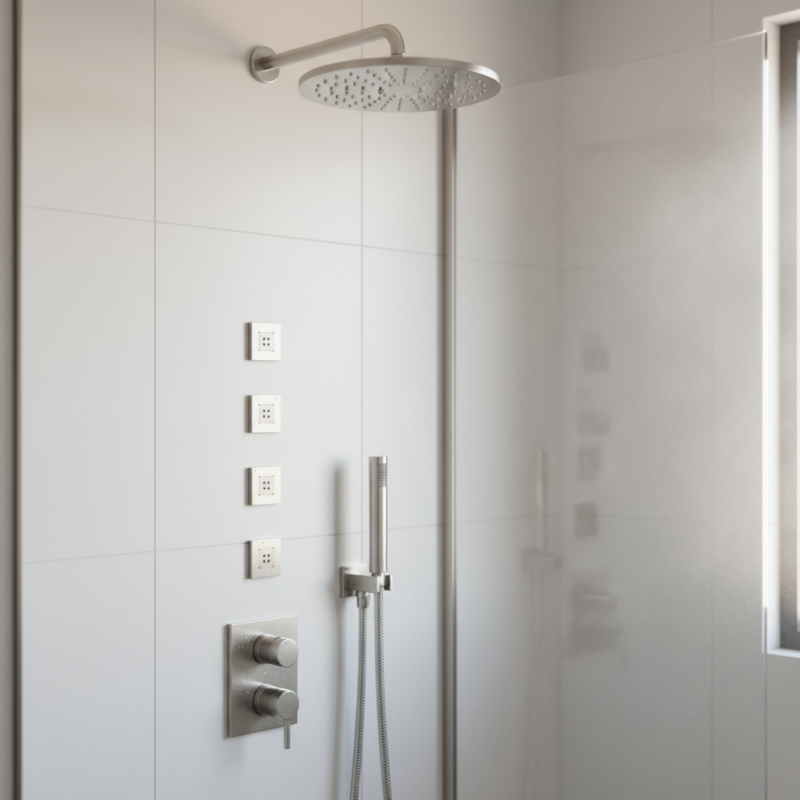
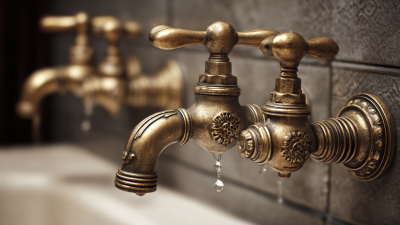
When considering shower faucets, think about style and comfort. They come in various designs, from modern to classic. You might want a sleek look that matches your decor. Or, perhaps, a more traditional model that adds charm. Make sure your choice feels comfortable in your hand. The right faucet should deliver a pleasant showering experience.
Don’t forget about water efficiency. Choosing the best shower faucets can save you money in the long run. Look for models that reduce water usage without sacrificing pressure. Reflect on your daily routine. Think about how often you use the shower and how those choices impact your bills.
Factors to Consider When Selecting Shower Faucets for Your Home
Choosing the right shower faucet can transform your bathroom experience. One key factor to consider is water pressure. Higher pressure can enhance your shower but may require specific faucet types. Measure your water flow to ensure compatibility. A faucet that doesn’t suit your pressure can lead to disappointing showers.
Another important aspect is the material. Metal faucets tend to be more durable than plastic options. However, they may require more maintenance. A shiny finish can look appealing initially but shows water spots and fingerprints easily. Be realistic about your cleaning habits when choosing a finish.
Lastly, think about style and design. Your faucet should complement your bathroom decor. Modern designs can clash with traditional aesthetics, leading to an inconsistent look. Keep practicality in mind; some styles may not be user-friendly. Consider how easily each model can be operated, especially with wet hands. Reflect on how these choices can impact your daily routine.
Types of Shower Faucets: Understanding Different Styles and Mechanisms
Choosing the right shower faucet can seem daunting. There are various styles and mechanisms to consider. A recent industry report indicates that over 60% of homeowners prefer single-handle faucets. They are easier to operate and save space in smaller bathrooms. Single-handle designs are often less complex, reducing installation headaches.
You might also explore thermostatic faucets, which maintain water temperature. This is crucial for safety, especially in families with children. About 40% of buyers report prioritizing temperature control features. However, they require a more complicated setup and may lead to installation frustration.
Then there are pressure-balanced faucets. They adjust the flow of hot and cold water simultaneously. Their mechanism helps prevent sudden temperature changes. Yet, some users find them less responsive than thermostatic options. This might leave you questioning if the trade-offs are worth it. Making the right choice hinges on balancing functionality and ease of use.
Material and Finish: Choosing Durable and Stylish Faucet Options
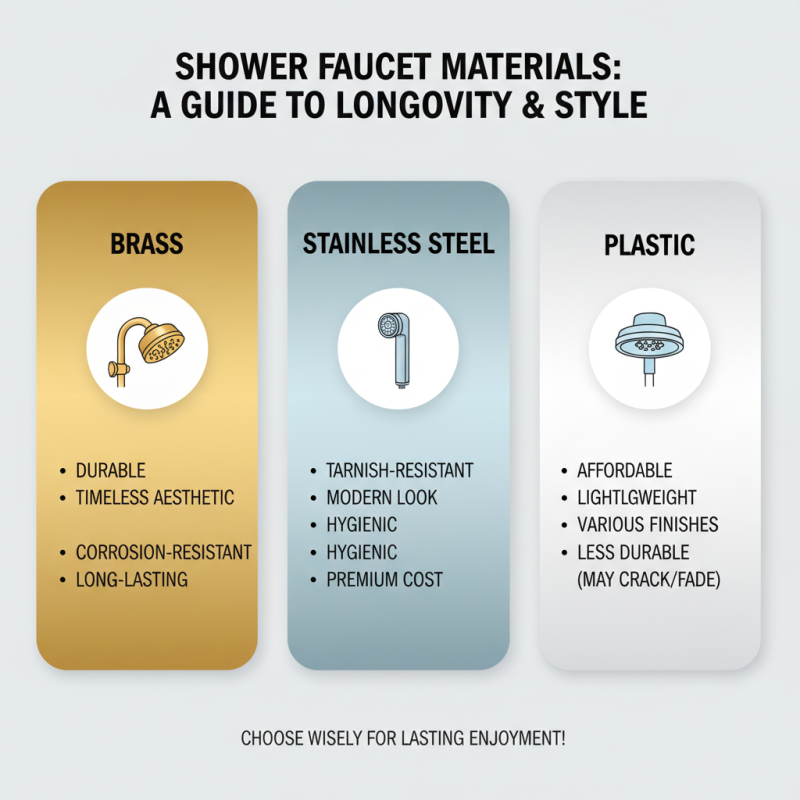
Choosing the right material and finish for your shower faucet is key. Consider the longevity of various materials. Popular options include brass, stainless steel, and plastic. Brass offers durability and a timeless look. Stainless steel is resistant to tarnishing but can be pricey. Plastic is affordable but may not last as long.
Finish plays a vital role too. Polished chrome is bright and popular, yet it shows water spots easily. Brushed nickel, on the other hand, offers a softer appearance and resists fingerprints. Matte black finishes are stylish and can add depth to your bathroom's décor. However, they can be harder to match with other fixtures.
Think about your bathroom's overall style and color scheme. A mismatch can be jarring. Also, consider how often you will clean the faucet. Some finishes require more upkeep than others. It’s easy to overlook these practical aspects when shopping. Make sure to balance aesthetics with functionality for lasting satisfaction.
Water Efficiency and Flow Rates: What to Look for in Shower Faucets
When selecting shower faucets, water efficiency and flow rates are critical factors. The Environmental Protection Agency (EPA) states that the average showerhead uses 2.5 gallons per minute (GPM). However, opting for low-flow models can significantly reduce water consumption. Models with a flow rate of 1.8 GPM or less can cut water use by up to 30%. This has both environmental and economic benefits. Families can save hundreds annually on water bills.
Understanding your water pressure is vital. Some faucets may perform poorly under low pressure, impacting your shower experience. Occasionally, buyers might overlook compatibility issues. This can lead to dissatisfaction. Studies show that flow rate affects user satisfaction significantly. Showerheads with adjustable settings provide flexibility, allowing you to select the ideal flow rate for your needs.
Efficiency is not just about numbers; it's also about personal preference. Some prefer a more powerful spray, while others like a gentle mist. Balancing these preferences with efficiency can be tricky. Always check for certifications like WaterSense. These signify compliance with water efficiency standards. Thoughtful choices now can enhance your daily routine while conserving resources.
Installation Requirements: Ensuring Compatibility with Your Plumbing System
When selecting shower faucets, compatibility with your plumbing system is critical. Many homes have either a pressure-balanced valve or a thermostatic system. Choosing the right faucet type ensures a smooth installation process. An industry survey indicated that about 30% of homeowners face installation issues due to compatibility problems. This highlights the need for thorough research.
Checking pipe sizes is essential. Standard sizes usually include ½ inch or ¾ inch fittings. However, many older homes may have different sizes. If mismatched, buyers often spend more on adapters or face installation delays. Furthermore, the type of water pressure in your home can significantly impact performance. Studies show that 80% of faucet malfunctions arise from low or fluctuating water pressure. This can lead to poor water flow and inefficient water heating.
Planning to install a new shower faucet should involve evaluating current plumbing systems. Homeowners should consider existing pipe materials, like PVC or copper. These materials can influence installation methods. Moreover, understanding local plumbing codes is important. Research shows that nearly 20% of DIY installations do not meet local regulations, leading to costly repairs. Making informed choices can prevent these issues and improve your bathroom experience.
Top Tips for Choosing the Best Shower Faucets for Your Home: Installation Requirements
| Feature |
Details |
Importance |
Installation Notes |
| Type of Faucet |
Single Handle, Double Handle, Thermostatic |
Affects ease of use and temperature control |
Ensure compatibility with plumbing setup |
| Water Pressure |
Minimum 40 psi recommended |
Ensures optimal performance |
Check pressure before installation |
| Mounting Type |
Wall-Mounted, Deck-Mounted |
Influences the aesthetic and functionality |
Consider existing plumbing locations |
| Material |
Brass, Stainless Steel, Plastic |
Durability and resistance to corrosion |
Choose based on environment and usage |
| Style |
Modern, Traditional, Transitional |
Enhances bathroom aesthetics |
Match with overall decor |
| Finish |
Chrome, Matte Black, Brushed Nickel |
Impact on maintenance and appearance |
Consider cleaning and upkeep |