What is Thermal Insulation and How to Choose the Best?
Thermal Insulation plays a crucial role in maintaining energy efficiency in homes and buildings. Understanding its importance can help you make informed decisions. Many homeowners overlook this vital aspect. They might focus solely on aesthetics or price. However, without proper insulation, energy costs can soar, leading to financial strain.
Different materials offer various benefits, but how do you choose the best? The answer lies in understanding your specific needs. Not all insulation is created equal; the right choice depends on factors like climate, building type, and intended use. Consider materials like fiberglass, foam, or cellulose. Each has unique properties that can impact your efficiency and comfort.
Choosing the right thermal insulation is not merely a technical task. It requires careful consideration and research. You may need to balance cost and effectiveness, which can be challenging. Reflect on your choices and seek expert advice when necessary. Making an informed decision can lead to long-term savings and comfort in your living space.
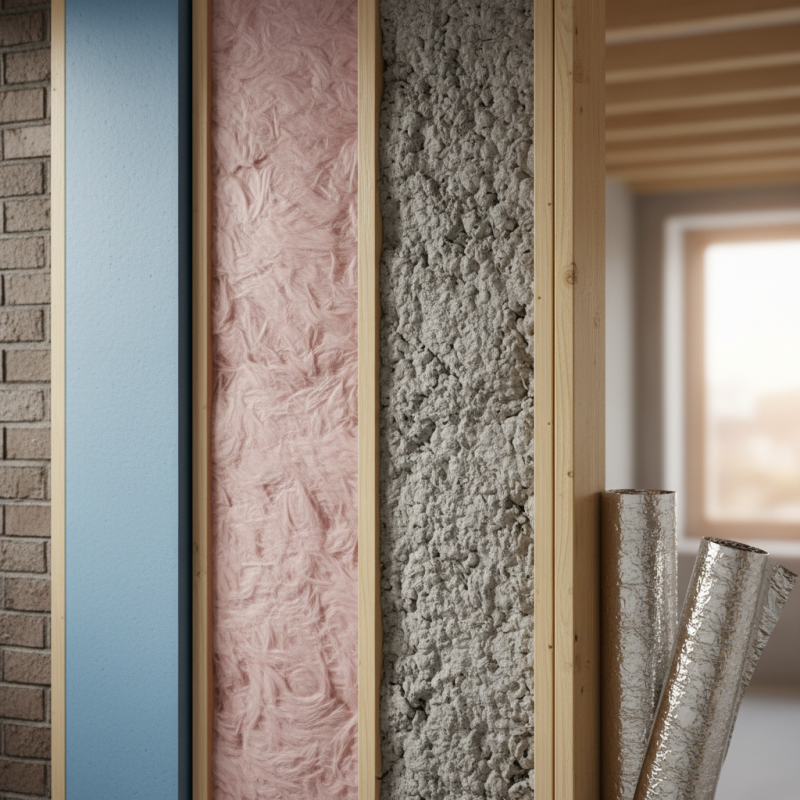
What is Thermal Insulation and its Importance in Building Design?
Thermal insulation plays a crucial role in building design. It helps maintain comfortable indoor temperatures and reduces energy consumption. According to the U.S. Department of Energy, proper insulation can lower heating and cooling costs by up to 50%. This is significant, especially in regions with extreme temperatures.
Choosing the right insulation involves understanding various materials like fiberglass, foam, and cellulose. Each comes with distinct R-values, which indicate thermal resistance. The higher the R-value, the better the insulation. However, not every material suits every building type. Industry reports highlight that improper insulation can lead to moisture issues, compromising building integrity. This underlines the importance of consulting experts for optimal choices.
Another aspect to consider is the environmental impact of insulation materials. Sustainable options, while often more expensive initially, can lead to long-term savings and lower carbon footprints. Data shows that energy-efficient buildings can sell for 5-10% more than conventional ones. This trend reflects a growing awareness among buyers about sustainability. The right insulation is not just a choice; it’s an investment in future savings and well-being.
Types of Thermal Insulation Materials and Their Properties
Thermal insulation materials play a vital role in energy efficiency. Their primary purpose is to reduce heat transfer, thus maintaining a desired temperature in buildings. Common types of thermal insulation include fiberglass, foam boards, and cellulose. Each material has distinct properties that influence its effectiveness.
Fiberglass is popular due to its low cost and ease of installation. It has a thermal resistance (R-value) around 2.9 to 4.3 per inch. However, it can irritate the skin and lungs if not handled properly. Foam boards, on the other hand, provide a higher R-value, ranging from 3.6 to 6.5 per inch. They are more durable but can be more challenging to install.
When choosing insulation, consider the R-value, material type, and environmental impact. The U.S. Department of Energy states that proper insulation can reduce heating and cooling costs by up to 20%.
*Tip: When installing insulation, ensure it fits snugly in the space to minimize air leaks. Small gaps can significantly decrease its effectiveness.*
Cellulose insulation is made from recycled paper products and is eco-friendly. It has an R-value of about 3.1 to 3.8 per inch. Its air-sealing properties are excellent, but it may settle over time, reducing effectiveness.
*Tip: Always check for moisture issues before selecting insulation, as damp environments can compromise many materials.*
Choosing the right thermal insulation requires careful consideration of various factors. The best choice balances effectiveness, cost, and environmental impact while ensuring comfort and savings.
Factors to Consider When Choosing Thermal Insulation for Your Home
When choosing thermal insulation for your home, several important factors come into play. First, consider the type of insulation material. Common options include fiberglass, foam board, and spray foam. Each material has unique properties, affecting efficiency and installation.
Another key aspect is the R-value. This measures the insulation's effectiveness. A higher R-value indicates better performance. Be sure to match the R-value to your local climate. Homes in colder regions require higher R-values.
Tips: Always check for potential air leaks before insulating. This can reduce the effectiveness of your chosen material. Also, consider the installation process. Some insulation types are easier to install than others. Proper installation is crucial for maximizing efficiency.
Don't forget about budget constraints. While some materials may be cheaper, they might not last as long. Investing in high-quality insulation can save money on energy bills in the long run. Reflecting on these factors can lead to a more informed decision that enhances your home's comfort.
Common Applications and Installation Methods for Thermal Insulation
Thermal insulation is crucial in various applications, including residential buildings, commercial structures, and industrial settings. Common materials used for insulation include fiberglass, foam board, and spray foam. Each material offers unique benefits but has specific installation requirements. The choice of insulation impacts energy efficiency significantly, accounting for up to 30% of a building's energy use, according to the U.S. Department of Energy.
Installation methods vary based on the type of insulation. Batt insulation is easy to install between wall studs but may leave gaps if not done carefully. Spray foam requires professional application, yet it creates an airtight seal, enhancing thermal performance. Missing even small areas can lead to increased heating and cooling costs. Rigid foam board is often preferred for continuous insulation on exterior walls, providing a high R-value per inch. Proper sealing and moisture barriers are essential to avoid future complications like mold or material degradation.
Choosing the best insulation also involves understanding local building codes and climate conditions. For instance, in colder regions, a higher R-value is essential to maintain comfort and energy savings. Testing insulation performance with a blower door test can identify leaks and improve efficiency. This testing highlights that even small installation errors can lead to significant energy losses. The right approach to thermal insulation not only enhances energy efficiency but also contributes to a more sustainable environment.
Thermal Insulation Materials Comparison
This chart compares the R-Value per inch of different thermal insulation materials. The R-Value is a measure of thermal resistance, indicating how well a material resists heat flow. Selecting insulation with a higher R-Value can lead to better energy efficiency in buildings.
Tips for Evaluating Thermal Insulation Performance and Efficiency
When evaluating thermal insulation, several factors come into play. The R-value is crucial. It measures resistance to heat flow. A higher R-value indicates better insulation. This value varies by material, so research is essential. Local climate can also dictate which insulation works best. What works in a hot area might not suit a colder environment.
Consider your building's design. Some materials excel in specific applications. Fiberglass is versatile, while spray foam offers impressive air sealing. Inspecting the installation is key. Poorly installed insulation can dramatically reduce effectiveness. You may need a professional to ensure it's done right.
Don't overlook the long-term costs. Energy savings over time can offset initial expenses. Reflect on your choices. Sometimes, the cheapest option might lead to higher bills down the line. Look for materials that balance cost and performance for optimal results. Always seek reliable information from trusted sources to guide your decision.


