What is a Paper Cup and How is it Made?
In modern society, the paper cup has become a common sight. These versatile containers are used in cafes, offices, and events. But what is a paper cup exactly? It is more than just a simple cup for beverages. Made primarily from wood pulp, paper cups are designed for single use. This convenience comes with environmental implications, which are often overlooked.
The production of paper cups involves several steps. These include sourcing raw materials, pulping, and forming the cups. Many people assume all paper cups are the same. In truth, their quality can vary widely. The choice of coating material can affect their recyclability.
Despite their convenience, paper cups pose environmental challenges. They are often lined with plastic, making recycling difficult. It raises questions about sustainability in consumer habits. Recognizing these complexities is vital in understanding the lifecycle of a paper cup. As consumers, we must reflect on our choices and their broader impact.
What is a Paper Cup?
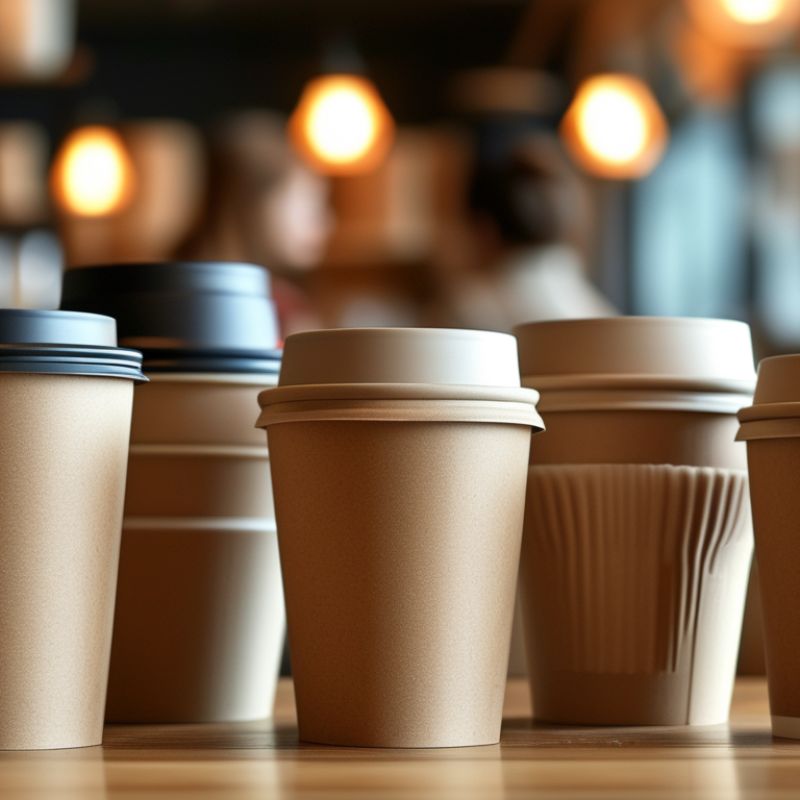
A paper cup is an everyday item used for beverages, made from paper and lined with a thin layer of plastic. This lining allows the cup to hold liquids without leaking. According to industry reports, the global paper cup market was valued at approximately $2.1 billion in 2021. It is projected to grow as sustainability becomes a key focus.
The manufacturing process starts with paperboard. This material is sourced from wood pulp. After printing and cutting, the paper is formed into a cup shape. The adhesive is spread, and a layer of polyethylene is applied to create a barrier. Unfortunately, this plastic lining complicates recycling. Many consumers believe paper cups are fully recyclable, but many facilities do not process them due to contamination.
While paper cups seem eco-friendly, their environmental impact is double-edged. In a recent study, it was found that production of paper cups can consume significant water and energy. The industry is seeking more sustainable options like using compostable materials. However, many challenges remain in ensuring proper disposal practices among consumers. Awareness is essential, as many people still treat these cups as disposable without considering their impact.
Materials Used in Paper Cup Production
Paper cups are primarily made from paperboard. This material is sourced from trees, making sustainability an important factor in their production. Pulping processes convert wood into fibers, which are then mixed with water. This mixture is dried to form a paper sheet.
The inner lining of paper cups is usually made from polyethylene or poly-coated materials. This lining prevents liquid from soaking through the paper. Reports indicate that around 17 million trees are cut down annually for paper cup manufacturing. Thus, the industry is slowly shifting toward biodegradable coatings to minimize environmental impact.
Recent advancements in technology have introduced compostable alternatives. These materials reduce reliance on plastic. However, they still require specific conditions for decomposition. The challenge lies in ensuring that these cups can maintain their functionality while being environmentally friendly. Continuous research is needed to optimize these materials for wider use.
The Manufacturing Process of Paper Cups
The manufacturing process of paper cups involves several key steps that blend technology and craftsmanship. Initially, high-quality paper rolls are sourced. These rolls consist of layers that include a moisture barrier. This barrier is crucial to keep liquids from seeping through the paper. The production begins with the large rolls being fed into a cup-forming machine. This machine cuts the paper and shapes it into the desired cup form. The entire process lasts mere seconds, showcasing impressive efficiency.
Post-formation, cups must be sealed and inspected. Heat is often used to bond the cup seams securely. Quality control is essential at this stage. It ensures that cups can handle the heat and pressure associated with hot drinks. Statistics show that around 60 billion paper cups are produced in the United States annually, signifying a robust industry demand. Yet, the environmental impact of such large-scale production warrants examination. Many manufacturers are adopting sustainable practices, but challenges remain.
The paper cup industry faces scrutiny over sustainable materials. While some cups are recyclable, others may not be accepted by recycling facilities due to their plastic lining. Current data indicates that only about 1 in 400 paper cups are recycled properly. This highlights the need for ongoing innovation and consumer education regarding disposal. As the industry evolves, striking a balance between convenience and environmental stewardship remains imperative.
Eco-friendly Alternatives to Traditional Paper Cups
Traditional paper cups, while convenient, often come with environmental costs. Many of them are lined with plastic, making recycling difficult. This contributes to landfill waste and pollution. As consumers become more eco-conscious, the demand for eco-friendly alternatives has grown significantly.
One promising alternative is cup made from compostable materials. These cups are often made from plant-based materials like sugarcane or bamboo. They can decompose naturally in composting facilities, reducing landfill impact. Alternatively, reusable cups are gaining popularity. Their design allows for multiple uses, which drastically cuts down on single-use waste.
However, transitioning to these alternatives isn't entirely seamless. Compostable cups may require specific facilities for proper disposal, which can limit their effectiveness. Education about proper usage and disposal is crucial for widespread adoption. Similarly, encouraging consumers to carry reusable cups can be challenging. Many people forget or find them inconvenient. Effective solutions lie in raising awareness and making these options more accessible.
What is a Paper Cup and How is it Made? - Eco-friendly Alternatives to Traditional Paper Cups
| Feature | Traditional Paper Cups | Eco-friendly Alternatives |
| Material | Paper layers with plastic lining | Compostable materials like PLA or recycled paper |
| Recyclability | Limited due to plastic lining | Fully recyclable or compostable |
| Production Process | Papermaking, coating, and forming | Similar, but includes biodegradable treatments |
| Environmental Impact | Plastic pollution and landfill waste | Lower carbon footprint and less waste |
| Insulation | Good insulation but may leak | Often better insulated with no leaks |
| Cost | Generally cheaper | Slightly higher due to sustainable sourcing |
Applications and Uses of Paper Cups
Paper cups serve a variety of purposes in our daily lives. They are frequently used for beverages, from coffee to soft drinks. Many coffee shops and fast-food restaurants rely on paper cups for their convenience and ease of disposal. These cups come in various sizes, allowing businesses to tailor their offerings to customer preferences.
Beyond beverages, paper cups are utilized for hot soups or snacks at events. They are lightweight, making them easy to transport and distribute. However, it’s important to recognize the environmental impact. Many paper cups are lined with plastic, making recycling a challenge. This raises questions about sustainable practices in the industry.
While the use of paper cups is practical, businesses should consider alternatives. Reusable cups have gained popularity, promoting eco-friendly choices. Awareness of the materials involved and their life cycle is crucial. The shift towards sustainability may involve trade-offs, but it is a necessary evolution for our planet.


