What is a Lavatory Faucet and How Does it Work?
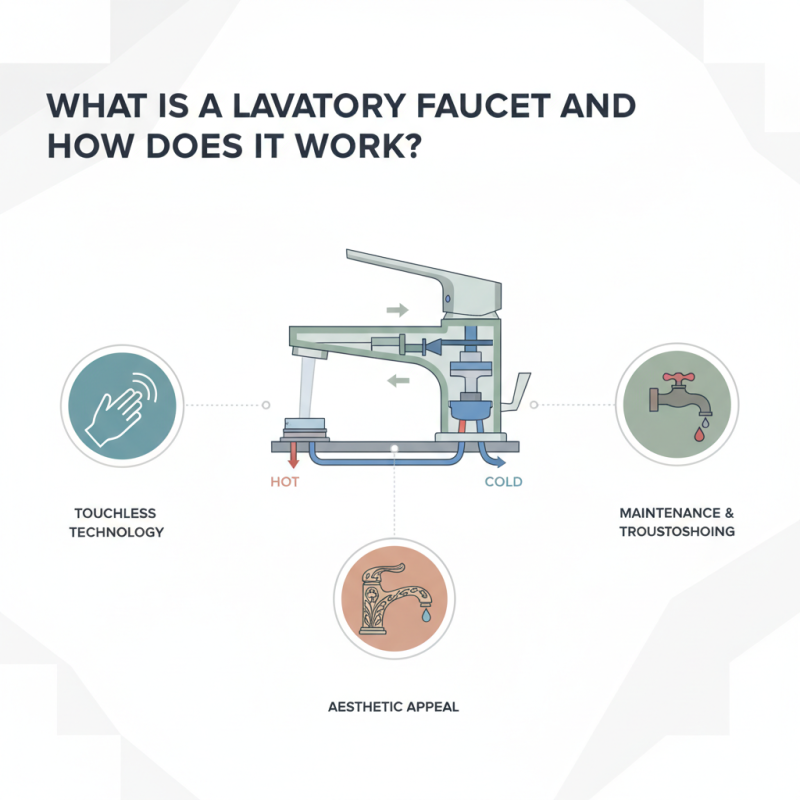
A lavatory faucet is a crucial fixture in any bathroom. It controls the flow of water, providing users with convenience and hygiene. Understanding how a lavatory faucet works helps in maintenance and troubleshooting.
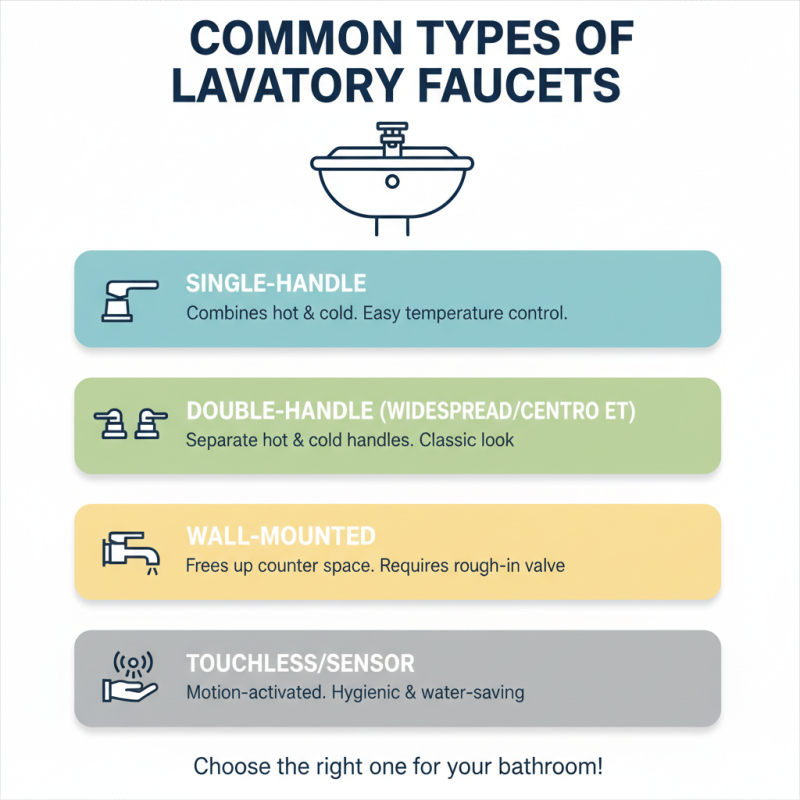
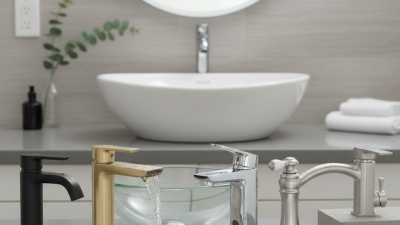
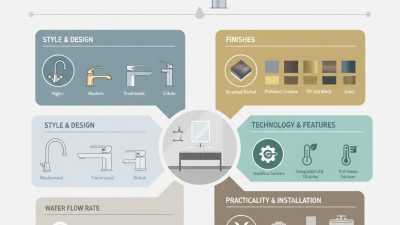
These faucets come in various designs and styles. Each type has unique features that cater to different user needs. For instance, some faucets have touchless technology, enhancing hygiene. Others focus on aesthetic appeal, aligning with bathroom decor.
With regular use, lavatory faucets may face issues like leaks or reduced water pressure. Recognizing these problems early can save time and resources. While faucets seem simple, their mechanisms are intricate and worth exploring for better home management.
What is a Lavatory Faucet?
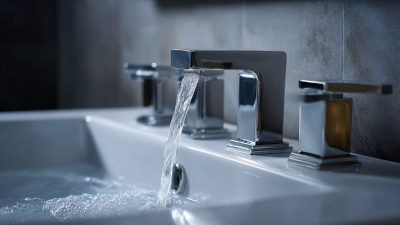
A lavatory faucet is a crucial fixture in any bathroom. It enables users to access water for various daily activities. The typical components include a spout, handles, and a valve.
The design often balances functionality and aesthetics, catering to diverse tastes. According to the American Society of Plumbing Engineers, about 50% of households prioritize efficiency and water conservation when choosing faucets.
In operation, a lavatory faucet involves a simple mechanism. When a user turns the handle, it opens the valve, allowing water to flow through the spout. Water pressure plays a significant role in this process. Research shows that faucets with aerators enhance water flow while conserving usage by up to 30%. However, improper installation can lead to leaks, which wastes precious resources.
Many users overlook maintenance, assuming faucets will function without attention. Regular inspections could prevent issues, saving money and resources. Data indicates that frequent repairs related to neglected faucets cost homeowners hundreds yearly.
Understanding how a lavatory faucet works empowers users to make informed choices and maintain their fixtures effectively.
The Components of a Lavatory Faucet
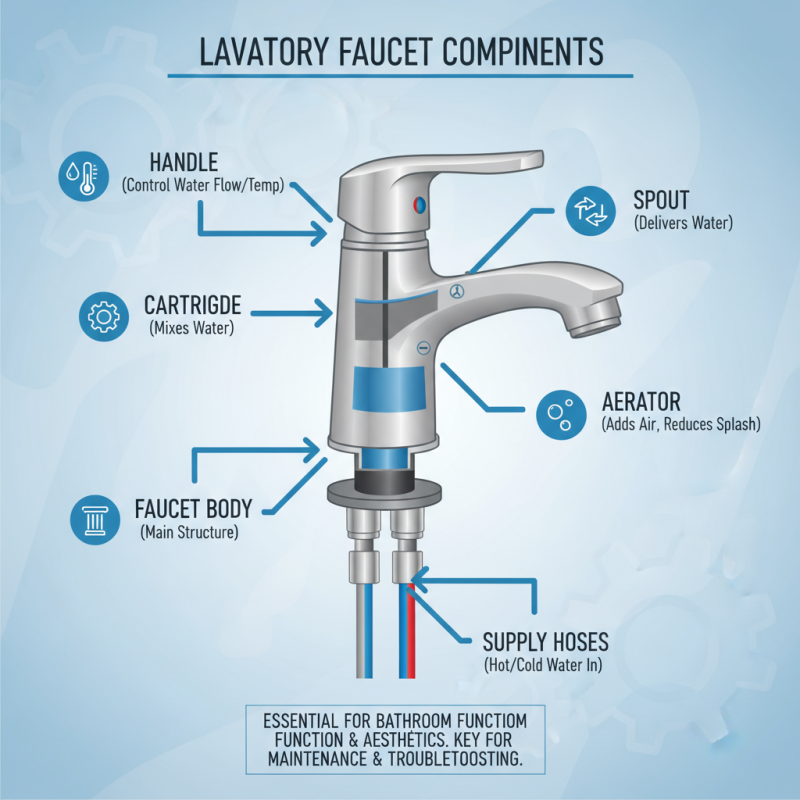
A lavatory faucet is an essential component in any bathroom. Understanding its parts can help in maintenance and troubleshooting. Most lavatory faucets consist of key components that ensure proper function and aesthetics.
The handle allows you to control the water flow and temperature. Typically, there are single or double handles. Inside, you’ll find a cartridge or valve. This is crucial for regulating water pressure and temperature. The spout directs the water, and its style can vary. It might be a traditional gooseneck or a modern design. The aerator is another important piece. It reduces water flow while maintaining pressure, which is eco-friendly.
**Tips:** Regularly check for leaks around the faucet base. This could prevent larger water damage later. Cleaning the aerator can improve water flow. If you notice low pressure, it might be time to clean it out.
Don't forget about the mounting hardware. Ensuring it’s secure is vital for stability. Poorly secured faucets can lead to unwanted movements. Over time, wear and tear can occur. This might lead to issues that require more than a simple fix. Knowing the parts can help you decide if a repair is possible or if a replacement is needed.
Understanding How a Lavatory Faucet Operates
A lavatory faucet is essential in any bathroom. It controls the flow of water for washing hands and face. Understanding its operation helps in effective use and maintenance.
At its core, a lavatory faucet consists of a spout and handles. These parts work together to mix hot and cold water. Water enters the faucet through pipes and is regulated by the handles. When you turn a handle, a valve inside opens. This simple mechanism may seem straightforward, yet it requires regular upkeep.
Occasionally, the faucet might drip or leak. This can indicate a worn-out washer or O-ring. Addressing these issues early prevents bigger problems. Proper cleaning is also important. Mineral build-up can lead to reduced water flow. The faucet should be cleaned regularly, but it's easy to overlook this task. Ignoring these details can lead to frustration in daily use.
Maintenance Tips for Lavatory Faucets
Maintaining a lavatory faucet is essential for both functionality and longevity. Regular upkeep can prevent leaks and ensure that water flow remains strong. A report from the American Plumbing Association indicates that proper maintenance can extend the life of plumbing fixtures by 20%.
First, check for any signs of leaks. Even a small drip can waste gallons of water over time. Tightening connections often resolves minor issues. Replacing worn-out washers or seals can prevent larger problems. Regularly cleaning the aerator, which is the mesh screen at the faucet tip, encourages smooth water flow. Calcium buildup can restrict flow, diminishing performance.
Monitor water pressure as well. If it fluctuates, it may indicate an underlying issue. The National Association of Home Builders states that consistent water pressure is crucial for faucet functionality. Finally, consider the faucet finish. Regular cleaning helps maintain its appearance and can prevent tarnishing. Neglecting maintenance can lead to costly repairs and replacements down the line. Regular attention can make a significant difference in your faucet's performance.