How to Fix Shower Plumbing Issues at Home?
Shower plumbing can often cause headaches for homeowners. Renowned plumbing expert Tom Nelson once said, “Identifying the problem early can save you significant costs.” This is especially true when dealing with common issues like leaks, clogs, or low water pressure in your shower.
Many people overlook signs of trouble until they become serious. A small drip can quickly escalate into a flood if not addressed. For instance, even a seemingly minor blockage can lead to damage if left untreated. Observing your shower’s performance can offer early warnings.
If you notice inconsistent water flow or strange noises, it may be time to investigate. Ignoring these signs can lead to costly repairs. Understanding your shower plumbing is essential. Being proactive can save both time and money in the long run. Remember, paying attention to the details makes a real difference.
Identifying Common Shower Plumbing Problems at Home
Shower plumbing issues are common in many homes. Leaks, clogs, and low water pressure can disrupt your bathing experience. The first step in addressing these problems is identification.
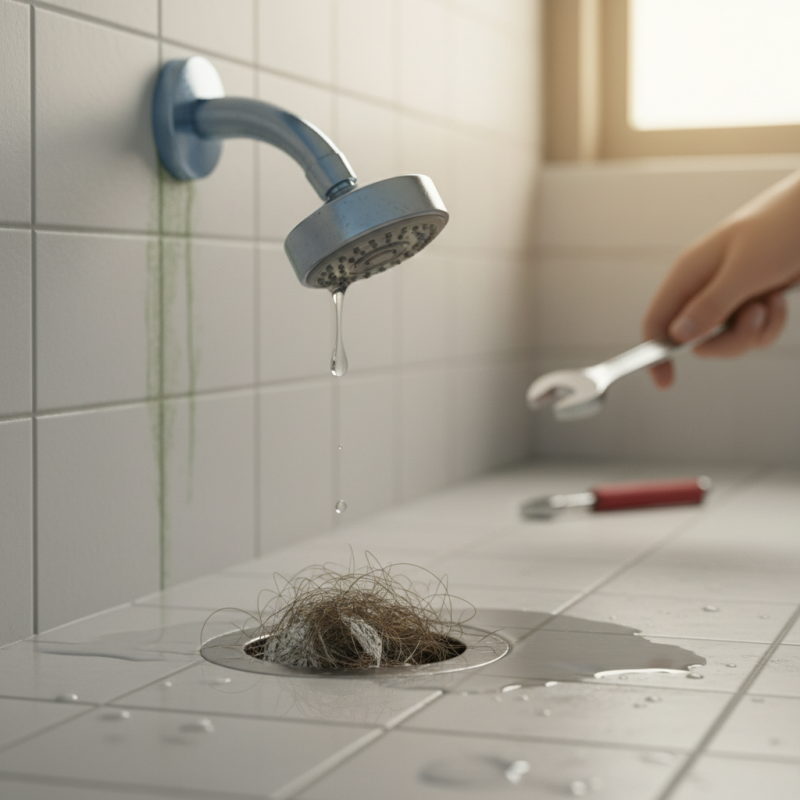
Leaking faucets are a frequent annoyance. You may notice water pooling around the base. This leak could stem from worn-out washers or O-rings. Clogs often arise in the shower drain. Hair and soap residue can build up, leading to slow drainage. Regular cleaning helps, but deep clogs may require more effort.
Low water pressure can result from mineral buildup in showerheads. A simple soak in vinegar might restore the flow. However, if pressure issues persist, it could indicate a more extensive plumbing problem. These signs are often overlooked, but they shouldn't be ignored. Regular maintenance can save significant hassle down the line. Pay attention to these details and take action when needed.
How to Fix Shower Plumbing Issues at Home? - Identifying Common Shower Plumbing Problems at Home
| Issue |
Description |
Potential Fix |
Prevention Tips |
| Leaky Showerhead |
Water dripping from the showerhead when not in use. |
Check and replace washers or O-rings. |
Perform regular maintenance and check for wear. |
| Low Water Pressure |
Weak water flow from the showerhead. |
Clean showerhead and check for pipe clogs. |
Avoid hard water buildup; consider a water softener. |
| Clogged Drain |
Water pooling in the shower. |
Use a plunger or drain snake to clear the blockage. |
Install a drain cover to catch hair and debris. |
| Running Toilet (if connected) |
Continuous flow of water into the toilet bowl. |
Check and replace flapper valve as needed. |
Regularly check toilet parts for maintenance. |
| Water Temperature Issues |
Inconsistent hot or cold water supply. |
Inspect and possibly replace the mixing valve. |
Ensure proper installation of the water heater. |
Essential Tools and Materials for Shower Plumbing Repairs
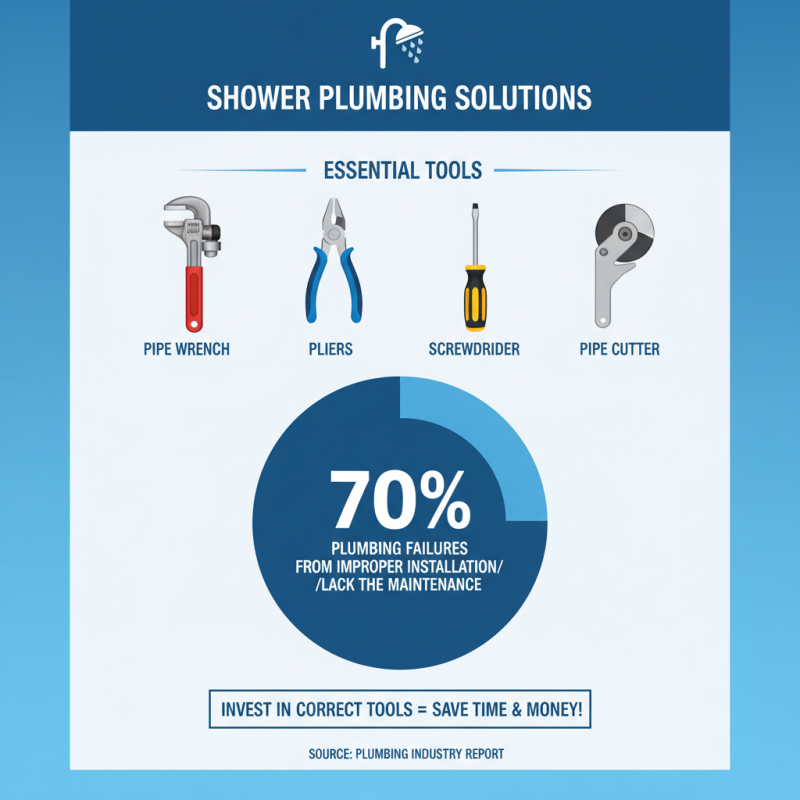
When tackling shower plumbing issues, having the right tools and materials is crucial. A reliable toolset often includes a pipe wrench, pliers, a screwdriver, and a pipe cutter. According to a recent plumbing industry report, nearly 70% of plumbing failures stem from improper installation or lack of preventive maintenance. Investing in the correct tools can save time and money.
Ensure you have some common materials on hand, such as Teflon tape, washers, and pipe joint compound. These can be vital in fixing leaks. A simple tip: keep a well-organized toolbox. It helps avoid the scramble for tools when problems arise. Remember, tackling plumbing repairs without adequate supplies can lead to frustration. Failing to prepare can result in additional leaks or damage.
Keep a checklist of materials and tools. Regularly update this list based on repairs. For instance, if replacing a showerhead, consider the age and condition of the existing pipes. Not all repairs are straightforward. Sometimes, hidden issues linger behind walls. Always be ready and willing to adjust your approach. This proactive mindset can lead to better repairs and less water wastage.
Step-by-Step Guide to Fixing Leaky Shower Faucets
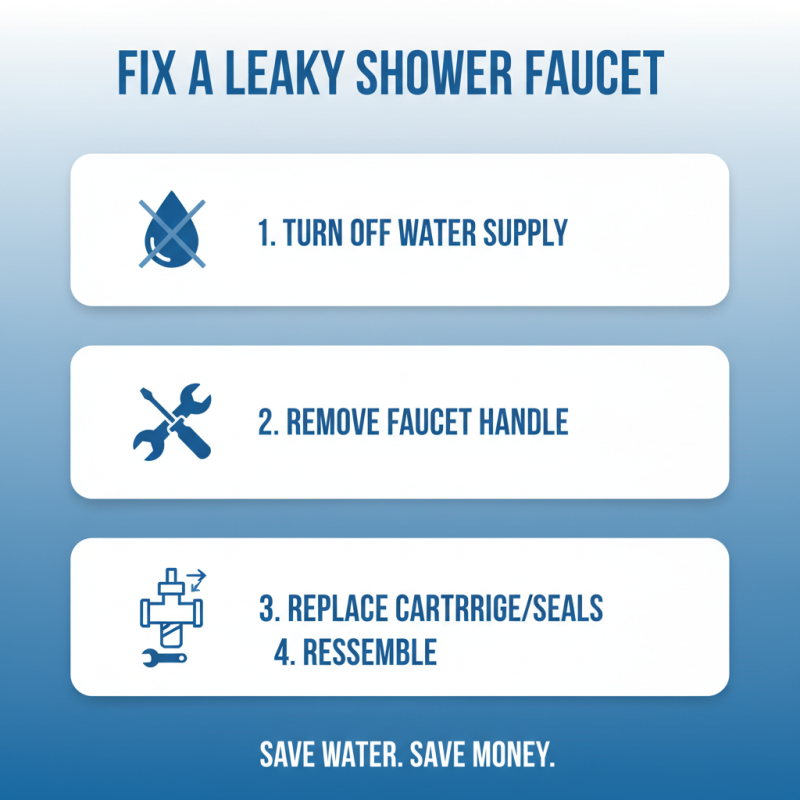
Fixing a leaky shower faucet can seem daunting. However, with a few simple steps, you can tackle this issue on your own. Start by turning off the water supply to the shower. This prevents any accidental flooding while you work. Remove the faucet handle. Typically, you’ll need an Allen wrench or a screwdriver for this.
Inspect the faucet for worn-out washers or O-rings. These parts often contribute to leaks. If you notice any damage, replace them. Remember, these components can be relatively inexpensive. So don’t hesitate to get new ones. Put the faucet back together and turn the water supply back on. Check for leaks. If water still drips, you may need to adjust or replace the entire faucet.
**Tips**: Always keep a towel nearby to catch any drips. It’s helpful to take your faucet apart in stages. This way, you can remember how to put it back together later. If you’re unsure about any step, consider taking photos as a reference. A little extra time can save a lot of frustration down the line.
Sometimes, your efforts may not lead to a perfect fix. You might find that the leak persists or worsens. This could indicate a deeper plumbing issue. Reflect on whether you really want to handle it alone. Don’t be too hard on yourself if things don’t go as planned.
Troubleshooting Clogged Shower Drains and Solutions
Clogged shower drains can cause significant frustration at home. Statistics show that around 80% of homeowners experience plumbing issues at some point. Hair, soap residue, and mineral buildup often contribute to these clogs. When water starts draining slowly, it’s usually a red flag that something’s wrong. The buildup can be more than an inconvenience; it may lead to larger plumbing problems.
To troubleshoot, begin by using a plunger. Sometimes, a few vigorous pumps can clear a blockage. If this method fails, consider a drain snake. A snake can reach deeper clogs that a plunger can't. Professional plumbers report that around 30% of clogs require this step for effective resolution. Another option is using a baking soda and vinegar solution. This natural remedy can help break down minor clogs without harsh chemicals.
It’s worth noting that preventative measures are equally important. Regular cleaning of the drain cover can limit future blockage. Also, consider installing a hair catcher. This can drastically reduce the amount of hair and debris entering the drain. Remember, it’s always better to act sooner rather than later. Waiting for the issue to worsen can lead to costly repairs. Pay attention to any signs of slow drainage and take action promptly.
When to Call a Professional for Shower Plumbing Issues
When facing shower plumbing issues, knowing when to call a professional is essential. Data from the National Association of Plumbing Contractors reveals that about 37% of homeowners experience plumbing issues annually. This statistic emphasizes the importance of recognizing problems early. Common signs include persistent leaks, low water pressure, or unusual noises in the pipes.
If you notice water pooling around the shower base or damp walls, it’s time to seek help. These issues often indicate potential water damage which can lead to costly repairs. According to research from HomeAdvisor, homeowners spend an average of $200 to $800 on minor plumbing repairs. Neglecting these issues may escalate the problem.
Some problems are less visible, yet equally serious. For example, hidden leaks can result in mold growth, posing health risks. If you are unsure about the extent of a problem, consulting a professional can save you time and money. A qualified plumber can assess situations that might seem manageable but risk becoming complicated. Engaging an expert ensures that both immediate and long-term issues are addressed effectively.