10 Essential Tips for Choosing the Best Bathroom Fixtures
Choosing the right bathroom fixtures can significantly impact your space. Recent industry reports show that nearly 65% of homeowners prioritize bathroom renovations. This is no surprise. A well-designed bathroom can add considerable value to your property.
Bathroom fixtures are crucial elements in these renovations. They must blend style with functionality. The American Institute of Architects notes that modern consumers increasingly demand eco-friendly options. These fixtures often encourage water conservation, aligning with sustainable practices. However, selecting fixtures can be overwhelming. The diverse choices available may confuse even seasoned renovators.
Considerations like durability, design, and maintenance are key. Many fixtures appear appealing but may not withstand long-term use. It's essential to research and reflect on each choice. Select fixtures that fit both your aesthetic preferences and practical needs. These decisions can shape your bathroom's efficiency and overall ambiance.
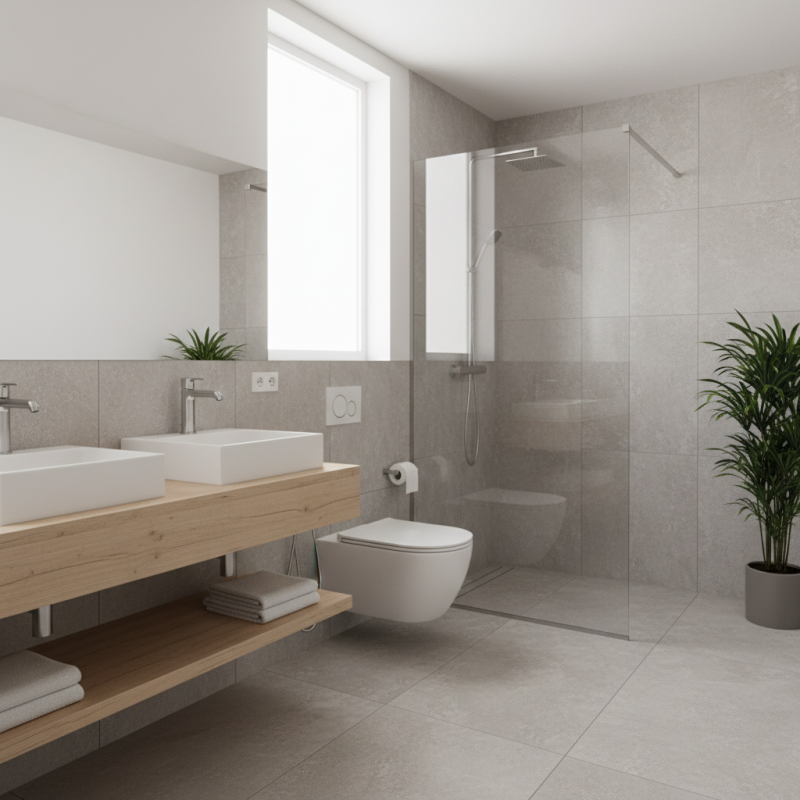
Understanding Different Types of Bathroom Fixtures and Their Functions
When selecting bathroom fixtures, understanding their types and functions is crucial. Faucets, for example, come in varying styles. Some are single-handle, while others are widespread. Consider how the faucet fits in your overall design. Will it blend or clash with other elements?
Showerheads also play an essential role. There are fixed, handheld, and rain showerheads. Each offers a different experience. A rain showerhead provides a soothing sensation. A handheld option adds flexibility. Think about your daily routine. What works best for you?
When choosing fixtures, don’t overlook lighting. Ambient lighting provides overall illumination. Task lighting focuses on specific areas, like mirrors. Placement is vital for comfort. Avoid harsh overhead lights that could create shadows. Proper lighting makes a big difference in creating a welcoming space. Reflect on your preferences and needs for each element. Each decision impacts the final outcome.
Evaluating Quality and Durability When Selecting Fixtures
When selecting bathroom fixtures, quality and durability are paramount. Inspect the materials used. Brass and stainless steel often last longer than plastic. Ensure fixtures have a solid feel. Lightweight items may not withstand daily use. Think about finishes, too. A high-quality finish resists tarnishing and wear over time.
Pay attention to the warranty. A longer warranty often indicates manufacturer confidence in their product. However, be wary; short warranties can signal potential issues. Consider user reviews. Sometimes, the reality of a product differs from its appearance. Look for feedback on real-world performance.
Additionally, test the fixtures if possible. You might find that some faucets are hard to operate. Check for easy installation too. Complex setups may lead to mistakes. A little research can save headaches later on. Ultimately, the right combination of quality and durability will enhance your bathroom's longevity.
Considering Style and Design to Match Your Bathroom Aesthetics
Choosing the right bathroom fixtures involves more than functionality.
Style and design play a crucial role in creating an inviting atmosphere. Consider the overall theme of your bathroom before making choices.
A modern space may benefit from sleek, minimalistic fixtures, while a rustic bathroom might call for vintage designs.
Pay attention to color and finish.
Bright, shiny metals can enhance a contemporary look. In contrast, matte finishes can embody a cozy feel.
Don't forget to coordinate colors with existing tiles or cabinetry. This subtle harmony can transform a bathroom from ordinary to extraordinary.
Also, take note of scale.
Oversized fixtures can overwhelm smaller spaces. Conversely, tiny fixtures may seem lost in grand rooms. Aim for balance;
oversized can work if complemented by other substantial items. Reflect on your space before making final decisions.
Choosing fixtures that resonate with your aesthetics can be a rewarding experience.
Budgeting for Bathroom Fixtures: Finding Affordable Options
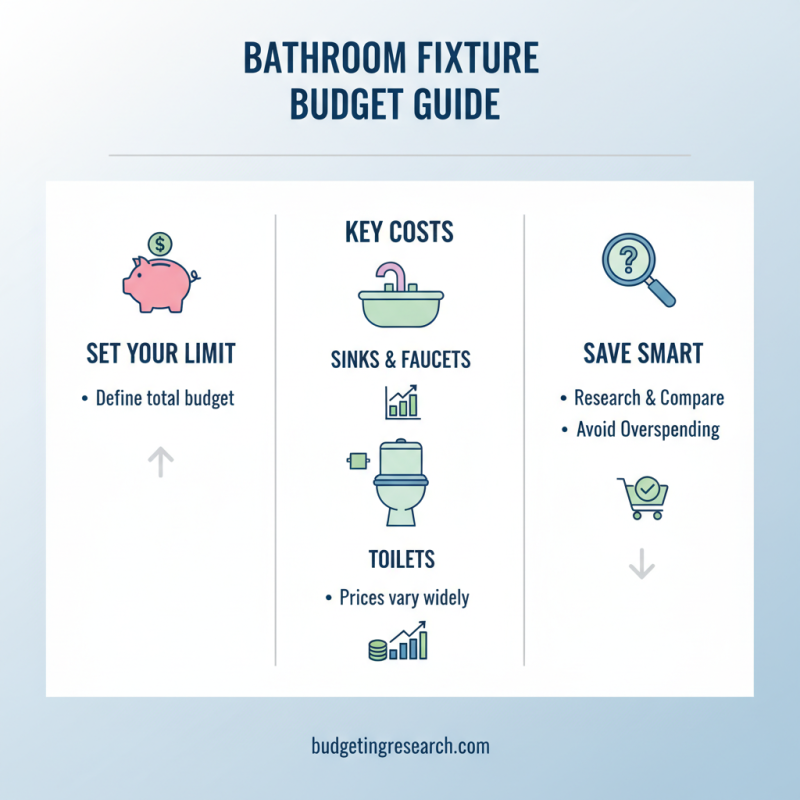
When budgeting for bathroom fixtures, it's essential to set a clear limit. Knowing your budget helps guide your choices. Consider the costs of common items. Sinks, faucets, and toilets vary a lot in price. Research can save you from spending too much.
Look for sales and promotions. Many stores offer seasonal discounts. These can significantly lower your expenses. Sometimes, you might find last year’s models at lower prices. They still work well and look great. Don't shy away from visiting multiple stores. Each has different pricing structures, which can lead to savings.
Think about the materials you choose. High-end finishes may look attractive but come with hefty price tags. Some cheaper options can offer the same visual appeal. Just ensure they are durable. However, beware of overly cheap items. They might save you money now but cost more in repairs later. It's crucial to balance aesthetics with functionality and price.
Hiring Professionals vs. DIY Installation for Fixtures
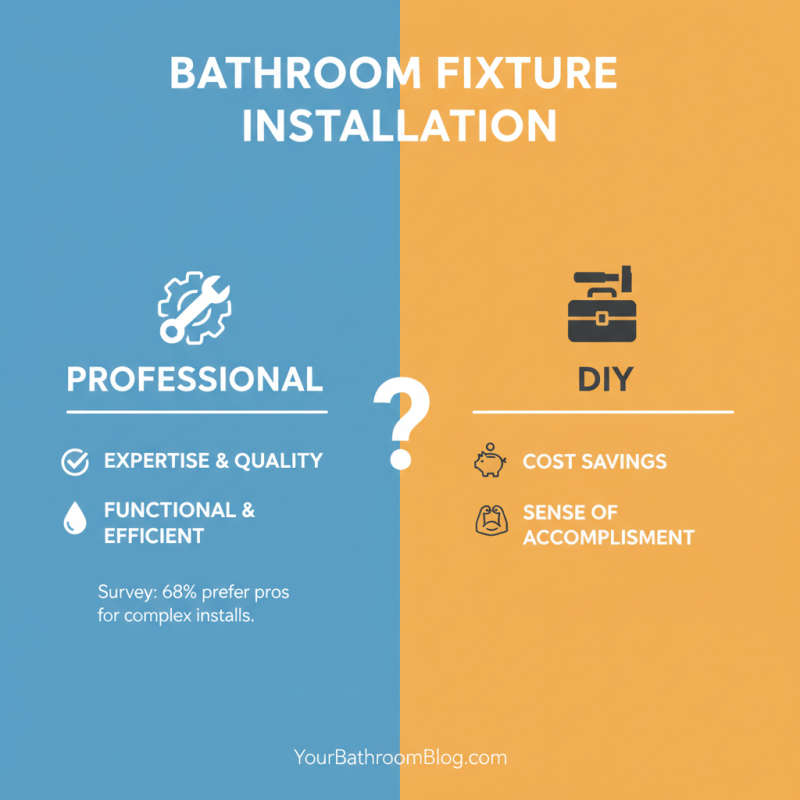
Choosing the right bathroom fixtures can seem daunting. One crucial aspect is deciding between hiring professionals and doing it yourself. According to a recent homeowner survey, about 68% prefer to hire professionals for complex installations. Professionals bring experience and expertise, ensuring that the fixtures function correctly and efficiently. However, DIY installation can save money and give you a sense of accomplishment.
When opting for DIY, ensure you have a solid plan. Research the installation process in detail. Many expect it to be easy but encounter problems. Sometimes, the right tools are overlooked. Investing in basic plumbing tools can make a difference. According to home improvement data, homeowners spend about 15% less on average when taking this route, but this may not account for potential mishaps.
A good tip is to double-check local building codes before starting your project. This avoids expensive fines later. If the installation appears complex, don’t hesitate to call a pro. You might initially want to keep costs low, but professional help can prevent costly mistakes down the road. It’s important to weigh your skills against the job requirements.