Choosing a Brass Elbow is a small decision with real effects on fit, flow, and long-term reliability. A fitting may look right on the bench, yet still fail to match the pipe thread, operating pressure, or service conditions. The details matter.
This guide explains how to compare elbow angle, connection type, nominal size, and pressure rating. It also covers common 45-degree and 90-degree designs, plus the difference between thread standards such as NPT and BSP. They are not interchangeable simply because they appear similar. Check the product drawing and manufacturer specifications before ordering.
Material choice deserves equal care. Brass offers useful machinability and corrosion resistance in many plumbing and industrial settings, but it is not suitable for every fluid or environment. Water chemistry, temperature, vibration, and exposure to chemicals can change how a fitting performs. For drinking-water use, verify that the specific product meets applicable local requirements. A catalogue description alone is not enough.
There is no universal best elbow. The right option depends on the system around it. Start with the pipe dimensions and connection standard, then confirm pressure and temperature limits for the actual application. Leave room for installation access, too; a fitting that technically fits can still be awkward to tighten or inspect. Small oversight, big nuisance. Even a careful checklist can miss site-specific constraints, so review the final choice against the full assembly before installation. This practical approach helps buyers select a Brass Elbow with fewer surprises and a clearer basis for comparison.
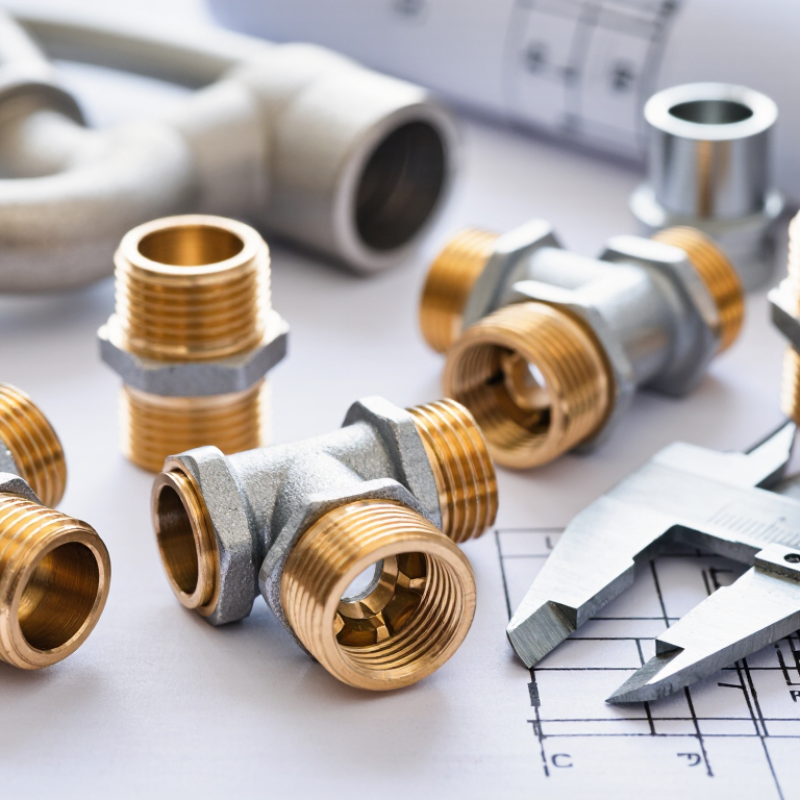
Before selecting a brass elbow, identify what the line carries and what the turn must accomplish. A heating loop, a compressed-air line, and a potable-water branch can require different pressure ratings, alloys, and connection types. Check the pipe material, outside diameter, thread standard, and operating temperature. Do not assume that “brass” alone confirms compatibility; water chemistry and service conditions matter.
Then map the route. A 90-degree elbow makes a tight turn, while a 45-degree fitting may suit a gentler offset. Measure wall clearance and leave room to tighten or replace the joint. The Copper Development Association’s Copper Tube Handbook reports that copper tube expands about 1.1 inches per 100 feet for a 100°F temperature rise. That movement can stress a rigidly fixed elbow. Small detail, real consequence. Allow for supports and movement, especially on long hot-water runs.
Flow matters too. ASHRAE Handbook—Fundamentals provides fitting-loss data that varies with fitting geometry and flow conditions, so a compact turn is not automatically the best choice. Match the elbow’s bore to the pipe, and avoid reducing the flow path without a design reason. I still measure twice; cramped layouts make even a correct fitting awkward to install. Verify the manufacturer-independent dimensional standard and pressure rating against the system design before ordering.
Start with the pipe size and connection type. Nominal pipe size does not always match the measured outside diameter, so check the fitting standard before buying. Confirm whether the ends are threaded, soldered, or compression-style. A small mismatch can cause leaks or forceful, uneven tightening. Small mismatch, big trouble. Then choose the angle: a 90-degree elbow makes a tight turn, while a 45-degree fitting may provide a gentler route where space allows. Measure the clearance around nearby valves and walls.
Check the working pressure and temperature for the exact elbow, not just the pipe. Heat can reduce a fitting’s allowable pressure, and ratings vary by design and connection. Verify that the fitting material suits the fluid and operating conditions. For critical plumbing or heating systems, compare the product specifications with the system requirements, and ask a qualified installer if they do not align. It is easy to focus on size and overlook temperature; that check deserves a second look.
Tips: Before installation, inspect threads for dents and keep them clean. Use the sealing method specified for the connection. Avoid over-tightening; it can damage threads or distort a seal. After fitting, check carefully for leaks under normal operating conditions.
A brass elbow must match both the pipe and the job. Identify the connection before comparing prices. Threaded elbows suit compatible threaded pipe; check the thread standard, size, and sealant requirements. Compression fittings use a nut and ferrule, making them useful where soldering is impractical. Flare connections need matching angled seats. These ends are not interchangeable, even when the nominal size looks right. A small mismatch can cause leaks or damage during tightening.
Brass composition matters too. For drinking-water lines, confirm that the fitting is certified for potable water and meets local requirements for lead content. Water chemistry can also affect brass: aggressive water may increase dezincification risk, so look for an alloy specified for that service. Check the manufacturer’s technical data sheet for alloy, pressure rating, temperature limits, and intended use. It is easy to focus on the elbow angle and miss those details. I would not assume every brass fitting performs the same.
Tips: Match the elbow to the pipe material and connection standard. Compare markings with the product data sheet. For a tight cabinet installation, measure clearance around the nut or tool before buying. If the application is unusual, verify compatibility with a qualified plumbing professional.
Choosing a brass elbow starts with the connection and the pipe’s actual material, not appearance alone. Match nominal size, thread type or solder-end dimensions, and sealing method. Small details matter. A matching thread is not proof of compatibility. Check whether adjoining parts are copper alloy, steel, or plastic; mixed metals can change corrosion risk and assembly requirements.
Check the relevant standard for the fitting’s material and connection. ASME B16.18 covers cast copper-alloy solder-joint pressure fittings; ASME B16.15 covers cast-bronze threaded fittings. These are not interchangeable categories. The 2016 NACE IMPACT study estimated global corrosion costs at US$2.5 trillion, or 3.4% of global GDP, in 2013. That estimate spans all industries, not fittings alone, but it underscores why fluid compatibility deserves attention.
Then compare operating limits. Confirm the elbow’s pressure-temperature rating for its exact alloy, size, and joint type. Include startup surges, not just steady pressure. Check the fluid’s chemistry and service temperature against the material supplier’s guidance; some water conditions can promote dezincification in susceptible alloys. Also verify potable-water suitability where relevant. A datasheet can leave questions unanswered. When it does, ask for the alloy designation and rating basis before installation.
| Selection factor | What to check | Practical guidance | Relevant standard or reference |
|---|---|---|---|
| Pipe connection | Identify the connection type, size, and thread form on both the elbow and the pipe. | For threaded joints, confirm whether the connection is NPT, BSPT, or another thread form. Similar-looking threads are not necessarily interchangeable. Do not force mismatched threads together. | ASME B1.20.1 covers NPT pipe threads. Check the fitting documentation for the specified thread type. |
| Fitting standard | Match the fitting construction and joining method to the applicable product standard. | For cast copper-alloy threaded pressure fittings, check the applicable class and requirements. For solder-joint fittings, distinguish cast fittings from wrought fittings. | ASME B16.15 covers cast copper-alloy threaded fittings; ASME B16.18 covers cast copper-alloy solder-joint pressure fittings; ASME B16.22 covers wrought copper and copper-alloy solder-joint pressure fittings. |
| Pipe and fitting material | Confirm that the elbow material and connection method suit the connected pipe and system. | Brass elbows are commonly used with copper, brass, or compatible threaded piping. For dissimilar metals, assess galvanic corrosion risk and follow system design requirements; use a suitable transition or dielectric arrangement where specified. | Follow the fitting manufacturer’s material and installation specifications, along with applicable plumbing or piping codes. |
| Potable-water use | Verify suitability for drinking-water contact and local lead-content requirements. | Do not assume every brass fitting is approved for potable water. Check the exact product’s certification and compliance documentation for the installation location. | NSF/ANSI/CAN 61 addresses health effects of drinking-water system components; NSF/ANSI/CAN 372 addresses lead content. Applicable legal requirements vary by jurisdiction. |
| Pressure and temperature | Check the rated working pressure at the actual operating temperature, size, and service conditions. | Use the fitting’s published pressure-temperature limits, not a general rating for “brass.” Pressure capability can vary with material, fitting design, size, temperature, and connection method. | Use the product data sheet and the governing system code; verify that the complete assembly is suitable for the design conditions. |
| Fluid compatibility | Confirm that the conveyed fluid will not attack the brass alloy or seals. | Brass is not suitable for every chemical service. Ammonia-containing environments can cause stress-corrosion cracking in susceptible brass, and some water conditions can promote dezincification. Obtain compatibility guidance for unusual fluids or water chemistry. | Consult the alloy and fitting manufacturer’s chemical-resistance information and, where necessary, a qualified materials engineer. |
| Elbow geometry | Select the angle and configuration needed for the pipe route and available space. | Choose a 90-degree or 45-degree elbow as required. Check end orientation, center-to-end dimensions, wrench clearance, and whether a street elbow or standard elbow is needed. | Confirm dimensions and configuration against the product drawing and applicable fitting standard. |
| Installation and sealing | Use a joining and sealing method approved for the fitting and service. | Apply compatible thread sealant to tapered threaded joints as directed. Avoid excessive tightening, which can damage threads or the fitting. Solder-joint elbows require compatible preparation, solder, and workmanship. | Follow the fitting manufacturer’s installation instructions and applicable local code. |
| Inspection and verification | Review markings, documentation, and the finished joint before putting the system into service. | Check size, material, thread type, applicable class or standard, and any required approvals. After installation, pressure-test or leak-test the system using the procedure required by the governing code. | Use the project specification, applicable code, and manufacturer documentation for acceptance criteria. |
Selection reminder: A fitting standard or material designation alone does not establish suitability for every pressure, temperature, fluid, or potable-water application. Confirm the exact product rating and local requirements before installation.
Choosing the right brass elbow in 2026 means comparing traceable quality, not just unit price. Ask suppliers for the alloy designation, pressure-temperature ratings, dimensional drawings, and lot-level material certificates. For threaded fittings, check whether documentation references applicable ASME B16.15 requirements, which cover cast copper-alloy threaded fittings. Confirm the elbow angle, thread type, and clearance against the actual pipe layout. Small details matter. A sample may fit by hand yet bind after sealing tape and wrench pressure.
Compare suppliers on response time, replacement terms, and consistency between samples and bulk shipments. Request pressure-test records and inspect threads for burrs, plating defects, or uneven starts. EPA WaterSense’s leak fact sheet estimates household leaks waste nearly 10,000 gallons of water yearly. It also reports that roughly 10% of homes lose 90 gallons or more daily. Correct sizing and careful sealing are practical safeguards, not cosmetic details. Follow fitting and sealant instructions, avoid over-tightening, and support pipework so the elbow carries no bending load. Installation conditions are easy to underestimate.
For elbows specified as CW617N, EN 12165 gives copper content of 57–59% and lead content of 2.5–3.5% by mass. The logarithmic axis makes both ranges readable. When comparing suppliers, request material documentation confirming the alloy and applicable standard; also verify the elbow’s pressure rating, connection thread standard, and compatibility with the installation and fluid. Other brass alloys may have different composition limits.
