


2026 How to Choose the Best Toilet Shower for Your Bathroom Needs?
Choosing the right toilet shower can significantly enhance your bathroom experience. Many factors influence your decision. You should consider space, design, and functionality.
A toilet shower combines two essential bathroom features. It provides a convenient way to clean yourself after using the toilet. However, not every model fits well in every bathroom. Some are compact, while others require more space. Think about your bathroom's layout and design before making a choice.
Quality is crucial when selecting a toilet shower. A well-made model lasts longer and performs better. Look for materials that resist wear and tear. Yet, price often reflects quality. Finding a balance is essential, as overspending doesn’t guarantee satisfaction. Take the time to reflect on your needs and preferences. This decision is about comfort and practicality.
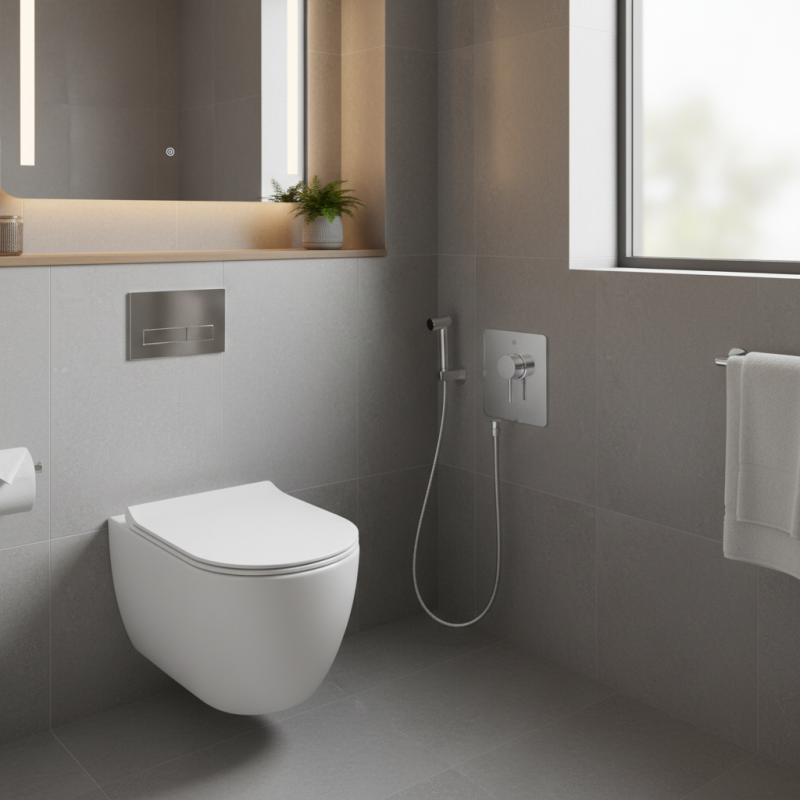
Understanding the Advantages of Toilet Showers for Bathroom Use
Toilet showers have gained popularity for their practicality and hygiene benefits. They offer a gentle cleansing alternative to traditional toilet paper, which can sometimes irritate the skin. This method uses water for cleaning, making it a more comfortable choice for many. Additionally, toilet showers can reduce the need for toilet paper, benefiting the environment.
Using a toilet shower can transform your bathroom experience. It provides a sense of freshness that toilet paper alone cannot achieve. However, some people may find it takes time to adjust. The installation process can also be challenging. Not everyone has the right plumbing setup. Regular maintenance is key; neglecting this can lead to clogs and leaks.
When choosing a toilet shower, consider your space and needs. There are compact models for smaller bathrooms. Larger ones might offer additional features but may not fit well in limited areas. It's important to reflect on what matters most to you. Comfort, ease of use, and aesthetics all play a role. Take your time to understand these factors before making a decision.
2026 How to Choose the Best Toilet Shower for Your Bathroom Needs?
| Feature | Description | Advantages | Considerations |
|---|---|---|---|
| Water Efficiency | Uses less water compared to traditional toilet usage. | Reduces water bills and is environmentally friendly. | Ensure compatibility with local water-saving regulations. |
| Space Saving | Combines toilet and shower in one unit. | Ideal for small bathrooms or limited spaces. | Check local plumbing and drainage configurations. |
| Hygiene | Provides an option for enhanced cleaning. | Improves personal hygiene compared to toilet paper alone. | Requires proper maintenance and cleaning to prevent odors. |
| Accessibility | Can be designed for ease of use by all age groups. | Beneficial for individuals with mobility challenges. | Consider the height and design for maximum accessibility. |
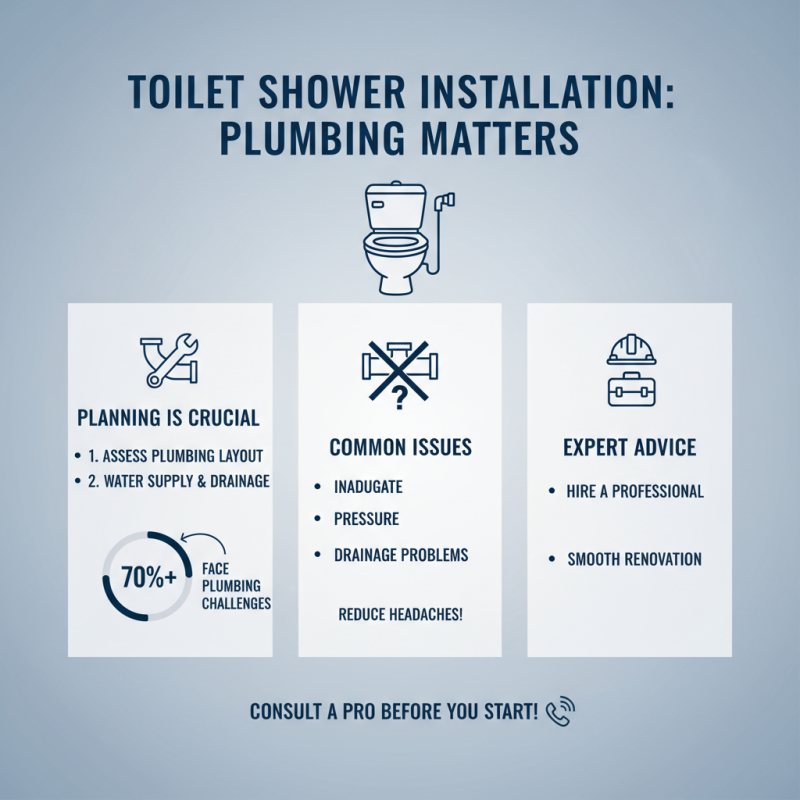
| Installation | Requires professional installation for optimal performance. | Ensures proper plumbing and electrical connections. | May have additional costs for installation services. |
Related Posts
-
2026 Best Decorative Plumbing Tips for Your Home Design?
-
How to Choose the Perfect Bathroom Fixtures for Your Home?
-
10 Tips for Choosing the Perfect Basin Faucet for Your Bathroom或Kitchen?
-

Ultimate Guide to Choosing Eco Friendly Bathroom Accessories for a Sustainable Home
-

How to Fix Shower Plumbing Issues at Home?
-
Why You Should Choose a Tub and Tile for Your Bathroom Renovation