How to Choose the Best Bathroom Supplies for Your Home?
Choosing the right bathroom supplies is crucial for any homeowner. According to recent industry reports, the global bathroom supplies market is expected to reach $128 billion by 2025. This trend indicates a growing demand for quality products that combine both functionality and aesthetics. Homeowners are increasingly investing in supplies that enhance their daily routines.
When selecting bathroom supplies, consider factors like durability, style, and efficiency. For example, eco-friendly fixtures can reduce water usage by up to 30%. Yet, many people overlook such options, leading to regrettable choices. It's essential to explore a variety of features to find what best meets your needs.
Additionally, personal preference plays a significant role in this process. Some may prioritize high-end designs, while others may value practicality. An effective selection requires balancing these elements. Many homeowners find themselves reflecting on their choices only after using their bathroom supplies, wishing they had made more informed decisions. Taking time to understand your options can lead to a more satisfying outcome.
Identifying Essential Bathroom Supplies for Your Home
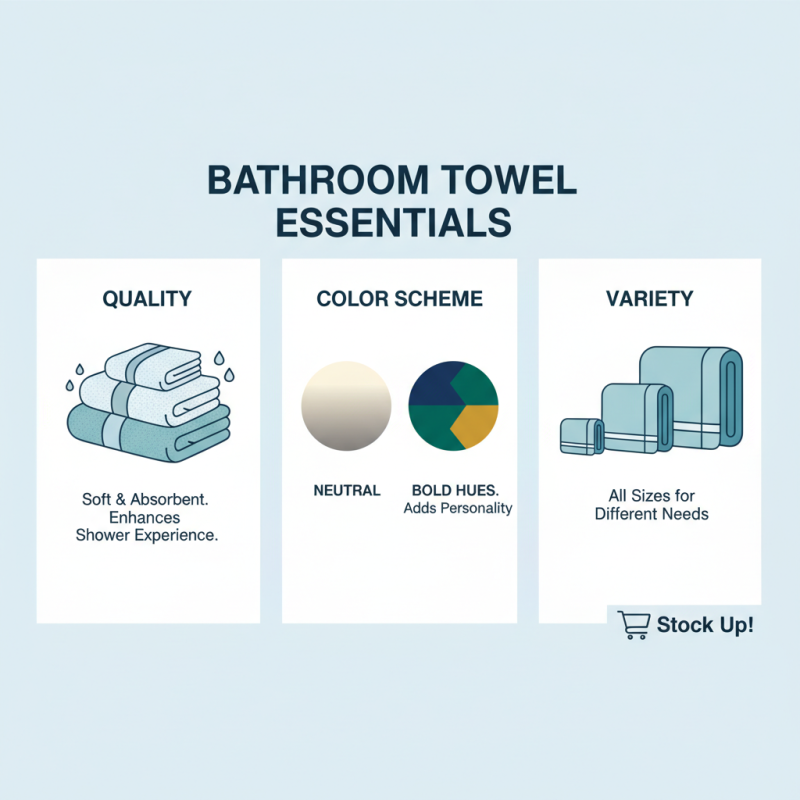
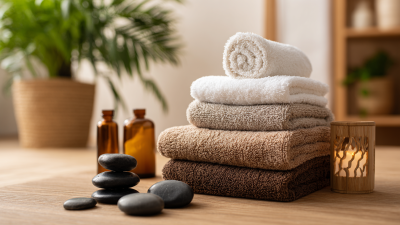
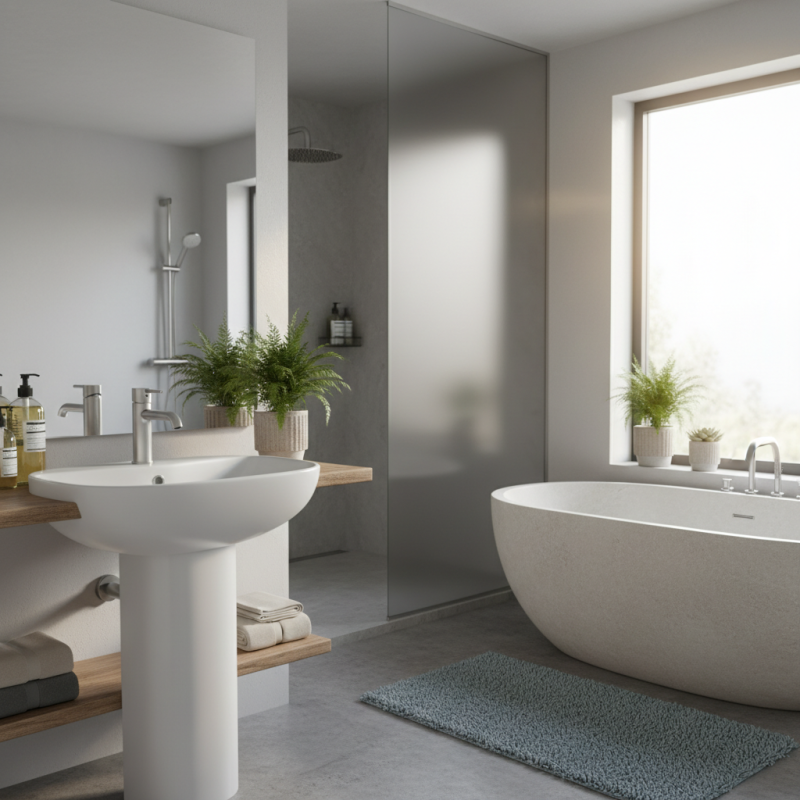
When choosing essential bathroom supplies, start with the basics. You need quality towels. Soft, absorbent options make each shower enjoyable. Consider the color scheme too. Neutral colors fit many styles, but bold hues can add personality. Remember to get various sizes for different needs.
Next, think about storage. A good shelving unit or cabinet helps organize your supplies. Check for space - both in your bathroom and in your budget. You might find that some items, like fancy soap dispensers, aren’t necessary. They can clutter rather than enhance.
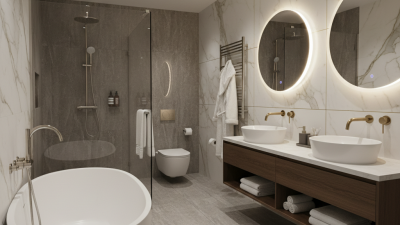
To fully equip your bathroom, don’t overlook accessories. Place a mat by the tub for safety and comfort. A mirror with good lighting is essential for daily routines. Reflect on functionality versus aesthetics. Sometimes, the most visually appealing items don't work well in practice. Adjust your choices based on your routine.
Evaluating Quality and Durability in Bathroom Products
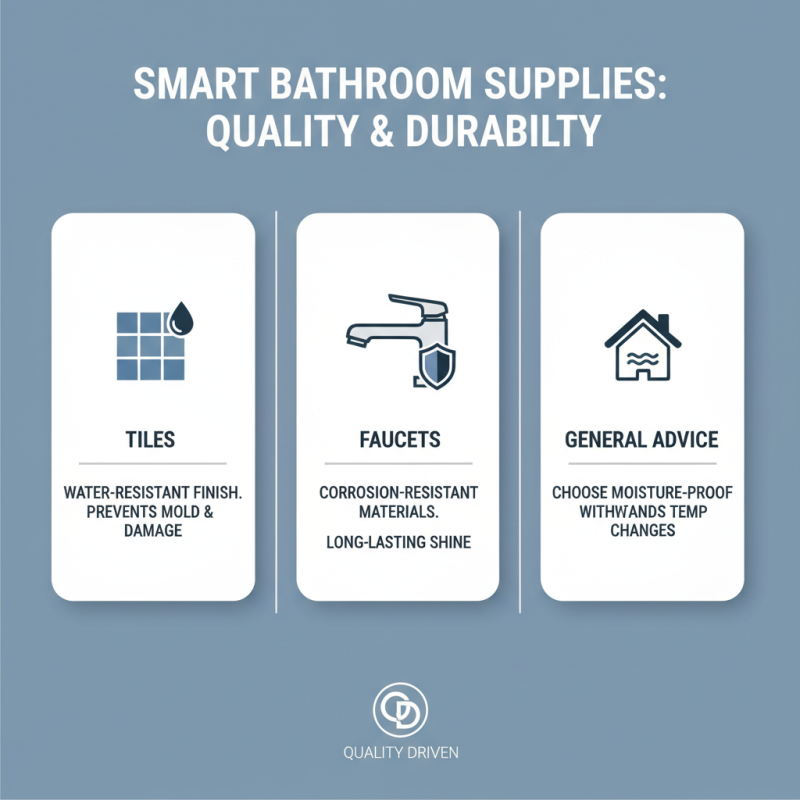
When choosing bathroom supplies, quality and durability are essential. Many products in homes face moisture and temperature changes. Selecting materials that withstand these conditions is crucial. For instance, tiles should have a water-resistant finish. Look for faucets designed to avoid corrosion.
Another aspect to consider is the warranty. A longer warranty often signifies confidence in the product's longevity. However, some items may look great but fail quickly. Read reviews to gauge real-life experiences. Bathroom furniture, such as vanities, should be sturdy and made from solid wood or high-quality composites.
Evaluate the finish on bathroom accessories as well. A shiny chrome finish may look appealing, but it can show water spots easily. Opt for matte finishes that hide wear and tear better. Each choice can either enhance or detract from your bathroom experience. It’s essential to reflect on how your selections align with your needs. The right balance can make a significant difference.
Considering Aesthetic and Style for Your Bathroom Supplies
Choosing the right bathroom supplies can enhance both function and aesthetic appeal. Color, texture, and shape all play a vital role in achieving the desired atmosphere. For instance, soft pastels create a soothing environment, while bold colors add energy. Think about how each element interacts with others. Do they clash or complement?
Consider the materials you choose. Wood, metal, and ceramics have distinct visual impacts. Wooden shelves can evoke a rustic charm, while sleek metals offer a modern feel. Each choice should reflect your style. Pay attention to lighting as it transforms colors and textures. Bright lights can make a small space feel larger, and dim lights provide intimacy.
Details matter. A unique soap dispenser or handmade towels can elevate your bathroom's look. Contrast is key—mix textures for visual interest. Reflect on how these pieces work together. Do they tell a story? Remember, your bathroom should feel tailored to your personality, even if it requires some trial and error. It’s okay if things don’t come together perfectly on the first try—it's all part of the process.
Choosing the Best Bathroom Supplies: Aesthetic and Style Considerations
This chart illustrates the popularity of various bathroom supplies based on unit sales. Choosing the right combination of these supplies can enhance both function and aesthetic appeal in your bathroom space.
Understanding Budget Constraints When Selecting Supplies
When selecting bathroom supplies, understanding
budget constraints is crucial. A recent industry report indicates that homeowners often overspend by
nearly 20% due to impulse buying. This highlights the need for careful
planning. Allocate a specific budget before you shop.
This will help guide your choices and prevent financial strain.
Consider the essentials like faucets, tiles, and fixtures.
The average cost for these items can vary significantly. According to the National Kitchen and Bath Association,
the average bathroom remodel costs around $10,000.
However, even smaller updates can add up. A new vanity alone can cost between $300
and $3,000. This makes it important to compare prices and quality.
Do not forget about hidden costs. Installation fees can
take up a big chunk of your budget. Research average labor costs in your area. You may also consider DIY options to save money. Remember to think long-term.
Sometimes cheaper items may lead to higher maintenance costs. Balancing quality and budget is pivotal.
Aim for supplies that provide value without breaking the bank. More choices are out there, but due
diligence makes a difference.
Exploring Eco-Friendly Options for Sustainable Bathroom Choices
Creating a sustainable bathroom is essential. Eco-friendly supplies can significantly reduce our environmental impact. Many consumers are unaware that traditional bathroom products often contain harmful chemicals. The Environmental Protection Agency reports that cleaning products can release volatile organic compounds (VOCs), which harm indoor air quality.
When exploring eco-friendly options, consider materials like bamboo or recycled plastics. Bamboo is not only biodegradable, but it also grows rapidly. In fact, it can grow up to three feet in a single day. Recycled products help divert waste from landfills. Research shows that using recycled plastics can save up to 66% of energy compared to new plastics.
It's crucial to choose products that conserve water, too. Low-flow showerheads can reduce water usage by 30%. This change not only saves water but also lowers utility bills. However, some low-flow products may lack pressure. Testing products before buying can help avoid dissatisfaction. The quest for sustainability requires ongoing reflection. Each option we select can create a ripple effect.