How to Choose the Best Lavatory Faucet for Your Bathroom Needs?
Choosing the right lavatory faucet can seem overwhelming. There are so many options available. According to interior design expert Sarah Johnson, "Finding the perfect lavatory faucet can transform your bathroom." It’s true; the right faucet plays a crucial role in your bathroom’s style and functionality.
Consider your space and the aesthetic you want to achieve. A modern faucet can enhance a contemporary bathroom. Alternatively, a vintage style can add charm to a traditional setting. However, making the right choice isn’t always easy. Many people overlook practicality when selecting a lavatory faucet. Function should align with design needs.
Also, think about the materials and finishes. Each option has its pros and cons. High-quality materials are essential for durability, yet they can be costly. A common mistake is choosing an attractive faucet without considering maintenance. Reflect on your lifestyle when making your choice. Balancing aesthetics with practicality will lead to a satisfying decision.

Understanding Different Types of Lavatory Faucets Available in the Market
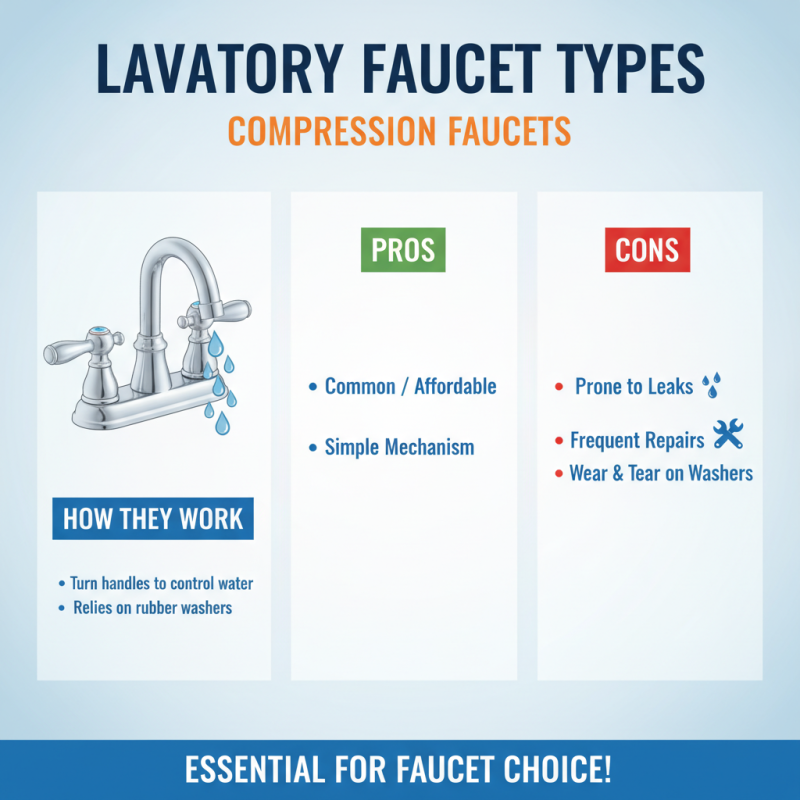
When choosing a lavatory faucet, understanding the different types available is essential. Compression faucets are common. They work through a simple mechanism. You turn the handles to control water flow. However, they often leak. Frequent repairs can be a hassle.
Ball faucets are another option. These faucets have a single handle. They use a rotating ball to control temperature and flow. They are easier to use and less prone to leaks. However, they can be more complex to repair. Some may find this design confusing at first.
Lastly, cartridge faucets are popular too. They come with either single or double handles. They provide a smooth operation and a modern look. Often made of durable materials, they require less maintenance. However, selecting the right size and style can be tricky. Reflecting on these details can help you make an informed choice.
Key Features to Consider When Selecting a Lavatory Faucet
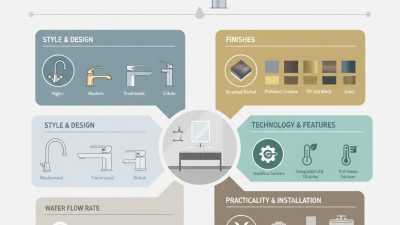
When selecting a lavatory faucet, several key features come into play. The finish is crucial, as it impacts both style and maintenance. Research shows that brushed nickel and chrome finishes are popular, due to their durability and ease of cleaning. A study from the Home Improvement Research Institute reveals that 52% of homeowners prefer faucets with a finish that resists water spots. This factor can save time on upkeep.
Water flow rate is another important consideration. The average flow rate for faucets is around 2.2 gallons per minute. However, changing to a more eco-friendly model can reduce usage significantly. The Environmental Protection Agency indicates that low-flow faucets can save up to 30% in water consumption. This not only benefits the environment but also reduces utility bills. Yet, opting for low-flow models could lead to frustrations for some users who prefer a stronger water pressure.
Lastly, installation type matters. Many people overlook the difference between single-hole and widespread faucets. A single-hole installation typically requires less space and is easier to install. Conversely, widespread faucets offer more versatility in terms of aesthetics and usability. According to data from a recent survey, 40% of participants reported challenges with installations that were not suited to their bathroom layout. These challenges emphasize the importance of measuring and planning before making a final decision.
Choosing the Right Finish and Style for Your Bathroom Decor
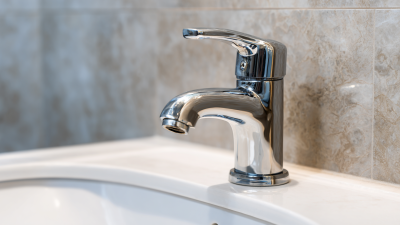
Choosing the right finish and style for your lavatory faucet can greatly enhance your bathroom decor. A shiny chrome finish may offer a modern touch, reflecting light beautifully. However, it can also show water spots easily. If you're looking for something more discreet, a brushed nickel finish might be a better choice. It offers a softer look and is less prone to showing fingerprints.
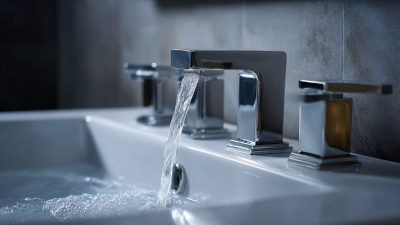
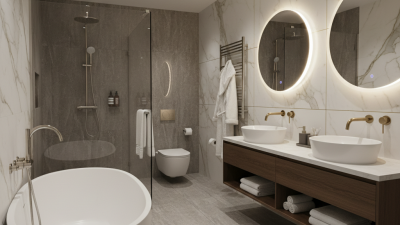
Consider the overall theme of your bathroom when selecting a style. A vintage-inspired faucet with ornate details suits a classic setting. On the other hand, sleek lines and minimalistic designs are perfect for contemporary spaces. Yet, not every style may work. A lavish fixture may overwhelm a small bathroom. Reflect on the scale of your space; it’s crucial to maintain balance.
Don't forget to factor in functionality. A stylish faucet that’s difficult to operate can be frustrating. Test how the handle feels in your hand. An ergonomic design is essential for ease of use. Sometimes, we get caught up in aesthetics and overlook practicality. Finding that perfect blend of style and utility will ultimately create a cohesive bathroom look.
Comparison of Popular Lavatory Faucet Finishes
Evaluating Faucet Functionality: Single vs. Double Handle Options
Choosing a lavatory faucet involves many factors, including functionality. The main options are single-handle and double-handle faucets.
Single-handle faucets are simple and easy to use. With just one lever, you can control both water temperature and flow. This can be especially convenient for those in a hurry. However, they may lack precise temperature control. A quick twist might lead to unexpected temperatures.
On the other hand, double-handle faucets provide more control. You can adjust hot and cold water separately. This setup might appeal to those who like precise adjustments. However, it usually takes more time to find the perfect temperature. The two handles may also limit sink space. Some users find them to be less user-friendly, especially for kids or the elderly.
Aesthetics also play a crucial role. Single handles can create a modern look. Conversely, double handles often add a classic touch. Consider the overall bathroom design. Visual appeal matters, but so does functionality. Reflect on your daily routine. This can guide your faucet choice.
Assessing Your Budget and Warranty Options for Lavatory Faucets
When selecting a lavatory faucet, it's crucial to focus on your budget and warranty options. According to industry reports, the average bathroom faucet costs between $50 and $300. Your choice should reflect both your design preferences and financial constraints. If you're renovating on a tight budget, consider models that offer good value without sacrificing quality.
**Tip:** Research local home improvement stores for seasonal Discounts.
Warranties can vary significantly. Many faucets come with lifetime warranties, while others might offer limited coverage. A solid warranty reflects manufacturer confidence in their product. Industry data suggests that products with longer warranty periods tend to last significantly longer. Evaluate what coverage is included.
**Tip:** Read customer reviews for insights on durability.
As you plan your purchase, think about estimates for long-term maintenance costs. A lower initial price might lead to higher costs down the road. Reflect on how often you use your faucet and the investment it deserves. A quality faucet might have a higher upfront cost, but savings in repairs can make it worthwhile over time.
How to Choose the Best Lavatory Faucet for Your Bathroom Needs?
| Faucet Type |
Price Range |
Finish Options |
Warranty Period |
Special Features |
| Single Handle |
$50 - $150 |
Chrome, Brushed Nickel, Oil-Rubbed Bronze |
5 years |
High-arc Spout, Pull-Out Spray |
| Double Handle |
$80 - $200 |
Polished Nickel, Matte Black, White |
Lifetime |
Ceramic Disc Cartridge, Water-saving Design |
| Wall-Mounted |
$150 - $400 |
Satin Nickel, Gold, Copper |
10 years |
Space-saving, Elegant Design |
| Touchless |
$120 - $300 |
Chrome, Brushed Bronze |
2 years |
Motion Sensor, Automatic Shut-off |