2026 Best Solutions for Replacing Galvanized Pipes?
Replacing Galvanized Pipes can be a daunting task for homeowners. These pipes, often found in older properties, pose various health risks. Corrosion and rust accumulation are common concerns, leading to water quality issues. Homeowners frequently grapple with the decision of how to replace them effectively.
Various modern solutions exist. PVC, PEX, and copper pipes are popular alternatives. Each option has its benefits and drawbacks. PEX, for instance, is flexible and resistant to scale and chlorine. However, some argue about its durability compared to metal pipes. Understanding different materials is crucial when replacing galvanized pipes.
Homeowners often overlook the installation challenges. A professional plumber's expertise can make a significant difference. They can ensure the new system accommodates the existing structure. It is essential to weigh options carefully. Choosing the right solution involves thorough research and consideration of long-term impacts.
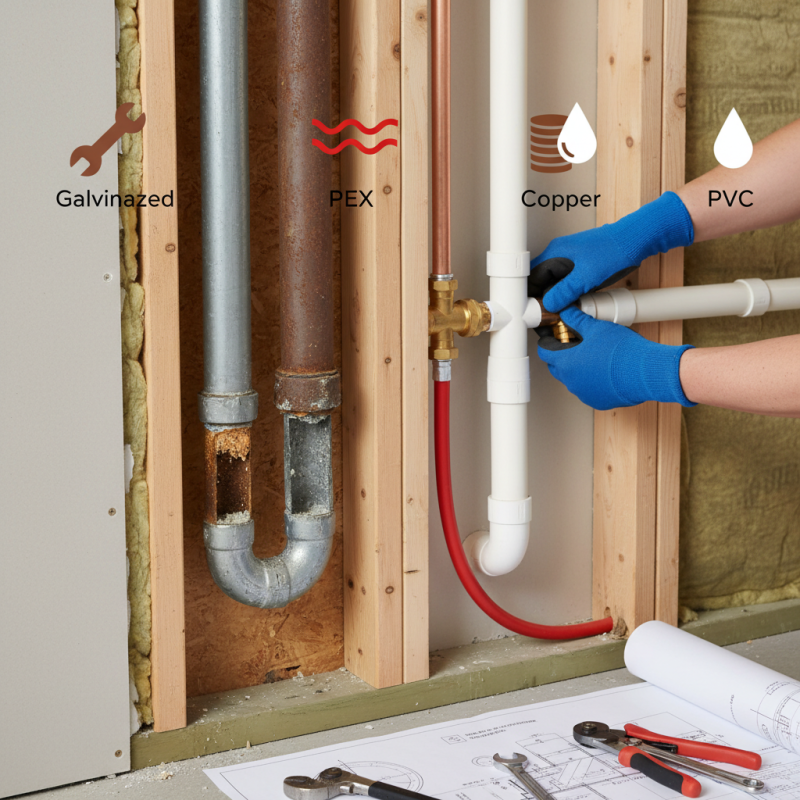
Understanding the Issues with Galvanized Pipes in Modern Plumbing
Galvanized pipes were once a popular choice in plumbing. Over time, however, these pipes can lead to various problems. The galvanizing process involves coating steel with zinc to prevent rust. Unfortunately, this protective layer can deteriorate, resulting in rust and corrosion. Homeowners might notice discolored water or low water pressure, indicating pipe issues.
Understanding these problems is crucial. Corrosion can lead to leaks, which might go unnoticed until significant damage occurs. Furthermore, the presence of lead in old galvanized pipes raises health concerns. It's not just a plumbing issue; it's a matter of ensuring clean, safe water. The need for replacement becomes evident when the pipes begin to fail.
Several replacement options exist, such as PEX or PVC pipes. These materials offer better longevity and resistance to corrosion. Homeowners should assess their plumbing systems and consider upgrading. While replacing pipes can be costly and disruptive, it’s a necessary investment for long-term health and safety. Regular inspections can help prevent unexpected plumbing failures in the future.
Options for Replacing Galvanized Pipes: A Comprehensive Overview
Replacing galvanized pipes is a critical concern for many homeowners. Over time, these pipes corrode, leading to water quality issues. According to the American Water Works Association, approximately 50% of pipes installed five decades ago are now in need of replacement. Modern alternatives like PEX and PVC offer longevity and corrosion resistance.
Tips: Always assess your home's specific plumbing needs before making a choice. Regular inspections can identify early signs of pipe degradation.
Many homeowners opt for copper piping, known for its durability. However, the labor costs can be high, making alternatives appealing. A 2022 plumbing report indicated that labor accounts for about 40% of total installation costs.
Tips: Get multiple quotes for installation. Understanding the market rates can save you money.
Some still debate the best option. Each material has its pros and cons. Upfront costs can be lower with PEX, but its long-term performance may vary. Homeowners are encouraged to weigh immediate expenses with possible future repairs.
2026 Best Solutions for Replacing Galvanized Pipes
| Option | Material | Lifespan | Cost per Foot | Installation Difficulty |
| Copper Pipes | Copper | 50+ years | $2 - $4 | Medium |
| PEX Pipes | Cross-Linked Polyethylene | 40 - 50 years | $0.50 - $2 | Easy |
| CPVC Pipes | Chlorinated Polyvinyl Chloride | 40 - 50 years | $0.75 - $2.50 | Medium |
| Steel Pipes | Steel | 30 - 50 years | $1 - $3 | Hard |
| PVC Pipes | Polyvinyl Chloride | 50+ years | $0.25 - $1.50 | Easy |
Comparing Materials: Pros and Cons of Alternative Pipe Solutions
When it comes to replacing galvanized pipes, several alternative materials are available. PEX, or cross-linked polyethylene, is popular for residential plumbing. It is lightweight and flexible. Additionally, it resists corrosion better than metal pipes. Reports indicate that PEX can have a lifespan of over 50 years, but it is sensitive to UV light. If exposed, it may deteriorate quickly, requiring careful installation.
Copper pipes are another option, known for their reliability. They can last up to 70 years and are resistant to bacteria. However, copper can be expensive and may corrode in acidic water. Many homeowners appreciate its longevity, yet the initial costs can be a drawback. A study found that corrosion-related issues in copper pipes can lead to significant repair expenses over time.
PVC pipes, often seen in drainage systems, are lightweight and easy to install. They are resistant to rust and corrosion but can crack in cold temperatures. The cost-effectiveness of PVC makes it appealing, yet the potential for damage in harsh climates requires evaluation. Understanding the trade-offs of each material is crucial for making an informed decision. All these factors highlight the importance of careful consideration before opting for a replacement solution.
Installation Considerations for Replacing Galvanized Pipes
When considering replacing galvanized pipes, several installation factors come into play. First, assessing the current plumbing layout is crucial. Understand where the pipes run and the best points for access. This knowledge helps avoid unnecessary damage to walls or floors during installation.
Selecting the right materials is another critical aspect. Options like PEX and copper can provide better longevity and performance. Ensure that materials are compatible with your existing plumbing system. Always account for local building codes during installation. These codes may dictate the type of materials allowed.
Lastly, consider hiring a professional if you lack plumbing experience. Mistakes can lead to costly repairs. While DIY can seem appealing, navigating complex plumbing issues can be daunting. A professional can offer guidance and ensure a smooth, efficient installation. Remember, thorough planning is essential for a successful project.
2026 Best Solutions for Replacing Galvanized Pipes
This chart displays the estimated popularity of various piping solutions for replacing galvanized pipes in 2026. PEX is expected to be the most widely used option, followed by copper, PVC, CPVC, and HDPE.
Long-term Maintenance and Care for New Plumbing Systems
When replacing galvanized pipes, long-term maintenance becomes crucial for new plumbing systems. Selecting the right materials is only part of the solution. Newer options often include PEX or copper pipes, each with distinct benefits. However, careful attention to maintenance can significantly extend their lifespan.
Regularly check for leaks and corrosion. Swift action can prevent extensive damage. It's essential to monitor water pressure, as high levels might stress joints. Proper insulation during colder months is key. PEX, while durable, can still be susceptible to freezing.
Tips: Keep an eye on your water quality. Any changes might indicate deeper plumbing issues. Conduct routine inspections, especially after heavy storms—water quality can fluctuate drastically. Stay aware of your plumbing system age. Older systems may need more frequent check-ups.


