Best Shower Faucets for Global Buyers in 2026?
In the ever-evolving world of bathroom fixtures, shower faucets stand out for their critical role in daily routines. Industry expert, Dr. Jane Thompson, emphasizes, "Choosing the right shower faucet can transform your bathing experience." As 2026 approaches, global buyers seek quality and innovation in shower faucets.
This year, the demand for efficient and elegant designs is on the rise. Buyers are increasingly focused on sustainability and technology. The right shower faucet should not only look good but also provide a consistent flow and temperature. There is an array of styles, from minimalist to ornate, catering to diverse tastes. Yet, some consumers struggle with overwhelming choices and varying product quality.
Exploring the best shower faucets means understanding both features and functionality. Investing in a reliable faucet can lead to long-term satisfaction. However, many buyers find it challenging to navigate the options due to marketing hype. In the end, informed choices make a significant difference in the shower experience.
Top Trends in Shower Faucet Designs for 2026
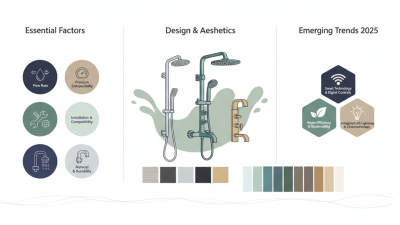
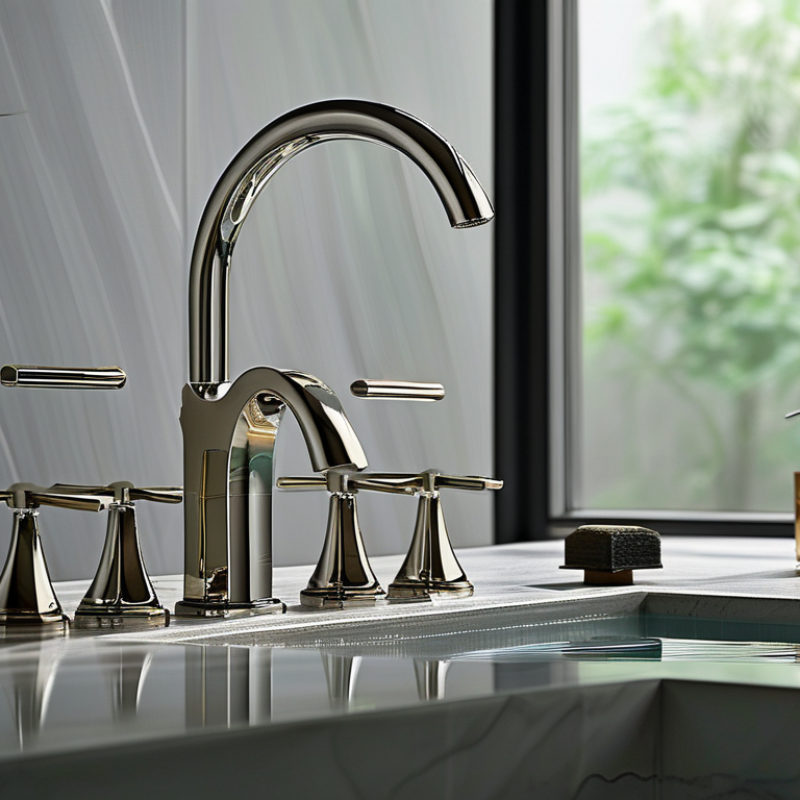
In 2026, shower faucet designs will reflect a blend of functionality and aesthetic appeal. Buyers are increasingly drawn to minimalistic styles that complement modern bathroom interiors. Sleek lines and matte finishes are gaining popularity. These designs not only look elegant but are also easier to maintain.
Sustainability is another key trend shaping shower faucets. Water-saving features are becoming a priority. Many faucets will incorporate technology to reduce water flow without compromising pressure. Consumers want efficiency that aligns with eco-friendly values. However, it is crucial for manufacturers to communicate the benefits of such innovations clearly.
While innovation is exciting, it often comes with challenges. Some users may find smart features overwhelming. Authentic experiences shared by other consumers can guide potential buyers. Personal accounts matter. With the right information, users can navigate new designs and find what truly fits their needs.
Key Features to Consider When Choosing Shower Faucets
When selecting shower faucets, several key features demand attention. Water efficiency stands out as a primary consideration. According to the U.S. Environmental Protection Agency, installing water-efficient showerheads can save an average family 2,900 gallons of water annually. This statistic highlights the benefits of choosing faucets that promote sustainability without compromising on performance.
Another essential aspect is user-friendly design. Ergonomics play a crucial role in ensuring ease of use, particularly for families with young children or elderly members. Adjustable settings and smooth operation help prevent frustration during daily routines. A survey by the National Kitchen and Bath Association found that 68% of consumers prioritize ease of use when purchasing fixtures.
Moreover, durability and material quality are vital in today's market. Consumers are increasingly looking for faucets made of corrosion-resistant materials. A report by the American Society of Plumbing Engineers suggests that faucets with higher-quality finishes can last up to 15 years longer than cheaper alternatives. This fact is an important reflection point for buyers seeking long-term investment in their bathroom fixtures.
Popular Brands and Their Innovations in 2026
In 2026, the global market for shower faucets is experiencing significant transformations. Innovation is crucial in this sector to meet the evolving needs of consumers. Recent industry reports indicate that nearly 70% of buyers prioritize water efficiency and advanced technology. Many brands are investing heavily in smart features, such as touchless sensors and programmable temperature controls. These innovations not only enhance user experience but also promote sustainability.
Sustainability is central to many brands' strategies. The demand for environmentally friendly products is rising. According to a market analysis, 55% of consumers are willing to pay more for eco-friendly options. Innovations in materials, like recycled metals and biodegradable plastics, are becoming more common. However, manufacturers must balance sustainability with product durability and performance. Some innovations in eco-friendly designs still need refinement and testing to ensure they meet high standards.
User comfort is another vital area of focus for brands. Enhanced ergonomic designs are now important features. Studies show that faucets with adjustable spray patterns improve user satisfaction. However, some users still find traditional designs more reliable. This reveals an ongoing need for manufacturers to listen to customer feedback. They must ensure that advancements do not compromise the fundamental purpose of shower faucets. Balancing tradition with innovation remains a challenge in this evolving market.
Sustainable Materials and Eco-Friendly Options
As buyers become increasingly aware of environmental issues, the shower faucet market is evolving. In 2026, consumers will prioritize sustainable materials and eco-friendly options. According to a recent report from the International Energy Agency, over 50% of buyers prefer products that demonstrate energy efficiency.
Many manufacturers are shifting towards recyclable materials. This ensures minimal environmental impact throughout the product's life cycle. The use of sustainable metals, like brass from recycled sources, is gaining traction. This not only enhances durability but also reduces ecological footprints. Additionally, eco-friendly finishes avoid harmful chemicals, further promoting a healthier indoor environment.
However, the challenge remains. Many products advertised as eco-friendly lack transparency in sourcing materials. Consumers often struggle to find authentic information about sustainability claims. A survey from the Green Building Council indicates that 40% of customers feel misled by vague sustainability marketing. This creates a need for heightened industry standards and clearer communication. Effective education is critical in helping buyers make informed choices.
Global Market Insights: Shower Faucets in Different Regions
The global shower faucet market is evolving rapidly. According to a recent report, the market is expected to grow by 4.5% annually until 2026. This growth varies significantly across regions, driven by different consumer preferences and regional standards.
In North America, modern designs are gaining traction. People prefer sophisticated features like digital controls and eco-friendly options. In Europe, traditional styles remain popular, with an emphasis on durability and craftsmanship. Asia-Pacific shows a unique blend, with rising demand for smart technology integrated into daily bathing routines. Emerging markets often reflect a mismatch between demand and regulatory standards.
Data also reveals that quality assurance is a crucial factor for buyers. Many consumers are dissatisfied with the longevity of cheaper options. This discontent pushes the industry towards higher-quality materials and better manufacturing processes. Continuous improvement and innovation are necessary for brands to stay relevant. Challenges in addressing these issues could hinder potential growth and customer satisfaction in the coming years.