What is the Best Shower Faucets for Your Bathroom Needs?
Choosing the right shower faucets is essential for any bathroom upgrade. Research shows that a well-selected faucet can enhance the overall bathing experience. In fact, a report by the National Kitchen & Bath Association revealed that bathroom fixtures account for about 20% of total remodeling costs. Therefore, understanding the variety of options can directly impact both comfort and budget.
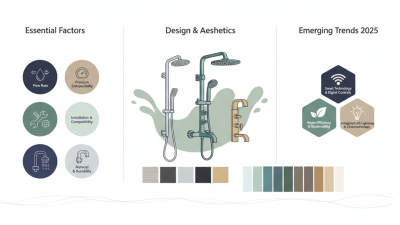
Shower faucets come in various styles and technologies. From traditional designs to modern touchless systems, the choices can be overwhelming. Data suggest that around 55% of homeowners prioritize aesthetics when selecting shower faucets, while 45% focus on functionality and water efficiency. This reflects a growing trend towards sustainably designed products that conserve water while maintaining a luxurious feel.
Nonetheless, even the best products can have shortcomings. Some faucets might not fit every water pressure setting, leading to variable performance. It's crucial to assess personal needs and preferences before making a decision. Investing in the right shower faucet can transform your daily routine, making it more enjoyable and efficient.
Types of Shower Faucets and Their Features
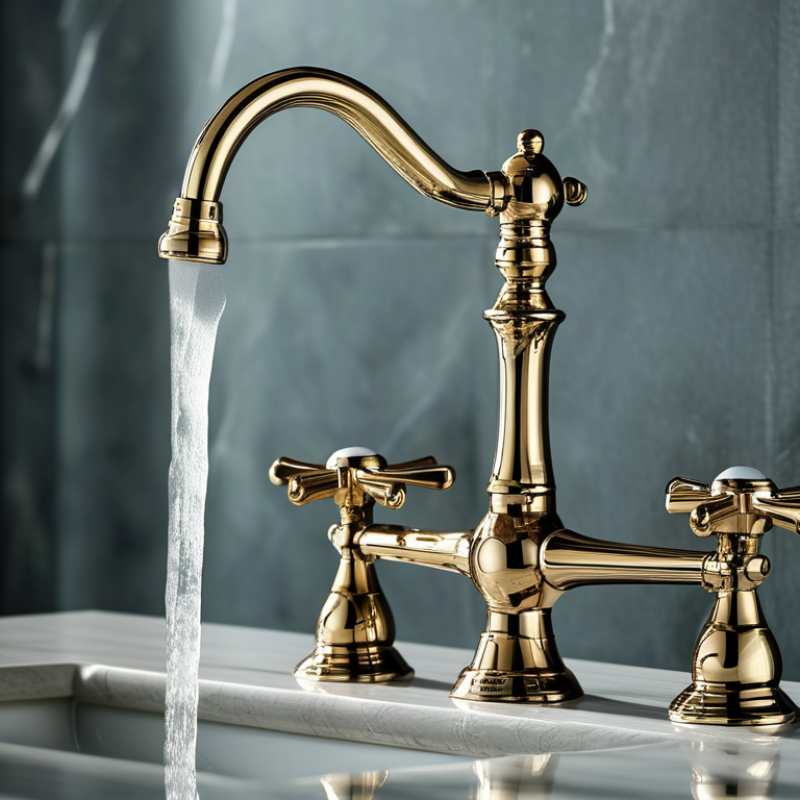
When selecting shower faucets, understanding the types available can greatly enhance your bathroom experience. There are several common types of shower faucets, each designed for specific needs. Traditional faucets often feature a dual-handle design, allowing for precise control of both hot and cold water. This can lead to a more tailored shower experience, but it may require more effort to adjust the temperature.
Thermostatic shower valves are another option. These sophisticated systems maintain a consistent water temperature, ensuring comfort and safety. They work well for households with children or elderly members, providing peace of mind. However, installation can be complicated, which may require professional help.
Finally, consider a pressure-balanced valve. This type offers a balanced water flow, adjusting to changes in hot or cold pressure. It's a great choice for steady water flow. However, it may not provide the luxurious feel some seek in high-end faucets. Understanding these options empowers you to choose a faucet that meets your needs. Each type has its pros and cons, reflecting your personal style and usage.
Key Factors to Consider When Choosing a Shower Faucet
When it comes to choosing the best shower faucet, several factors need your attention. The design and style of the faucet should match your bathroom decor. A balance between aesthetics and functionality is crucial. Think about the finish too; stainless steel, chrome, or matte black can significantly influence the bathroom's look.
Water pressure is another key point. Ensure that your faucet can handle the water pressure in your home. Testing your water pressure beforehand can save you headaches later. Additionally, consider the type of valve used; cartridge valves tend to offer smoother operation.
Tips for choosing the right faucet include measuring your space carefully. A faucet that is too large can overpower a small shower. Try to visualize how it will fit before buying. Also, don’t overlook ease of installation. Some faucets can be more complicated than others, which could lead to unnecessary frustration. Researching installation can help you avoid mishaps.
Top Brands and Models for Shower Faucets in the Market
When choosing the best shower faucets for your bathroom, it's essential to consider several acclaimed brands and models. Popular options often feature advanced water-saving technologies. These faucets provide a luxurious shower experience while being eco-friendly. Many consumers appreciate models that offer multiple spray settings. A rainfall option, for instance, can add a spa-like feel to your daily routine.
Several brands stand out in the market today. Look for products that ensure ease of installation. Some models are designed for DIY enthusiasts, while others require professional help. Pay attention to the materials used. Durable finishes can resist water stains and corrosion, ensuring long-term reliability.
It can be overwhelming to navigate numerous choices. Carefully read customer reviews and expert opinions. Seek out those who have firsthand experience with various models. This will give you a better perspective on what works and what doesn’t. Remember, the perfect faucet also complements your overall bathroom design. Balancing aesthetics with functionality is crucial for a satisfying purchase.
Installation Tips for Your New Shower Faucet
Installing a new shower faucet can seem daunting. However, with the right approach, it becomes manageable. According to a 2022 survey by the National Kitchen and Bath Association, nearly 80% of homeowners prefer DIY installations over hiring professionals. This trend emphasizes the importance of understanding installation steps to achieve optimal results.
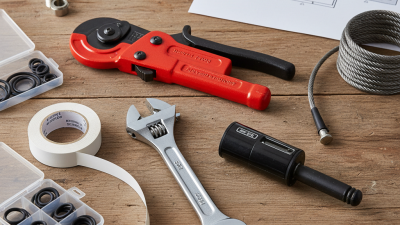
Preparation is key. Before starting, ensure you have the necessary tools, such as a wrench and Teflon tape. Accurate measurements of the existing plumbing will guide adjustment requirements. It's common to encounter unexpected challenges, such as old pipe corrosion, which might require additional tools or parts. Taking time to assess these factors upfront can prevent costly delays.
Another critical factor is water pressure. Research indicates that ideal water pressure for shower faucets ranges from 40 to 60 psi. If pressure is too low, it can reduce the shower's effectiveness. Adjusting your faucet to meet these specifications can enhance your overall bathroom experience. A simple checklist can help ensure all components function properly, but being open to troubleshooting any issues is essential during installation. Consider potential pitfalls and address them promptly for the best results.
Maintenance and Care for Long-lasting Shower Faucets
Caring for your shower faucets ensures they last longer. Regular maintenance can prevent costly replacements. Start by cleaning the faucets with a soft cloth and mild soap. Avoid abrasive cleaners that may scratch the finish. Regular wiping after each use helps prevent water spots and mineral buildup.
Check for leaks periodically. A small drip can lead to bigger issues over time. Tighten any loose fittings and replace worn-out washers. Applying plumber’s grease to moving parts can improve performance. Remember to inspect the water temperature; extreme heat can damage components.
Consider replacing filters if your water supply contains sediment. This simple step can extend the life of your valves. Keep an eye on the faucet’s performance. If water flow decreases, it might signal a blockage. These small gestures can go a long way in ensuring your shower faucets remain in optimal condition.
What is the Best Shower Faucets for Your Bathroom Needs? - Maintenance and Care for Long-lasting Shower Faucets
| Faucet Type |
Material |
Finish |
Water Flow Rate (GPM) |
Price Range ($) |
Maintenance Tips |
| Single Handle |
Brass |
Chrome |
2.5 |
50 - 100 |
Regularly clean aerator, check for leaks |
| Thermostatic |
Stainless Steel |
Brushed Nickel |
2.0 |
80 - 150 |
Check temperature settings, descale regularly |
| Dual Handle |
Plastic |
Oil Rubbed Bronze |
2.5 |
40 - 90 |
Inspect washers, tighten loose fittings |
| Wall-mounted |
Brass |
Polished Chrome |
2.5 |
100 - 200 |
Clean surfaces regularly, check for corrosion |
| Handheld |
Plastic |
Matte Black |
2.0 |
30 - 70 |
Remove and clean filter, inspect hose for damage |