What is the Best Faucet for Your Bathroom Upgrade Guide and Tips
Upgrading your bathroom can significantly enhance its overall aesthetic and functionality, and one of the most impactful elements in this transformation is the faucet bathroom selection. Choosing the right faucet not only contributes to the style of your space but also affects water efficiency and ease of use. With a myriad of designs, finishes, and technologies available on the market, navigating through these options can be overwhelming. This guide is designed to streamline your decision-making process by providing essential tips and insights on selecting the perfect faucet for your bathroom upgrade.
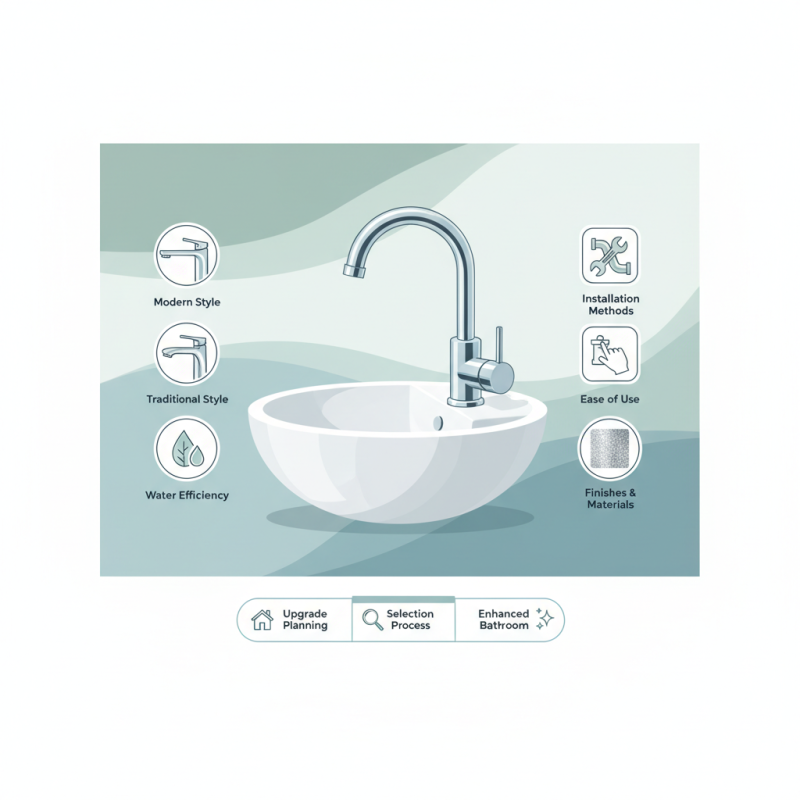
In this comprehensive outline, we will explore various styles of faucets, from modern to traditional, and discuss how each can complement different bathroom designs. Additionally, we will highlight key features to consider, such as water-saving technology and installation methods, ensuring you choose a faucet bathroom fixture that not only meets your aesthetic desires but also aligns with practical needs. Whether you are aiming for a sleek and contemporary look or a charming vintage vibe, finding the ideal faucet is a crucial step in elevating your bathroom space to new heights of elegance and functionality.
Choosing the Right Faucet for Your Bathroom Upgrade
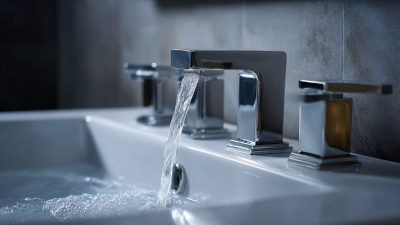
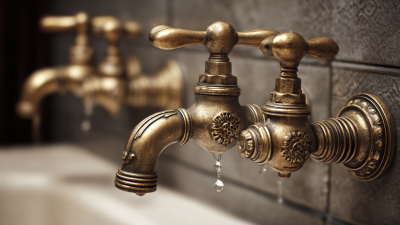
When choosing the right faucet for your bathroom upgrade, consider both functionality and aesthetic appeal. The faucet is often a focal point in the bathroom, so it’s important to select one that complements your overall design. If your bathroom has a modern look, sleek lines and minimalist designs are ideal. Conversely, if you lean towards a more traditional style, opt for faucets with intricate details and vintage finishes.
Tips for choosing the right faucet include measuring your sink and ensuring compatibility with existing plumbing. This will save you time and costs in modifications. Additionally, think about the spout height and reach—these factors will impact usability. While choosing a finish, consider how it matches other fixtures and withstands wear over time. A well-chosen faucet not only enhances the bathroom's appearance but also contributes to its functionality, so take your time to find the perfect one for your space.
Lastly, don’t forget to consider the installation process. Some faucets are easier to install than others, and if you're planning a DIY project, this could save you time and money. Look for models that come with clear instructions and all necessary components. Taking these aspects into account will ensure your bathroom upgrade is a success, making your daily routines more enjoyable.
Faucet Preferences for Bathroom Upgrade
Understanding Different Faucet Types and Styles
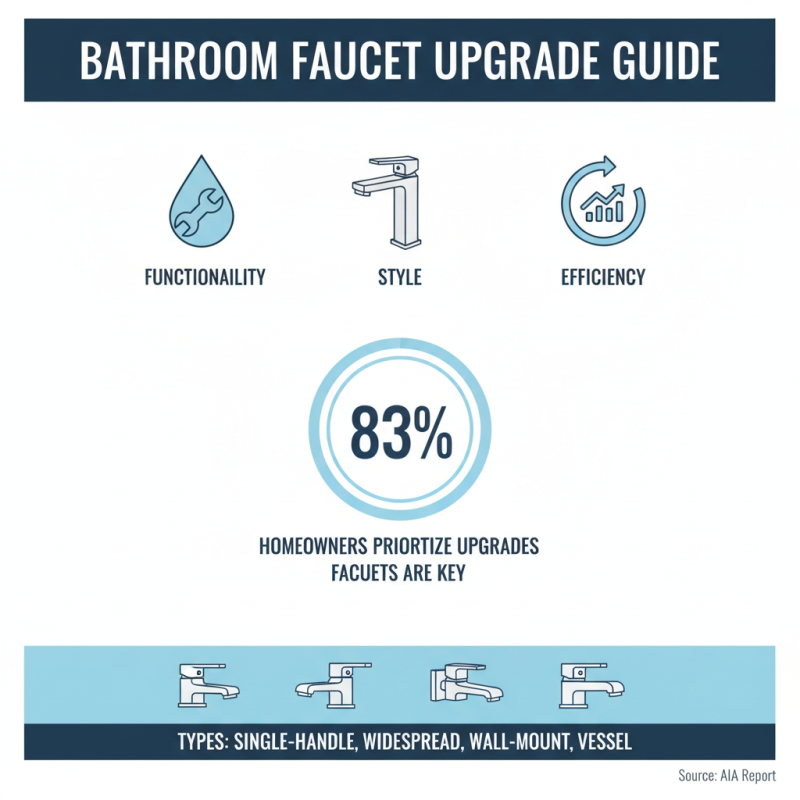
When upgrading your bathroom, choosing the right faucet is critical to achieving both functionality and style. Understanding the different types of faucets available can significantly impact your overall design and usability. According to a report from the American Institute of Architects, nearly 83% of homeowners prioritize bathroom upgrades, with faucets playing a central role in enhancing both aesthetics and efficiency.
There are several faucet types to consider, including single-handle, double-handle, and widespread faucets. Single-handle faucets are known for their convenience and ease of use, allowing quick adjustments to water temperature with one hand. In contrast, double-handle faucets, which feature separate handles for hot and cold water, tend to offer better precision in temperature control. Widespread faucets, featuring separate spouts and handles, can provide a more customized look, often favored in luxury bathroom designs. Data from the National Kitchen and Bath Association indicates that widespread faucets are becoming increasingly popular as homeowners seek more personalized styling options in their bath spaces.
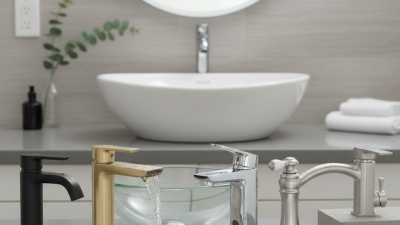
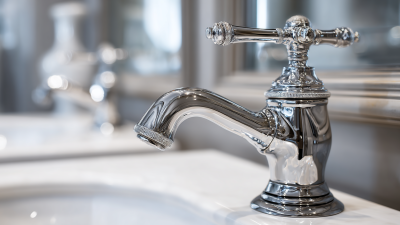
In terms of styles, traditional, modern, and transitional faucets can radically change the design atmosphere of your bathroom. Traditional faucets often feature ornate designs and finishes, creating a classic look, while modern faucets typically emphasize sleek lines and minimalistic forms. Transitional faucets serve as a bridge between the two styles, merging contemporary and traditional elements. A survey conducted by Remodeling Magazine highlights that 56% of remodeling homeowners are opting for modern or transitional styles, reflecting an overall trend towards simplicity and elegance in bathroom design. This shift also emphasizes the importance of choosing a faucet that not only meets functional needs but also aligns with your personal style and the theme of your home.
Key Features to Consider When Selecting a Faucet
When selecting a faucet for your bathroom upgrade, it’s essential to focus on key features that enhance both functionality and aesthetics. According to a report by the Home Improvement Research Institute, over 70% of homeowners prioritize water efficiency in their bathroom fixtures. This consideration not only helps in conserving water but can significantly reduce utility bills. Look for faucets with WaterSense certification, which guarantees that the product uses at least 20% less water than the standard.
Another critical aspect to consider is the faucet's style and finish. The American Institute of Architects indicates that the overall design of bathroom fixtures accounts for as much as 30% of a homeowner's satisfaction with their space. Popular finishes such as brushed nickel or chrome can coordinate with various decor styles, while modern technologies, like touchless faucets, are increasingly sought after for their convenience and hygiene benefits. Furthermore, ensure the faucet has a quality valve system, as durability and performance can greatly affect long-term usage. Studies show that products with ceramic disc cartridges tend to last longer and resist leaks, which can save both effort and repair costs down the line.
Installation Tips for New Bathroom Faucets
When upgrading your bathroom, selecting the right faucet is crucial not only for aesthetic appeal but also for functionality. According to a report by the Home Improvement Research Institute, homeowners can increase their property value by up to 10% through modern bathroom renovations. However, the success of this upgrade often hinges on the quality of installations, especially for new faucets. Proper installation ensures longevity and optimal performance, leading to lower maintenance costs over time.
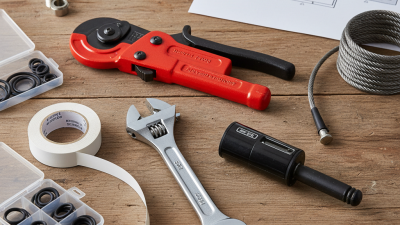
When installing a new bathroom faucet, one key tip is to carefully read the manufacturer’s instructions. Research indicates that improper installation can lead to 40% of plumbing issues, which may result in costly repairs. It’s vital to inspect all components before beginning the installation to ensure you have everything needed to complete the job without delays. Utilizing plumber’s tape on threading can prevent leaks, while ensuring that water lines are tightened adequately will further enhance the faucet's durability.
Lastly, considering the water flow rate is essential; the EPA estimates that low-flow faucets can significantly reduce water usage by 30%, contributing to overall water conservation in households.
Maintenance and Care for Your Bathroom Faucet
When upgrading your bathroom faucet, maintenance and care play a crucial role in ensuring longevity and optimal performance. According to a 2022 industry report from the American Institute of Architects, homeowners are increasingly prioritizing fixtures that both elevate aesthetics and are easy to maintain. Regular care, such as cleaning your faucet with mild soap and water, can prevent buildup of mineral deposits and grime, which are common issues that compromise the faucet's functionality over time.
Moreover, a study by the Faucet Manufacturers Association revealed that nearly 70% of faucet leaks arise from improper maintenance—an often overlooked aspect by homeowners. Periodic checks for any leaks and promptly addressing them can not only preserve water resources but also save homeowners an average of $200 yearly on water bills. Additionally, replacing washers and other internal components regularly can significantly extend the faucet's life, reinforcing the principle that preventive maintenance is infinitely more cost-effective than emergency repairs. By adopting a proactive maintenance routine, homeowners can ensure their bathroom faucets remain reliable and visually appealing for years to come.