How to Choose the Best Door Hinges at the 2026 Canton Fair?
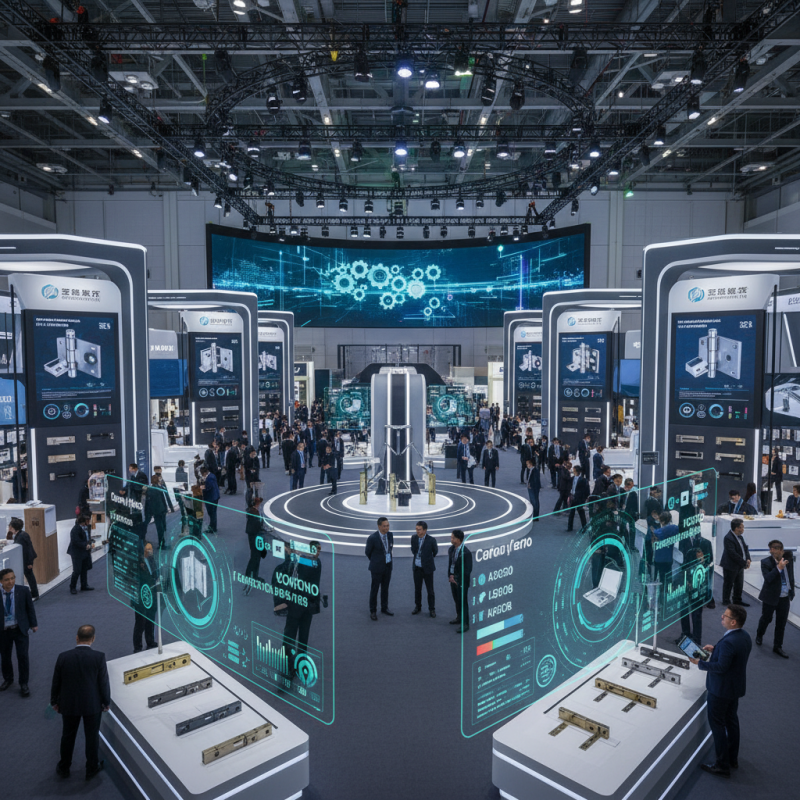
Choosing the right Door Hinge is crucial for lasting functionality and aesthetics. At the 2026 Canton Fair, a massive event showcasing innovations, you can find a diverse range of door hinges. With over 1.55 million square meters of exhibition space, navigating this extensive selection can be a challenge.
AI-powered search and navigation will enhance your experience. You can filter suppliers based on important certifications like ISO and CE. This innovation will save time and improve efficiency. However, while the technology is impressive, relying too heavily on it may lead to overlooking quality details essential for your decision-making.
Keep an eye on various materials, finishes, and designs available at the fair. Some hinges may look good but fail to meet your expectations. Pay close attention to the load capacity and durability of each option. It’s easy to be swayed by attractive displays. Make sure you're making an informed choice. Exploring different booths may reveal unexpected opportunities, but don't rush—consider your needs carefully. Selecting the best door hinge means balancing aesthetics, function, and quality.
Understanding the Different Types of Door Hinges Available at the Fair
When you visit the 2026 Canton Fair, understanding the different types of door hinges is essential. There are several options to consider. The most common types include butt hinges, continuous hinges, and piano hinges. Each serves a different purpose and is suited for various applications. For example, butt hinges are often used in residential doors, while continuous hinges provide extra support for heavier doors.
When assessing hinges, think about their material. Common choices are stainless steel and brass. Stainless steel is durable and rust-resistant. Brass, while elegant, may require more maintenance. Ensure you check the weight capacity of the hinge. It's crucial to match the hinge type with the door’s material and weight for optimal performance.
Tips: Always test the hinge's movement. Is it smooth? Does it align properly? Pay attention to the finish quality as well. A rough finish can lead to wear over time. Speak to exhibitors about the manufacturing process; this can reveal a lot about durability. Trust your instincts when choosing. Sometimes a decision feels right, even without all the data. Choose wisely based on your project needs.
How to Choose the Best Door Hinges at the 2026 Canton Fair? - Understanding the Different Types of Door Hinges Available at the Fair
| Hinge Type | Material | Max Load (lbs) | Common Uses | Price Range ($) |
| Butt Hinge | Steel | 200 | Interior Doors | 10-20 |
| Piano Hinge | Stainless Steel | 300 | Cabinet Doors | 15-25 |
| Continuous Hinge | Aluminum | 250 | Heavy Doors | 20-40 |
| Ball Bearing Hinge | Brass | 400 | Exterior Doors | 25-50 |
| Spring Hinge | Steel | 180 | Self-closing Doors | 15-30 |
Factors to Consider When Selecting Door Hinges for Your Project
Selecting the right door hinges is crucial for any project. Many factors need to be considered. The material of the hinge plays a significant role. Stainless steel, for example, is strong and resistant to rust. On the other hand, brass provides a classic look but may tarnish over time. Weigh the pros and cons of each option.
Pay attention to the size and weight capacity of the hinges too. A larger door may require heavy-duty hinges for stability. In contrast, lighter doors can use smaller, less robust models. Not accounting for weight can lead to sagging doors. Also, consider the style of the hinge. Decorative options can add flair, while functional designs keep things simple.
Don’t overlook installation requirements. Some hinges are easier to install than others. Think about the tools you have on hand. It’s also wise to reflect on your skill level. A complicated hinge may lead to frustration and errors. Finding quality hinges that match your project’s needs requires careful thought and attention to detail.
Evaluating Material Quality and Durability of Door Hinges
When evaluating the material quality of door hinges at the 2026 Canton Fair, consider the type of metal used. Stainless steel is a common choice, known for its resistance to corrosion. A study by the International Door Association indicates that stainless steel hinges can last over 50 years in humid environments. However, not all stainless steel is equal. Look for those with higher nickel content for better durability.
Another crucial aspect is the hinge's design and thickness. Thicker hinges generally provide better support. Research shows that hinges with a minimum thickness of 0.09 inches outperform thinner options in heavy-duty applications. A less common hinge material is brass, which offers both aesthetic appeal and corrosion resistance, but may not be as robust under constant strain.
Pay attention to the finish as well. Powder-coated finishes can improve durability, increasing resistance to scratches. However, these finishes may chip over time, decreasing the overall lifespan of the hinge. Inspecting samples at trade shows is essential. Sometimes, what appears high-quality can hide subpar components. Recognizing these nuances can make a significant difference in your selection process.
Material Quality and Durability of Door Hinges
Assessing Aesthetic Compatibility of Hinges with Door Design
When selecting door hinges, aesthetic compatibility is crucial. Hinges should enhance the overall design of the door. Consider the door's color, texture, and style. Matte black hinges can pair well with modern interior doors. Meanwhile, brass hinges may suit rustic or vintage designs better.
Look at the size and shape of the door. A large, heavy door needs sturdy hinges. Choose hinges that are proportionate. Sometimes, shoppers overlook this. They focus too much on color instead of functionality. It’s essential to balance both aspects.
Don’t forget about finish and details. Polished finishes feature elegance, while brushed ones offer subtlety. Is there a mismatch? It can ruin the door’s appeal. Observing trends is also important. Designs evolve, and your choice should reflect current styles without sacrificing timelessness.
Tips for Comparing Prices and Features at the Canton Fair
When attending the 2026 Canton Fair, it's crucial to compare door hinges effectively. Start by evaluating the materials. Strong materials ensure durability, but they may also cost more. Not all exhibitors provide clear information, so ask questions. Examine samples whenever possible to assess quality.
Next, consider the features of the hinges. Look for options like adjustable sizes or noise reduction. Some hinges might focus on aesthetics, while others prioritize strength. Weighing these aspects can be challenging. Take notes and mark down ideas that resonate with your needs.
Don't forget to compare prices. Just because a product is presented beautifully doesn't mean it’s the best price. Keep a budget in mind. Some suppliers may negotiate, while others stick to a price. Make a list of potential suppliers and revisit them if needed. Think critically before making a decision, reflecting on what really matters to you.


