Best Butterfly Valve Types for Global Sourcing Needs?
When discussing the best Butterfly Valve types for global sourcing needs, it is essential to understand their diverse applications. Butterfly valves play a crucial role in controlling fluid flow in various industries. Their design offers a unique blend of efficiency and reliability.
Quality Butterfly Valves must meet specific industry standards. The right choice can enhance system performance, reduce downtime, and ensure safety. Sourcing these valves can present challenges. Understanding product specifications and material requirements is key.
Not all butterfly valves are created equal. Some may lack durability or optimal performance. Buyers should be critical of suppliers and products. Proper research can lead to informed decisions. Remember, a quality butterfly valve contributes significantly to operational success.
Overview of Butterfly Valve Types for Global Sourcing
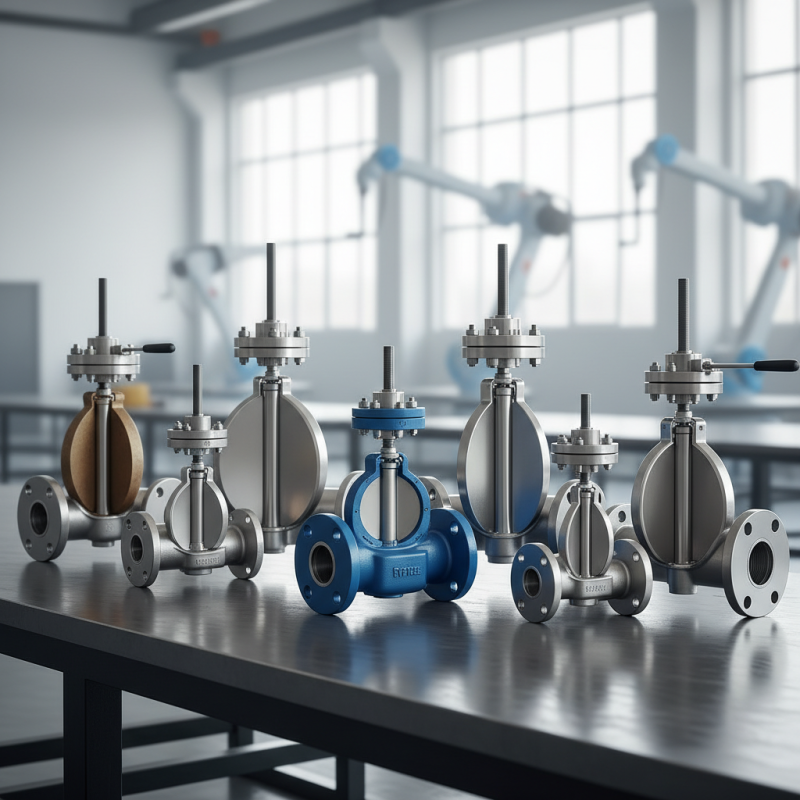
When considering butterfly valves for global sourcing, it's essential to analyze various types and their applications. Different designs serve distinct functions. For instance, wafer-style butterfly valves are often used in water applications. Their compact design allows for easy installation between flanges. Another option, lug-style valves, offers more flexibility for maintenance. Moreover, they allow for easy installation and removal without disrupting the system.
According to a report by MarketsandMarkets, the global butterfly valve market is projected to reach USD 8.4 billion by 2025. This growth reflects the rising demand in water supply and sewage treatment. Additionally, industries like oil and gas are also significant contributors. Their need for reliable flow control is driving innovation in valve designs. However, not all suppliers meet the required international standards. Quality control remains a critical issue.
Furthermore, the choice of materials is essential. Common materials include cast iron, stainless steel, and plastic. Each material has its advantages and disadvantages, depending on the environment. For example, stainless steel offers corrosion resistance but at a higher cost. On the other hand, plastic valves weigh less, simplifying transport and installation but may have lower pressure ratings. Understanding these nuances is crucial for effective sourcing decisions.
Key Features to Consider When Sourcing Butterfly Valves
When sourcing butterfly valves, several key features warrant attention. The valve's body material is crucial. Common options include stainless steel, ductile iron, and PVC. Each material offers distinct durability and resistance characteristics. Assessing environmental conditions helps in choosing the right material. For example, PVC might be unsuitable for high-temperature applications.
Another vital feature is the seat design. A good seat ensures a reliable seal. Different seat materials can accommodate various pressures and temperatures. This affects longevity and performance. Also, the actuator type is important. Manual, electric, and pneumatic actuators serve different operational needs. Understanding these differences helps in selecting the appropriate actuator to enhance functionality.
The sizing of the valve is often overlooked. Correct sizing impacts flow rates and pressure loss. Oversized valves can lead to inefficiency. Conversely, undersized valves might not handle required capacity. More than just technical specs, installation requirements should also be considered. Proper installation can mitigate future maintenance issues. Small oversights here may lead to larger problems down the road.
Best Butterfly Valve Types for Global Sourcing Needs
| Valve Type | Material | Pressure Rating | Temperature Range | Applications |
| Lug Type | Cast Iron | 150 PSI | -20°F to 250°F | Water, Oil, Gas |
| Wafer Type | Stainless Steel | 200 PSI | -40°F to 300°F | Pipelines, HVAC |
| Double Flanged | Ductile Iron | 150 PSI | -20°F to 250°F | Wastewater, Slurry |
| Plastic Butterfly Valve | PVC/CPVC | 100 PSI | -40°F to 140°F | Chemical Processing, Aquariums |
| Electric Butterfly Valve | Aluminum | 150 PSI | -20°F to 250°F | Automated Systems |
Popular Materials Used in Butterfly Valve Manufacturing
When it comes to butterfly valves, selecting the right material is crucial. Common materials include stainless steel, ductile iron, and PVC. Each option has unique properties that influence performance and suitability. Stainless steel is known for its corrosion resistance and durability. It’s ideal for harsh environments. Ductile iron offers strength and is great for water and wastewater applications. PVC is lightweight and cost-effective but may not withstand high temperatures.
The choice of material affects longevity and maintenance. For example, stainless steel valves may require less frequent replacements. On the other hand, PVC may become brittle over time under UV exposure. Users must consider their specific needs when sourcing. Factors like fluid type and temperature range play a significant role in material choice.
Some applications face challenges with compatibility. For instance, lining the valve with different materials can create problems over time. While steel valves may be robust, they can also be prone to stress corrosion cracking. Tracking these details is essential for ensuring optimal performance. Sourcing the right valve material requires careful consideration and sometimes a willingness to reflect on past decisions.
Applications and Industries Benefiting from Butterfly Valves
Butterfly valves are vital components in various industries. They are widely used in water treatment, oil and gas, and HVAC systems. In water treatment facilities, they control flow rates and ensure efficient operation. These valves offer quick shut-off capabilities, making them ideal for managing water supply systems.
In the oil and gas sector, butterfly valves handle high pressures and temperatures. They are essential for regulating the flow of liquids and gases. Their design enables easy maintenance and replacement, a crucial aspect for minimizing downtime. Additionally, in HVAC systems, these valves help manage airflow effectively. They can be used in both commercial and residential heating or cooling applications.
However, not all applications are suitable for butterfly valves. Users must consider specific conditions like fluid type and flow characteristics. Some processes may require more durable valve materials. Evaluating the environment is essential for reliability. A thorough understanding of these factors can improve performance and longevity. Each application presents unique demands, making informed sourcing critical.
Global Sourcing Strategies for Effective Butterfly Valve Procurement
When sourcing butterfly valves globally, effective strategies are crucial. These valves are vital in various industries, impacting flow control and system efficiency. In 2022, the global butterfly valve market was valued at approximately $3.5 billion and is expected to grow steadily. Understanding market dynamics can enhance procurement decisions.
Choosing the right materials is essential. Different environments require various materials, such as stainless steel or PVC. These selections affect durability and cost. In a recent study, 62% of procurement managers indicated that material choice profoundly influenced operational costs.
Tips: Always assess the valve's specifications. Gathering precise data can prevent future issues. Engage with multiple suppliers to explore options. Don't settle on the first choice; comparison promotes better deals.
Developing strong relationships with suppliers is vital. It ensures better pricing and reliability. However, communication gaps can arise. Poorly defined needs lead to misunderstandings. An industry survey revealed 47% of procurement errors stemmed from unclear requirements. Always clarify to mitigate risks.