10 Best Bug Specimen Suppliers for Global Buyers?
Choosing reliable Bug Specimen suppliers requires more than comparing photographs, prices, and shipping promises. Buyers need evidence of lawful sourcing, accurate identification, stable preservation, and careful packaging. A damaged beetle, faded wing, or missing locality label can weaken an otherwise valuable collection.
The Global Biodiversity Information Facility (GBIF) has expanded access to hundreds of millions of biodiversity records, showing the importance of traceable species information. The IPBES Global Assessment also reported that around one million species face extinction risks, with insects included among poorly understood groups. These findings make responsible purchasing increasingly important. A supplier should explain collection methods, specimen origin, documentation, and conservation safeguards clearly.
Entomologist David Grimaldi has often emphasized, “Insects are the most diverse group of organisms on Earth.” His observation reminds buyers that every specimen represents a small part of a vast biological record. It also suggests a practical responsibility: suppliers should protect scientific value, not merely sell attractive displays.
This guide evaluates 10 Best Bug Specimen Suppliers for Global Buyers through that wider lens. It considers product consistency, identification quality, ethical sourcing statements, international shipping experience, and customer communication. No supplier list is flawless. Public information can be incomplete, and quality may vary between batches. Buyers should still request current documentation before ordering. The best choice may not be the cheapest one. It may be the supplier that answers difficult questions with precise, verifiable details.
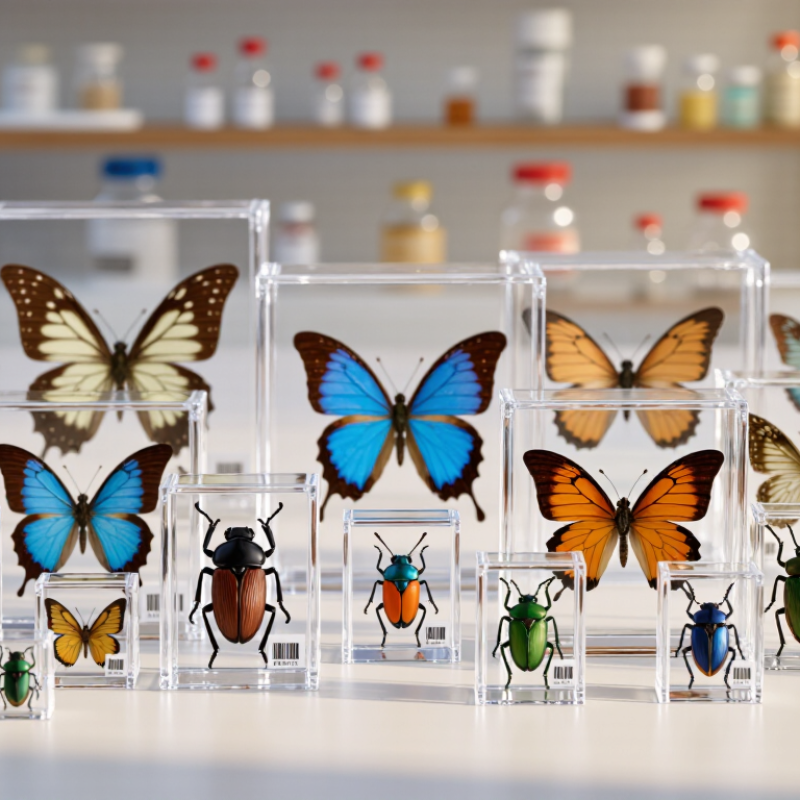
What to Consider When Choosing a Bug Specimen Supplier
Choosing among the 10 best bug specimen suppliers requires more than attractive photographs. A reliable supplier should explain where each specimen came from, when it was collected, and how it was preserved. Ask for the scientific name, collection location, date, and preparation method. Vague descriptions are warning signs. They are risky.
Experienced suppliers understand condition grading. A beetle with bright wings may still have a cracked leg or loose antenna. Request close-up images under natural light. Ask whether the specimen is pinned, mounted, or supplied loose. These details affect display, teaching, and long-term storage.
Legal and ethical sourcing deserves careful attention. The supplier should provide relevant export documents and confirm that protected species are excluded. Requirements differ by destination, so buyers should check local import rules before payment. Responsible handling matters too. Avoid suppliers who cannot explain collection practices or seasonal restrictions. Packaging also reveals practical expertise. A rigid box, soft internal support, and moisture control can prevent damage during transit. For humid destinations, ask about mold protection and acclimatization instructions. A clear replacement policy is useful, although photographs do not always prove transit damage. Knowledgeable staff should answer identification questions without exaggerating rarity. They should admit uncertainty when a specimen needs expert verification. I have seen attractive listings fail because measurements were missing. It is a small oversight, but it complicates display planning. Compare consistency across several orders, not one perfect parcel.
Types of Bug Specimens Available to Global Buyers
Types of Bug Specimens Available to Global Buyers
Global buyers can choose from several lawful specimen formats. Pinned dried insects remain popular for teaching, research, and display. They show body shape, wing patterns, and leg structure clearly. Beetles, butterflies, moths, dragonflies, and grasshoppers are commonly available. Some suppliers also offer preserved spiders and other arthropods.
Wet-preserved specimens reveal soft tissues and natural body volume. They usually arrive in sealed containers with clear preservation fluid. Slide-mounted parts can help examine antennae, wings, or mouthparts under magnification. Molted skins and empty shells provide useful alternatives when complete specimens are unsuitable. Each item should include its scientific name, collection location, date, and preparation method. A beautiful specimen without reliable data has limited professional value. That is easy to overlook.
Tips: Ask for clear photos before purchase. Check the specimen’s condition, labeling, and packaging. Confirm import rules, permits, and protected-species restrictions in your country. Responsible suppliers should explain legal origin and shipping requirements without vague promises. Avoid items with missing records. Keep invoices and collection documents after delivery. Packaging also matters; fragile wings can break during transport. I have seen buyers focus on appearance first, then regret weak documentation. A small crack may be acceptable, but hidden moisture or fading is not. Compare several suppliers, and request answers in writing.
Types of Bug Specimens Available to Global Buyers
The chart compares common specimen formats offered in the international entomology trade. These formats are used for education, research, museum displays, and collection purposes; availability may vary by species, destination, and import regulations.
A single insect may be available in more than one format. Pinned adults and framed displays are commonly used for visual collections, while alcohol-preserved, slide-mounted, larval, and exuviae specimens are more often selected for scientific or educational use.
Shipping, Import Rules, and Safe Handling of Bug Specimens
When comparing the 10 best bug specimen suppliers for global buyers, shipping compliance matters as much as specimen quality. Choose sellers who provide scientific names, collection locations, dates, and legal sourcing records. These details help customs officers verify the package quickly. Import rules differ by country, even for dead, preserved specimens. Some species may require permits, health certificates, or protected-species documentation. Check your destination’s customs and environmental agencies before ordering. Do not rely only on a supplier’s website.
Tips: Ask for a complete invoice and accurate package description. Use sealed containers with absorbent padding. Confirm whether alcohol-preserved specimens can enter your country. A customs broker can clarify difficult shipments. Small labels prevent large problems.
Safe handling begins when the parcel arrives.
Wear gloves when opening containers, especially if preservatives are present. Work in a ventilated area and keep specimens away from food, children, and pets. Inspect the package for leakage, mold, or damaged wings. Photograph the contents before storage.
Store dry specimens in airtight boxes with silica gel.
Keep preserved specimens upright and check the liquid level regularly.
Mistakes happen, even with experienced collectors. A missing permit or vague label can delay delivery for weeks. Careful records make future purchases easier and more reliable.
Comparison Criteria for the Ten Best Bug Specimen Suppliers
Choosing among the ten best bug specimen suppliers requires more than comparing prices. Global buyers should examine legal provenance, taxonomic accuracy, preservation quality, packaging, and delivery reliability. The IUCN Red List reports more than 166,000 assessed species, with over 46,000 threatened. Insects remain seriously under-assessed. Therefore, suppliers should provide collection dates, locations, scientific names, and documentation for permitted trade.
A useful comparison score gives provenance and identification the highest weight. High-resolution labels matter. So does expert verification. Inspectors should check for broken legs, faded colors, mold, and loose pins. The FAO’s Global Forest Resources Assessment reports that about 420 million hectares of forest disappeared between 1990 and 2020. This makes responsible sourcing increasingly important. Suppliers should explain whether specimens are captive-bred, legally collected, or obtained from approved educational channels. A cheap specimen may become expensive after customs delays, damage, or missing paperwork. I have found that delivery photos can reveal more than polished catalog images.
Tips: Request a sample label before ordering. Confirm export and import requirements with official authorities. Compare replacement policies, not only shipping fees. Ask how specialists verify difficult species. No scoring model is perfect; regional regulations and fragile specimens can change the result. Buyers should record supplier responses in a simple comparison sheet.


