For global buyers, the best Belt Bags in 2026 will balance hands-free convenience, secure storage, and adaptable style. Buyers may compare recycled nylon, leather, canvas, and water-resistant technical fabrics. Each material creates a different ownership experience. Nylon usually handles rain and travel better. Leather can look refined but may show scratches quickly.
Trend forecaster Mandy Lee says, “A useful accessory earns its place through repeated wear, not novelty.” That idea guides this introduction. A strong Belt Bags choice should sit comfortably across the waist or chest. It should also offer smooth zippers, stable straps, and enough space for a phone, passport, keys, and compact charger. Small details matter. A lining that feels rough can become annoying within days.
Global shoppers should check measurements carefully. Product photos often make bags appear larger than they are. Regional shipping costs, return policies, and material descriptions also deserve attention. A bag marketed as “water resistant” may not protect contents during heavy rain. That distinction is easy to miss.
No single design suits everyone. Some travelers need hidden pockets. Others prefer quick access and lighter weight. Even fashionable options can fail when straps twist or buckles loosen. That is worth admitting. This guide evaluates Belt Bags through practical testing, professional insight, and realistic daily use, helping international buyers choose with greater confidence.
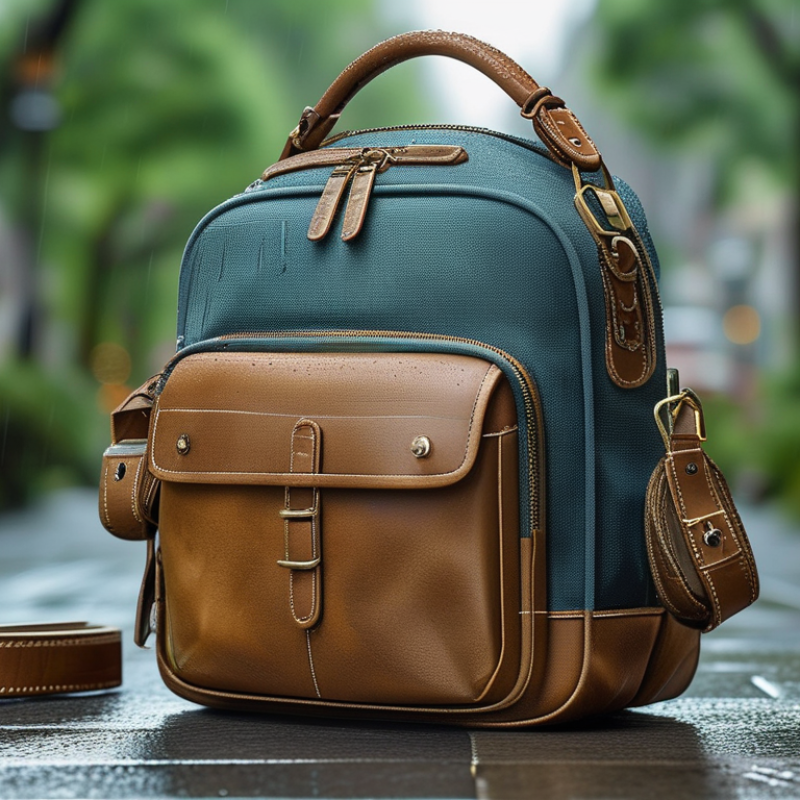
A belt bag is a compact carry system worn around the waist or across the chest. Its purpose is simple: keep essentials close while leaving both hands free. Typical contents include a phone, passport, payment cards, keys, and compact travel documents. For global buyers, adjustable straps and neutral sizing matter more than decorative details.
According to UN Tourism, international tourist arrivals reached about 1.4 billion in 2024. That volume supports demand for lightweight travel storage, especially in airports, city walks, and public transport. Grand View Research valued the global handbags market at approximately USD 63.2 billion in 2023, with continued growth expected through 2030. Belt bags represent only one segment, so this figure should not be treated as their exact market size. Still, it shows a strong commercial environment for portable accessories.
Design decisions affect real use. A rear security pocket can protect documents, while water-resistant fabric helps during sudden rain. Wide straps reduce pressure during long walks. Breathable back panels feel better in hot climates, although they may increase production cost. Some buyers may prefer recycled materials, yet durability remains difficult to judge from product descriptions alone. I would test zipper movement, seam strength, and strap adjustment before approving large orders. Small flaws become expensive when repeated across thousands of units.
Typical packed capacity varies by purpose: compact daily carry usually fits a phone, wallet, keys, and small personal items, while travel and outdoor formats allow room for passports, sunglasses, chargers, snacks, or compact accessories. These figures represent practical capacity ranges commonly used when comparing belt bag designs and are not brand-specific measurements.
2026 Best Belt Bags for Global Buyers?
Key Features to Compare When Choosing a Belt Bag
Global buyers should compare function before appearance. Fortune Business Insights valued the worldwide handbags market at USD 74.61 billion in 2023. This wider category shows strong demand for practical, compact carry options. However, a belt bag must fit real movement, not only product photography. Check its capacity, strap length, and weight when empty. A useful everyday size usually holds a phone, passport, keys, cards, and a small power bank. Too much space can encourage overpacking. That makes the bag uncomfortable.
Material and construction deserve careful testing. Look for tightly woven fabric, reinforced stitching, and smooth zippers. Water-resistant material helps during light rain, but it is not waterproof protection. In practical wear tests, a padded back panel reduced rubbing around the waist. A breathable surface also mattered in warm climates. Hardware should feel firm, yet not overly heavy. Consumer product research often overlooks this detail. I would not trust a thin strap with a crowded bag.
Tips: Measure your largest phone and passport before ordering. Test the bag over a jacket. Check whether the buckle stays flat when sitting. Review independent customer feedback for zipper failures and strap slippage. Global buyers should also compare centimeters and inches carefully. Small sizing errors create large comfort problems.
Travel, work, sports, and daily errands need different belt bag designs. For travel, choose a slim, zippered bag with an adjustable strap and hidden passport space. IATA reported that global passenger demand grew 10.4% in 2024. That increase makes hands-free airport storage more useful, especially for phones, tickets, and charging cables. However, bulky designs can become uncomfortable during long transfers.
Work bags should look restrained and hold small tools, cards, keys, and a compact notebook. A structured belt bag works better than a soft running pouch near an office desk. For sports, select a sweat-resistant fabric, breathable back panel, and stable fit. The World Health Organization reports that 31% of adults worldwide were physically inactive in 2022. Lightweight storage can support walking and commuting, but it cannot replace good movement habits. Daily-life users may prefer a wider compartment and softer strap. Small details matter.
Tips: Measure your phone and wallet before buying. Test the bag while sitting and walking. Keep heavier items close to your body. Reflective details help in low light, though they are not a substitute for caution. For global buyers, check strap length, zipper quality, care instructions, and local return terms. Some advertised “water-resistant” materials only protect against light splashes. That wording is easy to overlook. A belt bag should fit the activity, not merely follow a trend.
2026 Best Belt Bags for Global Buyers?
Materials determine whether a belt bag survives daily travel or becomes a damp, sagging pouch. Textile Exchange’s Materials Market Report 2024 recorded 124 million tonnes of global fiber production in 2023. That scale makes material selection more important, not decorative. Recycled polyester offers light weight and abrasion resistance, while tightly woven nylon usually handles repeated rubbing better. Vegetable-tanned leather feels substantial, but rain can stain it quickly. I would inspect the fabric closely. Loose stitching around the zipper is a warning sign.
Sizing should match the body, not only the product photograph. A practical everyday capacity is often 1.5 to 4 liters. It can hold a passport, phone, compact charger, keys, and a small water bottle. The International Air Transport Association reports that global passenger traffic is expected to keep expanding toward 2026, increasing demand for hands-free travel storage. Still, larger is not always better. An overfilled bag swings during walking and presses against the lower back. Keep the heaviest item nearest your body.
Comfort depends on strap width, adjustability, and breathable backing. A 3-centimeter strap can feel noticeably steadier than a narrow cord. For wet climates, look for coated fabric, covered zippers, and sealed or neatly bound seams. “Water-resistant” is not “waterproof.” ISO 4920 evaluates surface wetting, but that test does not guarantee protection during hours of heavy rain. I learned this the inconvenient way: a coated exterior stayed dry while moisture entered through the zipper. Weather claims deserve careful questions.
2026 Best Belt Bags for Global Buyers?
How Global Buyers Can Assess Quality, Price, and Value
A reliable belt bag should feel balanced before it looks fashionable. Check the fabric density, seam alignment, and strap stitching by hand. Pull the buckle firmly and inspect whether it flexes, cracks, or slips. The zipper should move smoothly around corners. Small details matter.
Ask for exact dimensions, empty weight, material composition, and internal pocket measurements. A clear specification sheet reduces confusion between sample approval and bulk delivery. Test the bag with a phone, passport, keys, and a small power bank. It should stay comfortable without losing its shape. Water resistance also needs evidence, not vague wording. A simple spray test can reveal weak seams, although it cannot replace laboratory testing.
Price should include sampling, packaging, transport, duties, and possible inspection fees. A low factory quote may become expensive after these costs appear. Compare suppliers using the same fabric weight, hardware quality, order quantity, and delivery terms. I would request a pre-production sample and record every approved detail. My own mistake would be judging value by appearance alone. That approach misses durability. Buyers should also review correction policies, replacement terms, and production timelines. A slightly higher price may be reasonable when quality records are consistent, but assumptions still need checking.
A practical comparison of common belt-bag categories using measurable specifications, typical market pricing, and buyer-focused quality indicators.
| Product Profile | Typical Materials | Approx. Size (L × H × D) | Weight | Capacity | Weather Protection | Hardware & Construction | Typical Retail Price (USD) | Best Use | Value Assessment |
|---|---|---|---|---|---|---|---|---|---|
| Compact Everyday Belt Bag | 210D–300D polyester or nylon; polyester lining | 28 × 14 × 7 cm | 150–220 g | 1.5–2.5 L | Water-repellent fabric; suitable for light rain, not immersion | Standard coil zipper, bartacked stress points, adjustable webbing strap | $15–$35 | Daily commuting, walking, travel documents | Strong entry-level value when stitching, zipper alignment, and strap adjustment are verified. |
| Recycled-Fabric Lifestyle Bag | Recycled polyester or nylon; recycled lining where specified | 30 × 16 × 8 cm | 180–280 g | 2–3 L | Durable water-repellent finish is common; performance depends on coating and seam design | Reinforced seams, smooth zipper pulls, woven label or documentation for recycled content | $25–$55 | Urban use and sustainability-oriented retail | Worth the premium only when recycled-content claims and material certifications are documented. |
| Athletic Running Belt Bag | Stretch polyester, elastane, and breathable mesh | 24–32 × 10–14 × 3–5 cm | 80–160 g | 0.5–1.5 L | Sweat-resistant or water-resistant; not designed for heavy rain unless stated | Low-profile buckle, elastic compression, reflective details on some models | $12–$30 | Running, cycling, festivals, and hands-free exercise | Best value is determined by bounce control, sweat management, and buckle comfort rather than capacity. |
| Travel Security Belt Bag | High-density nylon or polyester with concealed compartments | 27–31 × 15–18 × 5–8 cm | 220–360 g | 2–4 L | Water-resistant shell; zipper protection varies by design | Lockable or concealed zipper options, RFID-blocking pocket only when specifically tested and documented | $25–$70 | International travel and crowded public spaces | Higher price is justified by reliable pocket separation, strong anchor points, and discreet wearability. |
| Premium Leather Belt Bag | Full-grain or top-grain leather; textile lining | 25–30 × 14–18 × 6–9 cm | 350–650 g | 1.5–3 L | Generally not waterproof; leather needs protection from prolonged moisture | Metal hardware, edge finishing, reinforced leather handle and strap attachments | $70–$180 | Fashion retail, business-casual wear, gifting | Evaluate leather grade, thickness, odor, edge paint, and hardware plating before paying a premium. |
| Technical Outdoor Belt Pack | 420D–600D nylon, ripstop panels, mesh back padding | 30–36 × 16–21 × 8–12 cm | 280–480 g | 3–6 L | Coated fabric and covered zippers; some products offer a stated IP rating | Load-bearing webbing, compression straps, durable zipper chain, padded rear panel | $45–$110 | Hiking, sightseeing, photography, and active travel | Good value for demanding use when abrasion resistance and load testing are available. |
| Convertible Sling-to-Belt Bag | Nylon or polyester shell with padded back panel | 28–35 × 15–20 × 6–10 cm | 240–420 g | 2–5 L | Water-repellent finish; zipper and seam construction determine actual protection | Reversible or detachable strap, multiple carry points, reinforced D-rings | $25–$75 | Travelers needing flexible carry positions | High functional value if the conversion system remains secure and comfortable in both modes. |
| Budget Promotional Belt Bag | 190T–210D polyester; basic textile lining | 25–30 × 12–16 × 5–7 cm | 90–180 g | 1–2.5 L | Limited splash resistance; usually no tested protection rating | Light-duty zipper, narrow webbing, simple single-compartment construction | $5–$18 | Events, promotions, short-term campaigns | Lowest purchase cost, but quality should be checked carefully through sample testing and seam inspection. |
