What is a Basin Faucet and How to Choose the Best One?
When considering home improvement, choosing the right basin faucet is crucial. A basin faucet not only adds aesthetic value but also impacts functionality. According to industry reports, nearly 70% of homeowners prioritize faucet quality over design. This statistic highlights the necessity for a reliable and efficient faucet.
The market is flooded with various options. A recent study shows that over 60% of consumers experience confusion when selecting a basin faucet. Factors such as style, material, and functionality complicate the decision-making process. Customers often overlook the importance of durability and longevity, leading to potential regrets in their choices.
In this guide, we will delve into key aspects of basin faucets that align with quality and performance. We will assess features that enhance user experience while also addressing common pitfalls to avoid. An informed choice can elevate any space, ensuring that the chosen basin faucet meets both need and style.
What is a Basin Faucet?
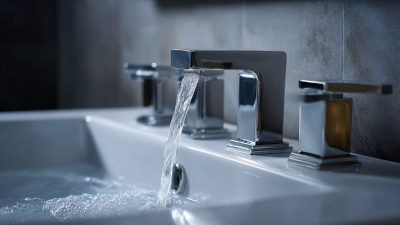
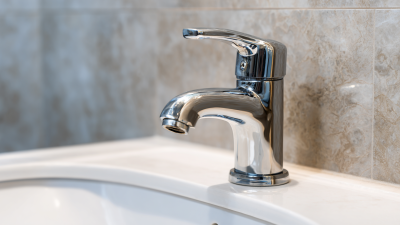
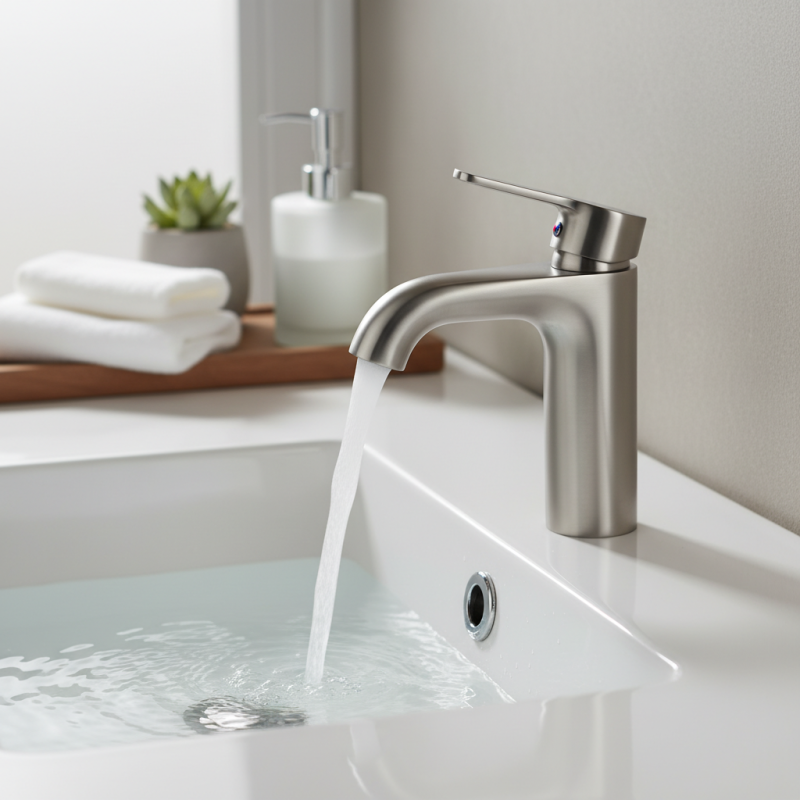
A basin faucet is a crucial fixture in your bathroom or kitchen. It is the device that controls the flow of water from a sink. Typically, basin faucets come in various styles, sizes, and finishes. These elements make them essential for both functionality and aesthetics. Your choice of faucet can significantly influence the overall design of your space.
When selecting a basin faucet, consider several factors. The height of the faucet is important; it must allow enough clearance for washing hands or filling pots. The spout design also matters. High-arc spouts offer more room, while low-arc designs save space. Additionally, think about the handle style—single or double. A single handle may be easier to use for some, while others prefer the control of two handles.
Quality is another major factor. Look for faucets made of durable materials, such as solid brass or stainless steel. Water efficiency ratings help ensure you’re making an eco-friendly choice. However, these options may come with a higher price tag. It’s worth reflecting on your needs and budget before making a decision. Sometimes, the perfect choice isn't immediately clear.
Basin Faucet Popularity by Type
This chart illustrates the popularity of different types of basin faucets. As shown, single handle faucets are the most preferred option, followed by double handle and pull down faucets. Touchless faucets have recently gained attention but remain less common.
Types of Basin Faucets Available in the Market
When choosing the right basin faucet, you’ll find a range of types available. Each type has unique features that cater to different preferences and needs. One popular option is the single-handle faucet. It allows for easy temperature and flow adjustments. These faucets often complement modern bathrooms with their sleek designs.
Another option is the double-handle faucet, which provides a classic look. Users appreciate the individual control for hot and cold water. However, it can be less convenient for quick adjustments. Wall-mounted faucets are also gaining traction, especially in contemporary spaces. They save counter space while adding a stylish touch.
Pull-down and pull-out faucets bring practicality to the bath. Their flexibility makes it easier to rinse and clean. However, some people may find the hose challenging to manage over time. Ultimately, the best choice depends on your personal style and functionality needs. Each faucet type comes with its own advantages and possible drawbacks, requiring careful consideration.
What is a Basin Faucet and How to Choose the Best One?
| Type of Basin Faucet |
Material |
Spout Height |
Handle Type |
Price Range ($) |
| Single-Handle Faucet |
Brass, Stainless Steel |
10-12 inches |
Lever |
50-150 |
| Dual-Handle Faucet |
Brass, Chrome |
8-10 inches |
Cross |
60-200 |
| Pull-Down Faucet |
Stainless Steel |
12-16 inches |
Lever |
80-300 |
| Wall-Mounted Faucet |
Brass, Nickel |
Varies |
Lever/Cross |
100-400 |
| Touchless Faucet |
Metal, Plastic |
10-14 inches |
Sensor |
150-500 |
Key Features to Consider When Choosing a Basin Faucet
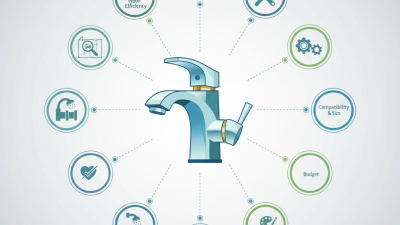
When selecting a basin faucet, several key features should guide your decision. One major consideration is the type of faucet operation. There are single-handle and double-handle options. A study by the Plumbing Industry Association shows that single-handle faucets are gaining popularity. They offer convenience and ease of use, particularly in busy households.
Another factor to contemplate is the material and finish. Faucets made from solid brass tend to last longer and resist corrosion. According to industry reports, a well-chosen finish can maintain its shine for years. Chrome and brushed nickel are typical choices. But remember, some finishes may show water spots more than others, requiring regular cleaning.
Water flow rates are also essential. Look for faucet models that meet or exceed EPA WaterSense standards. These faucets can save up to 30% more water compared to conventional models. However, balance water efficiency with adequate pressure. Inadequate water pressure can lead to frustration when washing hands or dishes. Make sure to test the faucet before purchasing, as flow rates can vary significantly across different designs.
Installation Tips for Basin Faucets
Installing a basin faucet requires careful considerations to ensure efficiency and style. Begin by assessing your sink’s design and water pressure. Research indicates that nearly 30% of plumbing problems stem from improper installation. Knowing this, a solid foundation in plumbing basics can save time and cost.
Preparation is crucial. Shut off the water supply before starting. This step prevents unexpected leaks. Clean the sink area thoroughly. A messy surface can lead to poor sealing. Utilize a basin wrench for tightening. This tool is essential in tight spaces. According to industry reports, many homeowners overlook this tool, resulting in easy-to-spot leaks.
After securing the faucet, check for water flow and leakage. Monitor the installation for a few days. If issues arise, re-evaluation may be necessary. Adapting or adjusting your approach can often lead to better results. Remember, attention to detail can help avoid future headaches.