What is a Basin Faucet and How Does It Work?
The basin faucet is both a functional and aesthetic element in modern bathrooms and kitchens. According to the National Kitchen and Bath Association, around 60% of home renovation projects include updates to faucets. These fixtures play a significant role in user experience. As noted by industry expert John Robinson, “The right basin faucet can transform a space while offering essential convenience.”
Understanding how a basin faucet works is crucial for homeowners and designers alike. This type of faucet typically features a spout and handles for water control. Users can choose from various styles, shapes, and finishes that suit their preferences. However, many people overlook the maintenance required for optimal performance, leading to issues such as leaks and decreased water flow.
A well-selected basin faucet can enhance functionality but also demands regular upkeep. The functional aspect often clashes with the desire for style, making it essential to find a balance. Homeowners must stay informed about innovative designs and the latest technologies to avoid regrets after installation.
What is a Basin Faucet?
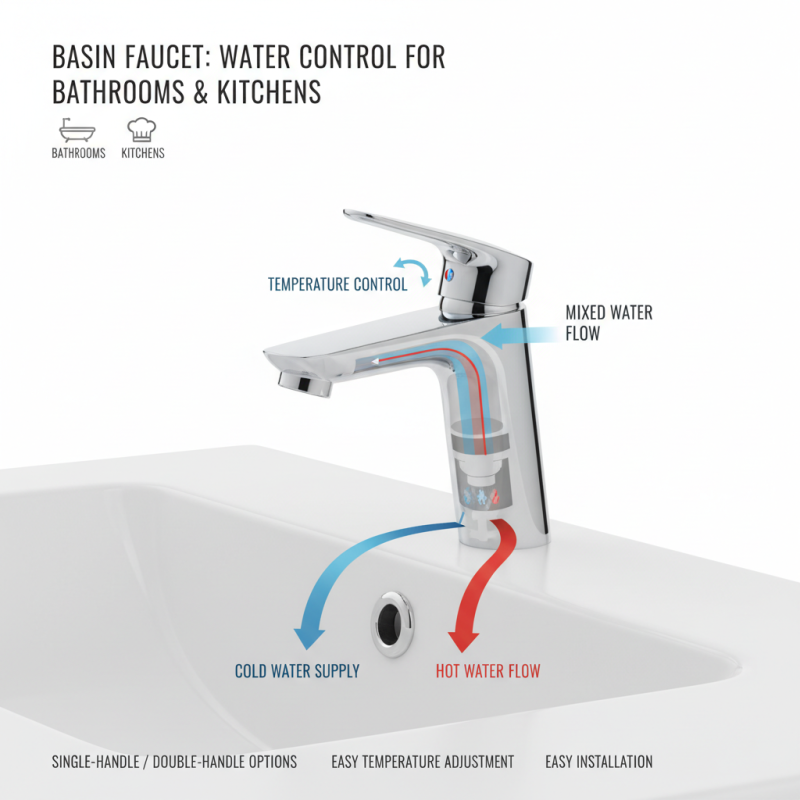
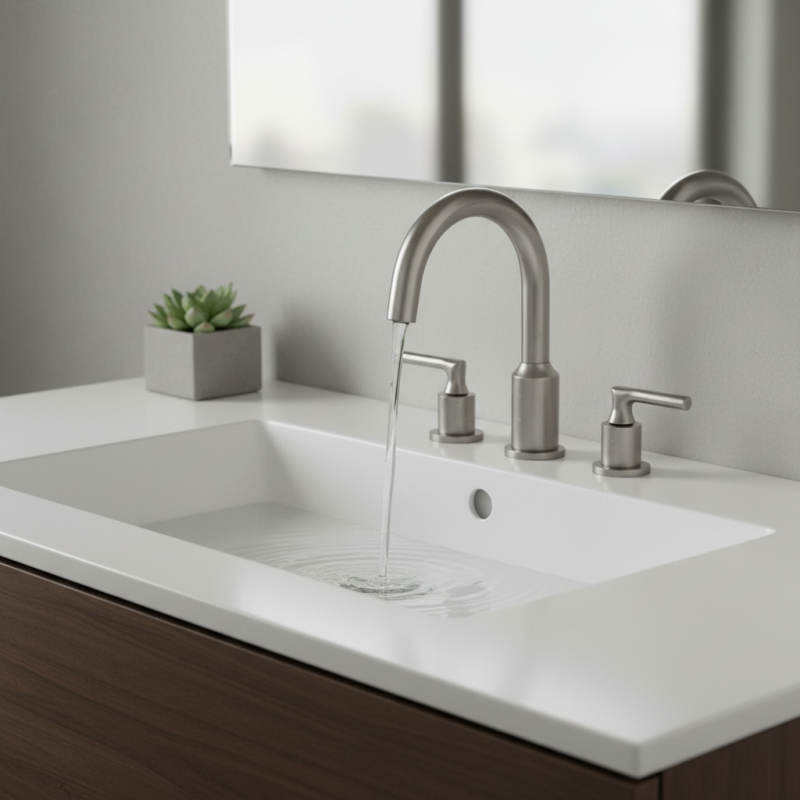
A basin faucet is a common fixture found in bathrooms and kitchens. It is designed to control the flow of water from a sink. This type of faucet can come in various styles, including single-handle and double-handle options. A basin faucet typically connects to both hot and cold water supply lines. The user can easily adjust the temperature with simple movements.
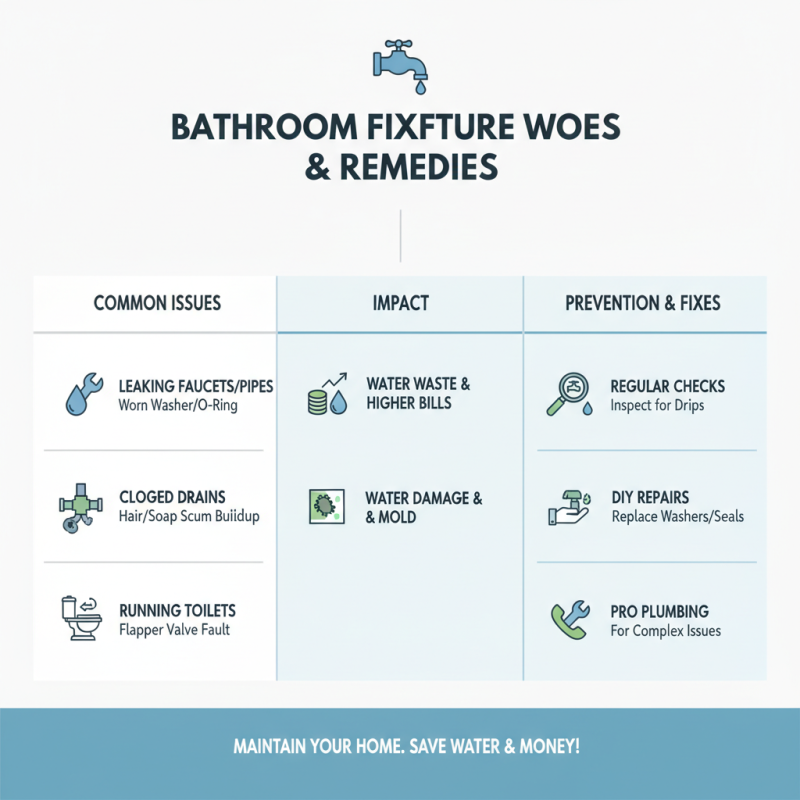
The mechanism inside a basin faucet usually consists of a cartridge or a ball valve. This makes it easy to direct water flow. When you turn the handle, it opens or closes the valve. Sometimes, the faucet may drip or leak, which indicates a need for maintenance. Many people overlook this issue, leading to water wastage.
Cleaning the faucet regularly helps prevent mineral buildup. This is essential for maintaining optimal water flow. However, some may find it easy to neglect this task. Over time, a dirty faucet may affect the overall look of the basin area. A well-maintained basin faucet not only looks good but also functions better.
Components of a Basin Faucet
A basin faucet consists of several key components that work together to deliver water efficiently. This includes the spout, handle, cartridge, and aerator. The spout directs the water flow, while the handle allows users to control temperature and pressure. The cartridge regulates the flow of water and is often the component that requires replacement.
According to industry reports, almost 80% of faucet issues arise from problems with the cartridge. Regular maintenance is essential. Users should be aware that mineral buildup can affect performance. For instance, a clogged aerator can reduce water pressure significantly. It's crucial to clean or replace components when necessary.
Understanding these components is vital for optimal function. A failing faucet can waste over 3,000 gallons of water annually. That's enough to fill a swimming pool! This statistic highlights the importance of being attentive. Even small issues can lead to larger problems down the line, affecting efficiency and increasing water bills. Regular checks can save water and money.
Basin Faucet Components Usage
How Does a Basin Faucet Function?
A basin faucet is a common fixture found in bathrooms and kitchens. Understanding how it functions is essential for anyone looking to maintain or install one. At its core, a basin faucet allows water to flow from the supply lines through the spout. When you turn the handle, it adjusts the water flow and temperature.
Inside a basin faucet, there is a cartridge or a valve that controls the flow of water. By turning the handle, you engage this mechanism to open or close the paths for hot and cold water. Even a small adjustment can significantly change the water temperature. Many people take this for granted until the faucet doesn’t work as expected. A dripping faucet can indicate issues with the cartridge, which may require replacement or repair.
It's easy to overlook the importance of regular maintenance. Sediment buildup can affect performance over time. Cleaning aerators can improve flow efficiency. Ignoring these details may lead to more significant problems. Observing how your basin faucet operates day-to-day can help identify any irregularities early on. Small leaks or strange noises should not be dismissed. In the end, a well-functioning basin faucet enhances daily routines, making them more enjoyable.
Types of Basin Faucets Available
Basin faucets come in various types, each designed for different aesthetics and functionalities. One popular type is the single-handle faucet. It features a lever that controls both the temperature and flow of water. This design is user-friendly and versatile, ideal for anyone seeking efficiency in a compact design.
Another common option is the double-handle faucet. This type has separate hot and cold handles, allowing for more precise temperature control. Some users prefer this style, feeling it provides a greater range of adjustment. However, it can be less convenient during multitasking, such as washing dishes or cleaning.
Wall-mounted faucets are also gaining popularity. These are installed on the wall behind the sink, creating a modern look while saving counter space. However, their installation can be tricky, and position adjustment is limited.
Lastly, pull-down and pull-out faucets offer flexibility and convenience. They usually have a detachable nozzle for easy rinsing, but they may require more maintenance. Each type presents unique benefits, but some might find a particular design does not meet their expectations in real-life use.