Exploring the 2026 Top Bathroom Trends for Modern Homes?
In the ever-evolving world of home design, the bathroom often gets overlooked. Yet, it remains a sanctuary within the modern home. Experts indicate that this year’s trends will shift toward both functionality and style. Renowned bathroom designer, Emily White, emphasizes, “A bath room should be a personal retreat that balances comfort and elegance.”
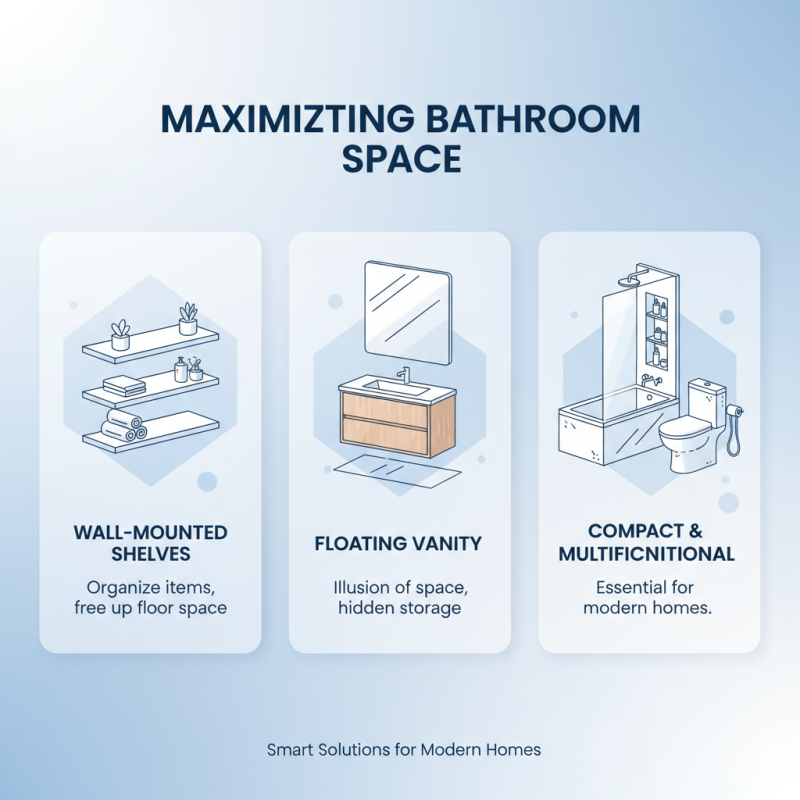
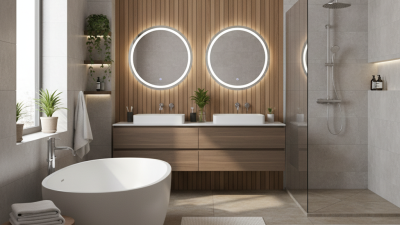
Innovative designs focus on maximizing space, especially in smaller bath rooms. Features such as floating vanities and walk-in showers are gaining popularity. Bold colors and unique tile patterns are emerging as key elements. However, achieving a cohesive look can be challenging, and choices may overwhelm homeowners.
Sustainability is also a focal point. Many are opting for eco-friendly fixtures and materials. This shift addresses both environmental concerns and aesthetic preferences. Despite these trends, it’s important to remember that a stylish bath room often requires careful planning and reflection on personal needs. Balancing trends with practicality is essential for creating a harmonious space.
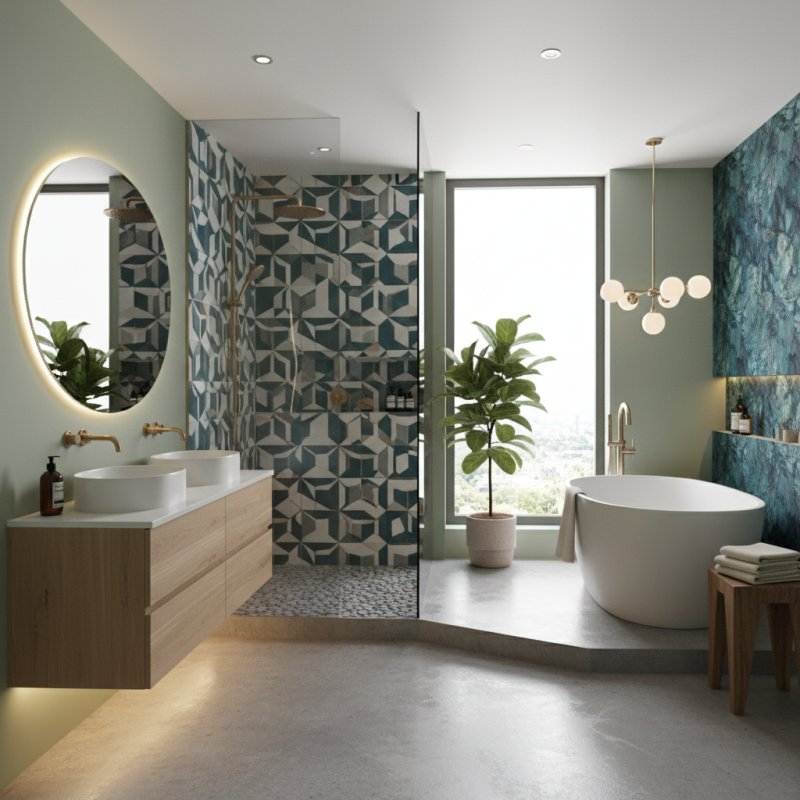
Emerging Color Palettes in 2026: A Shift Towards Earthy Tones
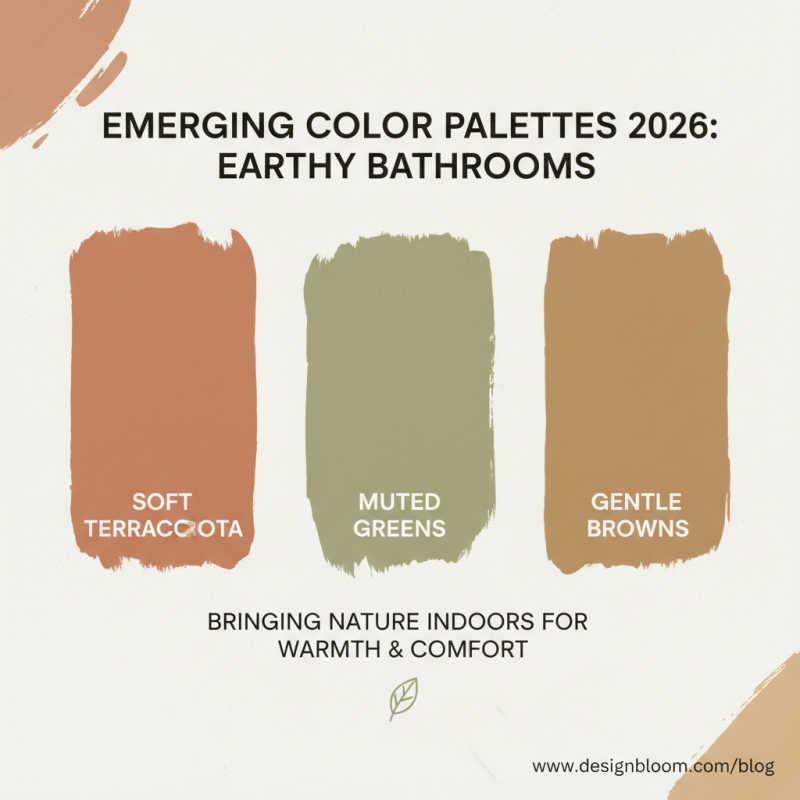
The bathroom trends for 2026 reveal a significant shift towards earthy tones. This palette creates a calming atmosphere. Think of soft terracottas, muted greens, and gentle browns. These colors bring nature indoors. They evoke feelings of warmth and comfort.
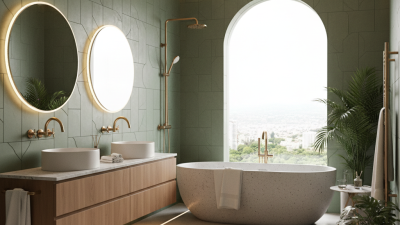
When choosing colors, consider incorporating textures. A matte finish can enhance earthy tones. Pair these colors with natural materials like wood or stone. Simple decor can create a cohesive look. Remember, balance is key. Too many colors can feel overwhelming.
**Tips:** Use accent pieces to add pops of color. A single plant can liven up the space. Experiment with different combinations to find what feels right. Don't hesitate to revisit your choices. Sometimes, what seemed perfect initially may need adjustments. Create an environment that reflects your personality.
Innovative Material Trends: Eco-Friendly Choices for Bathroom Fixtures
The bathroom is evolving into a space of eco-friendliness and innovation. Sustainable materials are leading the charge. Designers are increasingly opting for recycled and repurposed products. These materials minimize waste and reduce carbon footprints. Imagine sinks made from reclaimed wood or tiles derived from recycled glass. The aesthetic blends rustic charm with modern flair.
Water-saving fixtures are also on the rise. Low-flow toilets and showerheads help conserve water without sacrificing performance. They offer an opportunity to cut down on utility bills while making a green statement. Notably, some fixtures use innovative materials that adjust to water temperature. These small tech features enhance comfort and energy efficiency.
However, choices can become overwhelming. It's essential to balance sustainability with durability. Some eco-friendly options may not last as long as traditional materials. This can lead to additional waste over time. Homeowners must carefully consider their choices. Quality should never be compromised for trends. Ultimately, a thoughtful approach can create a beautiful, sustainable bathroom.
Exploring the 2026 Top Bathroom Trends for Modern Homes
| Trend |
Description |
Material |
Eco-Friendly Feature |
Expected Popularity (% Increase) |
| Natural Stone Accents |
Using marble and slate for countertops and walls. |
Marble, Slate |
Sustainably sourced materials |
25% |
| Recycled Glass Fixtures |
Light fixtures and tiles made from recycled glass. |
Recycled Glass |
Conserves resources and reduces waste |
30% |
| Eco-Friendly Plumbing |
Water-saving faucets and showerheads. |
Low-Flow Technology |
Reduces water consumption |
40% |
| Bamboo Elements |
Incorporating bamboo in vanities and shelving. |
Bamboo |
Rapidly renewable resource |
20% |
| Smart Showers |
Showers that adjust to water temperature and usage. |
Digital Controls |
Energy-saving features |
35% |
Smart Technology Integration: The Rise of Automated Bathroom Features
The bathroom of the future is becoming increasingly automated. Smart technology is changing how we interact with one of the most private spaces in our homes. Features like smart mirrors, automated lighting, and voice-activated faucets are becoming common. This integration aims to enhance convenience and efficiency.
Imagine a mirror that adjusts lighting based on the time of day. It can even display important information like weather updates. These features not only add luxury but help create a personalized morning routine. Automated toilets that cleanse and dry enhance hygiene. This technology also saves water by adjusting usage based on your habits.
**Tip:** Consider motion-sensor faucets to reduce water wastage. They turn off automatically when you step away. Another interesting idea is to install a smart shower that remembers your preferred temperature. This tech can help streamline your daily routine. However, it’s important to ensure that these features align with your lifestyle and not complicate it. Relying too much on technology can sometimes lead to confusion or frustration. Find a balance that works for you.
2026 Top Bathroom Trends: Smart Technology Integration
Sustainable Design Practices: Reducing Water Usage and Energy Consumption
Sustainable design practices are becoming essential for modern bathrooms. Reducing water usage and energy consumption is a key focus. Simple changes can make a big difference. Low-flow faucets and showerheads help conserve water without sacrificing performance. These fixtures often look stylish too, adding an appealing touch to your bathroom.
Using energy-efficient lighting is another effective way to save. LED lights are long-lasting and use less power. They come in various styles to fit any bathroom aesthetic. However, it’s important to not overlook the entire lighting design. Sometimes, people mistakenly choose bright lights that can feel harsh. It’s worth exploring softer options for a more relaxing ambiance.
Consider the materials you use in your bathroom renovation. Eco-friendly options such as bamboo or recycled materials are gaining popularity. But remember, sourcing these materials can be challenging. Not all suppliers uphold the same sustainability standards. Therefore, thorough research is essential. Incorporating these practices not only protects the environment but enhances the bathroom's overall appeal, creating a stylish and responsible space.